
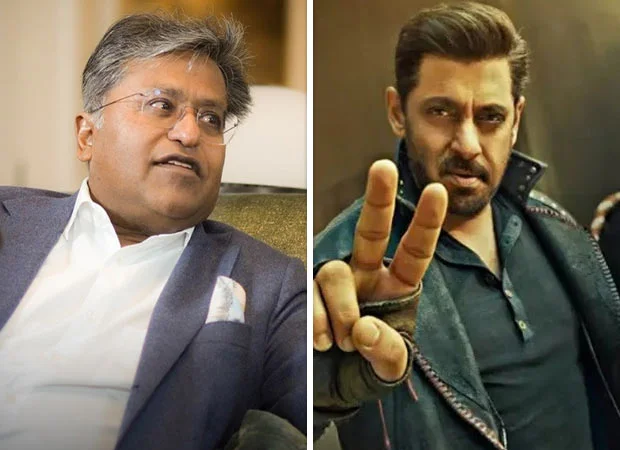

IPL founder and businessman Lalit Modi has firmly denied reports claiming he will enter the Bigg Boss 20 house. Modi called the reports "fake news" and has issued a legal notice to publications and social media accounts that carried the claim.
The clarification came a day after several social media accounts reported his alleged participation in the upcoming season of the Salman Khan-hosted reality show.
Lalit Modi's Strong Denial on Social Media
Taking to X early on Saturday morning, Modi categorically rejected the reports and said he has neither been approached for the show nor intends to participate in it.
"FAKE NEWS. PERIOD. I have NOT been approached for Bigg Boss 20. I am NOT participating in Bigg Boss 20. And I have NO intention of doing so. Amazing how a completely fabricated story can become 'news' without anyone bothering to ask the person concer..." — Hindustan Times
According to NDTV, Modi denied reports of participating in Bigg Boss 20 as fake news and issued a legal notice urging media to verify before publishing.
Legal Notice Issued Over False Reports
Modi's lawyers have issued a legal notice over the false reports. The notice targets publications and social media accounts that spread the claim about his alleged participation in the show.
As reported by Mid-Day, Modi has dismissed reports of his Bigg Boss 20 participation as fake, saying he was never approached. His lawyers have issued a legal notice over the matter.
The story was widely covered across entertainment platforms. According to Bollywood Hungama, reports claiming that IPL founder and businessman Lalit Modi will enter the Bigg Boss 20 house have been denied by Modi, who has also issued a legal notice to publications and social media accounts that carried the claim.
What This Means for Media Accountability
This incident highlights a growing problem in entertainment journalism — the rapid spread of unverified celebrity news. Social media accounts and some publications reported Modi's alleged Bigg Boss 20 participation without confirming the story with him or his representatives.
Modi's response makes his position clear: he has not been approached, he is not participating, and he has no intention of doing so. The legal notice serves as a warning to media outlets to verify facts before publishing.
Our Take: Verification Before Publication is Non-Negotiable
In our view, this case is a textbook example of why fact-checking matters. A completely fabricated story about a public figure gained traction across social media and news platforms without anyone bothering to verify it with the person concerned.
Modi's sharp response — "FAKE NEWS. PERIOD." — is justified. When media outlets and social media accounts spread unverified claims, they damage their own credibility and waste public attention on stories that have no basis in reality.
The legal notice sends a clear message: there are consequences for publishing false information about individuals. For readers, this incident is a reminder to be cautious about celebrity news that appears on social media — if it sounds surprising and hasn't been confirmed by the person involved, it may well be fabricated.
This episode should push entertainment media to adopt stricter verification processes. A quick call or message to the person concerned could have prevented this entire controversy.