
Eight days after catastrophic floods tore through Nepal, families of the missing have started performing symbolic last rites using effigies. They are losing hope of ever finding their loved ones alive.
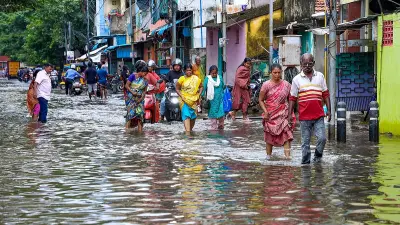
The Bhotekoshi floods of August 26 destroyed homes, roads, and bridges across northern and central Nepal. Entire settlements along the Trishuli riverbanks were devastated, leaving hundreds dead and thousands unaccounted for.
Symbolic Last Rites in Rasuwa's Paharebesi Village
In Paharebesi village of Rasuwa district, families who have received no word about missing relatives for eight days have begun preparing funeral rites. According to Onlinekhabar, the report emerged on Thursday as families accepted the grim reality.
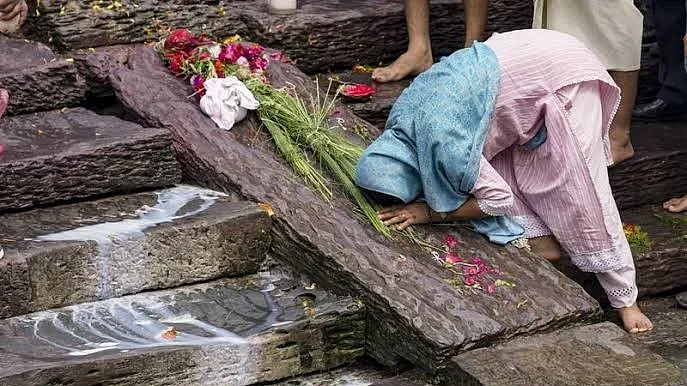
These symbolic ceremonies use effigies to represent the missing. For many families, this is the only way to begin the mourning process when there is no body to bury or cremate.
Mourning Becomes a Struggle for Flood-Hit Families
Even the act of grieving has turned into a battle. Many families have lost their homes in the floods. Finding priests to conduct traditional rituals has become difficult, and suitable places for ceremonies are scarce.
The situation highlights a painful layer of the disaster's toll — survivors cannot even properly honor their dead. The floods did not just take lives and property; they stripped away the means to say goodbye.
"Even the process of mourning has become a struggle. Many families have lost their homes, while priests and suitable places to conduct traditional rituals are difficult to find." — Onlinekhabar
Our Take: The Unseen Wound of Nepal's Floods
To put it plainly, this is one of the cruelest parts of a natural disaster. When a family loses a home, they can rebuild. When they lose a loved one, they can mourn. But when they lose someone and have no body, no closure, and no place to perform final rites — the wound stays open.
The symbolic last rites in Paharebesi are not just tradition. They are an act of survival. These families are finding a way to move forward when the system around them has collapsed. The lack of priests and ritual spaces shows how deeply the floods have disrupted not just infrastructure, but the cultural fabric of these communities.
This story deserves attention beyond the immediate rescue numbers. It reminds us that recovery from a disaster like this is measured in months and years, not days. For the families of the missing, the search may be over — but the grief is just beginning.