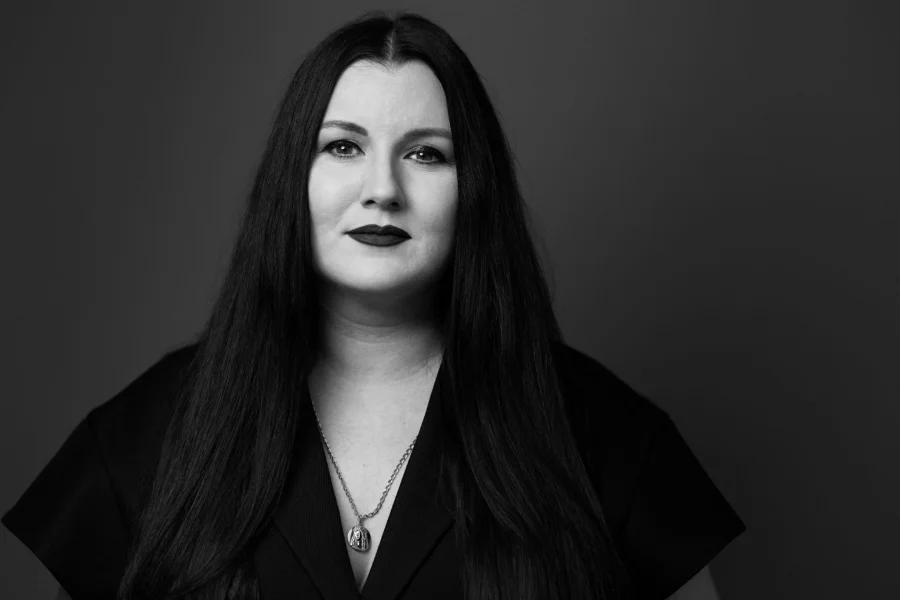

Fidji Simo, the former OpenAI executive who stepped down after a seven-year battle with Postural Orthostatic Tachycardia Syndrome (POTS), is now fighting back. Her startup has collected 3,500 vials of blood so far, and she plans to use artificial intelligence to analyze them and find a cure for the chronic illness that forced her out of one of tech's most powerful roles.
Simo's departure from OpenAI made headlines when she announced she was leaving her position as product and business chief to focus on her health. The news hit close to home for many — POTS is a condition that affects millions, particularly women, and often goes misunderstood.
What is POTS and Why Did It Force Simo Out of OpenAI?
POTS is a chronic condition that affects blood flow and heart rate. When a person stands up, their heart rate spikes abnormally, causing dizziness, fatigue, and sometimes fainting. For Simo, the condition became so severe that she had to step away from her demanding role at OpenAI.
According to CNBC, Simo said she was stepping down to focus on recovery after a "severe exacerbation of a chronic illness." She had already taken a medical leave from OpenAI in April before making the exit official.
Simo joined OpenAI in May of last year, leaving her position as CEO of Instacart to take on the role. Her rapid rise to the top of OpenAI's leadership made her one of the most visible women in AI — which is why her departure sparked so much conversation about invisible illnesses in the workplace.
How AI and 3,500 Vials of Blood Could Cure POTS
Simo's plan is ambitious: use AI to analyze thousands of blood samples from POTS patients to find patterns that doctors have missed. The startup has already collected 3,500 vials of blood, and the data is being fed into machine learning models designed to identify what goes wrong in the bodies of POTS patients.
The idea is that AI can process far more data than human researchers ever could. By comparing blood samples from healthy people and POTS patients, the models may spot biomarkers — subtle chemical signs — that point to the root cause of the disease. If those biomarkers are found, drug developers could target them with treatments.
Simo's openness about her condition has also brought attention to how POTS affects women disproportionately. As noted in a LinkedIn post by Joanna Strober, Simo's step back highlighted how POTS and similar chronic conditions often hit women hardest, yet receive far less research funding than other diseases.
Why This Matters for Millions of POTS Patients
For people living with POTS, Simo's work offers a rare glimmer of hope. The condition is often dismissed by doctors who don't understand it, and patients frequently spend years searching for a proper diagnosis. A cure — or even a treatment that works — would change millions of lives.
The challenges of living with an invisible illness are real. As Newfield Law Group points out, Simo's diagnosis highlights how difficult it is for people with chronic conditions to get the support they need, including disability claims, because their illness isn't visible to others.
Simo's decision to use her platform and resources to tackle POTS directly is a powerful statement. She's not just talking about the problem — she's funding research, collecting data, and applying the same AI tools she helped build at OpenAI to a medical mystery that has stumped scientists for years.
Our Take: This Is More Than a Tech Executive's Promise
To put it plainly, we've seen tech leaders make big promises about AI curing diseases before, and many of those promises never materialize. But Simo's approach is different in one important way: she's not just funding research from afar. She's living with the disease, she's collecting real biological data, and she's putting her own reputation on the line to find answers.
The 3,500 vials of blood are a tangible sign that this isn't just talk. That's real data, from real patients, being processed by real AI models. Whether it leads to a cure remains to be seen — but for the millions of people with POTS, having someone with Simo's resources and determination fighting for them is a meaningful step forward.
The bigger lesson here is about invisible illnesses. Simo's battle with POTS forced her out of a dream job, and her willingness to talk about it openly has already helped normalize a condition that too many people suffer with in silence. Whether or not her startup finds the cure, that alone is a win.