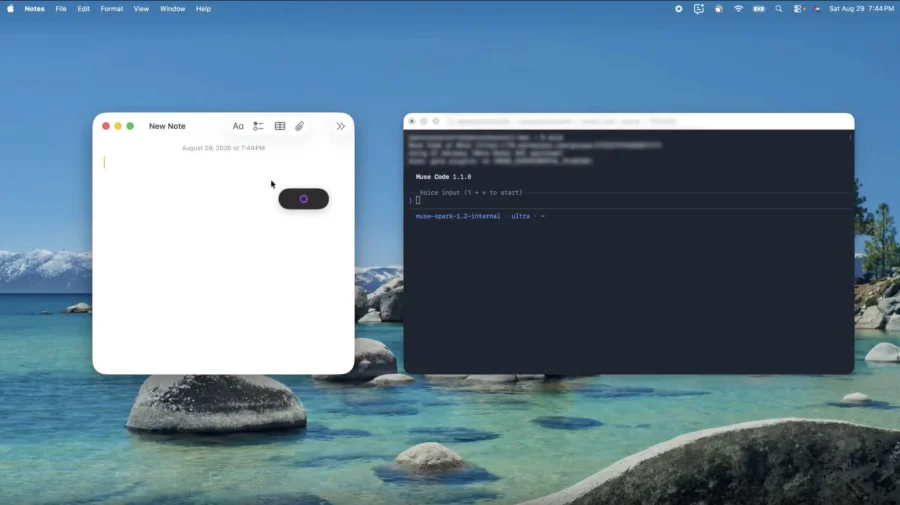

Meta's Superintelligence Lab has released a new AI transcription model that can tell apart different speakers and process multiple languages in real-time. The announcement marks one of the most significant updates to come out of the lab, which focuses on pushing the boundaries of artificial intelligence research.
The model is designed to handle complex audio environments where several people are talking at once — a challenge that has long frustrated developers of voice recognition tools. By distinguishing between speakers, the system can produce cleaner, more accurate transcripts even in crowded rooms, meetings, or group calls.
What Makes This AI Transcription Model Different
Most transcription tools on the market today struggle when more than one person speaks at the same time. They often mix up voices or lose track of who said what. Meta's new model appears to solve this problem by identifying each speaker individually, even as conversations overlap.
The ability to handle multiple languages in real-time is another major feature. This means the model can switch between languages as people speak, without needing to be reset or reconfigured. For global teams, journalists, and content creators, this could remove a major barrier in how audio is processed and understood.
Why Real-Time Speaker and Language Recognition Matters
Real-time transcription is already used in live captioning, meeting notes, and video subtitles. But adding speaker recognition and multi-language support at the same time changes what these tools can do. A single system could now follow a conversation between people speaking different languages, while also keeping track of who said what.
This is especially useful in international business meetings, multilingual conferences, and emergency response situations where clear communication is critical. The technology could also improve accessibility for people who rely on captions or transcripts to follow along with audio content.
Meta Superintelligence Lab's Growing Role in AI
The release comes from Meta Superintelligence Lab, the company's dedicated research unit focused on advanced AI systems. The lab has been working on models that go beyond simple text generation, targeting areas like voice, vision, and real-time processing.
This transcription model is part of that broader push. While the lab has not yet detailed when the model will be available to the public or through which platforms, the announcement signals that Meta is investing heavily in making AI that understands human communication more naturally.
Our Take: A Step Toward Smarter Voice AI
To put it plainly, this is a meaningful step forward. The ability to separate speakers and handle multiple languages in real-time is not just a technical upgrade — it solves a real problem that users face every day. Anyone who has tried to transcribe a group conversation knows how messy the results can be.
That said, the real test will be in how well the model performs outside of controlled conditions. Background noise, heavy accents, and rapid speech are all challenges that can trip up even the best AI systems. We will need to see independent testing before we can fully judge how reliable this model is in everyday use.
Still, the direction is clear. Meta is moving toward AI that does not just hear words, but understands who is speaking and in what language — and that has the potential to change how we interact with voice technology across industries.