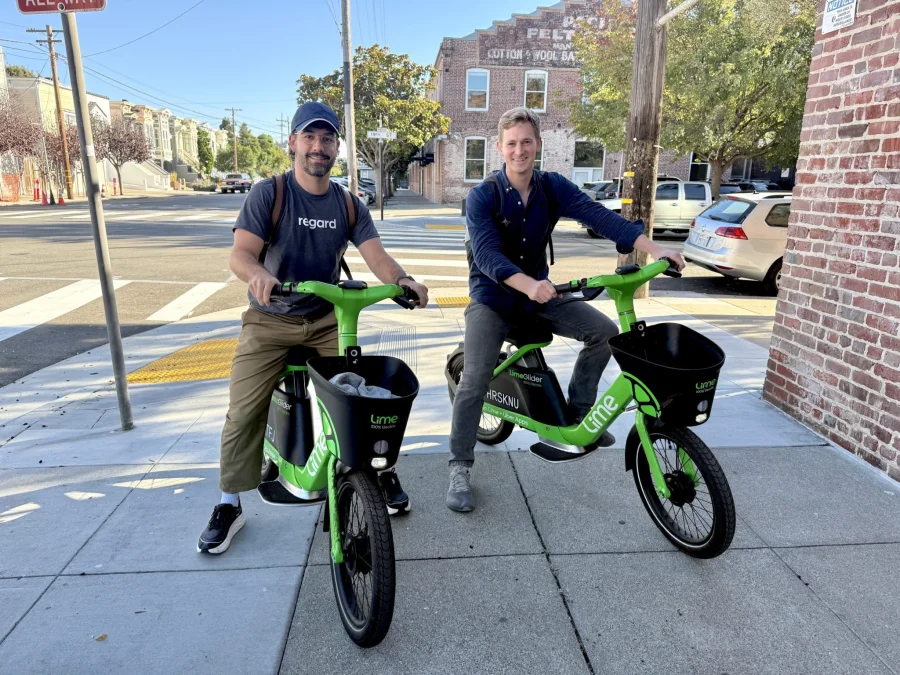

Nate Wilson and Eli Ben-Joseph are the cofounders of Regard, an AI health care company valued at $350 million after its 2024 Series B round. The company has generated more than $150 million in revenue. But before any of that, the two engineers spent 10 months traveling together through China, the Philippines, and Colombia.
The trip was not a business experiment. At the time, both men were engineers trying to figure out what to do with their careers. Wilson had trained as a biomedical engineer and was preparing for medical school. He decided to pursue consulting instead, and later started a data science firm. Ben-Joseph was on a similar path of rethinking his future.
Why the Regard Cofounders Traveled for 10 Months
Wilson and Ben-Joseph did not set out to test whether they could work together. They were simply two people navigating a period of uncertainty about their careers. The trip took them across three countries, and it came with real problems. They got stranded. They lost control of their plans. They had to figure out how to move through unfamiliar places together.
Those experiences forced them to solve problems as a pair, without a script. That is the kind of skill any founding team needs, because startups rarely go according to plan. The cofounders now say the trip shaped how they work together, and they suggest other people should take a similar long trip before starting a business.
What Regard Does and How It Grew
Regard is an AI health care company. Wilson and Ben-Joseph built it after their travels, and it reached a $350 million valuation in 2024. The company has brought in more than $150 million in revenue.
The path from a 10-month trip to a company worth hundreds of millions is not a straight line. Both founders had left behind the idea of becoming doctors. Wilson moved through consulting and then a data science firm. Ben-Joseph was also an engineer rethinking his direction. The trip happened in that in-between period, when neither man had a clear plan.
Our Take: The Trip Was Not the Point — the Partnership Was
In our view, the headline makes the trip sound like a magic formula. It is not. A 10-month journey through China, the Philippines, and Colombia does not automatically produce a $350 million company. What the trip did was put two people in situations where they had to trust each other, adapt, and stay calm when plans fell apart.
To put it plainly, the lesson here is not "go travel and you will get rich." The lesson is that founders need to know how their partner behaves when things go wrong. You can learn that on a long trip. You can also learn it in other hard situations. The trip was just the setting.
What stands out is that Wilson and Ben-Joseph were both engineers who walked away from medicine. They did not have a finished business plan when they left. They figured things out as they went. That is a useful reminder for anyone stuck between two career paths: uncertainty is not always a dead end. Sometimes it is the space where a real partnership forms.
For readers thinking about starting something with a friend or colleague, the takeaway is simple. Before you sign papers together, spend real time together in difficult conditions. See how they handle a missed flight, a lost plan, or a bad day. That tells you more than any resume.