
Summary
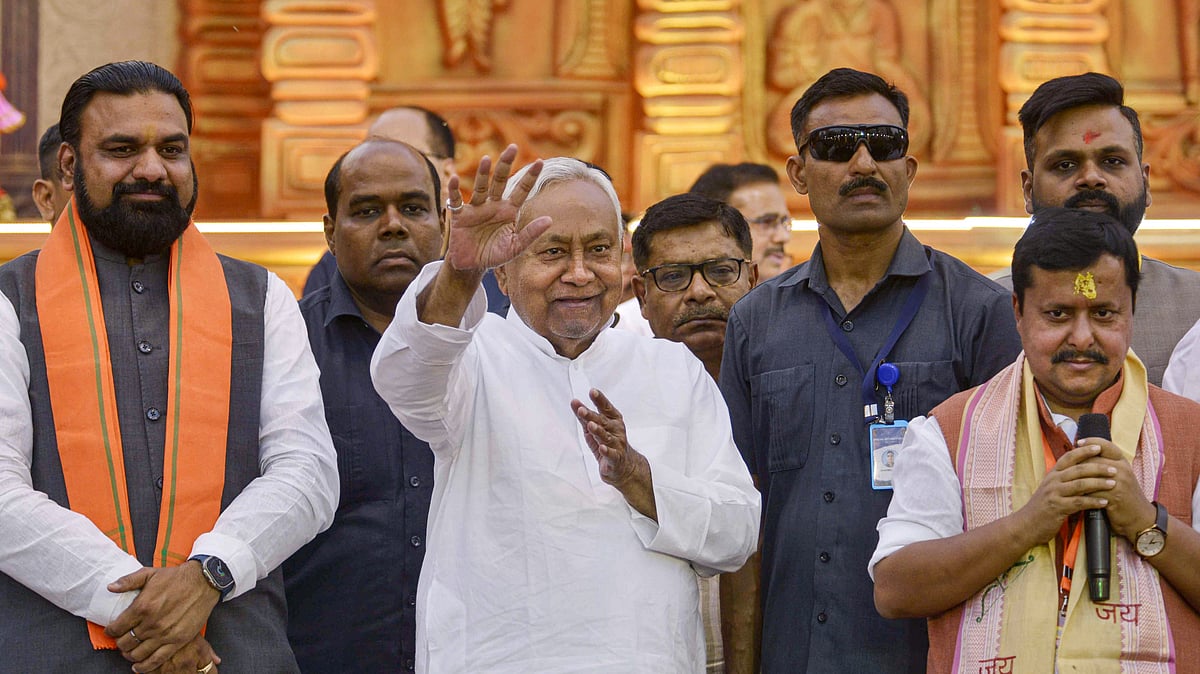
Nitish Kumar, the long-time Chief Minister of Bihar, has officially resigned from his position in the state legislative council. This decision follows his recent election to the Rajya Sabha, which is the upper house of India's Parliament. His departure from the state legislature has caused a wave of emotion among his supporters and sparked sharp criticism from political opponents. This move marks a significant shift in the political environment of Bihar as one of its most prominent leaders moves toward a national role.
Main Impact
The resignation of Nitish Kumar is a major event that changes the balance of power in Bihar’s government. For many years, he has been the central figure in the state's decision-making process. By moving to the Rajya Sabha, he is stepping away from the local legislative body where he has spent decades. This change has led to concerns about who will lead the state’s legislative efforts in the future. It also signals a potential change in how the ruling alliance operates, as the BJP may now take a more prominent role in state affairs.
Key Details
What Happened
On Monday, March 30, 2026, Nitish Kumar formally stepped down from the Bihar Legislative Council. This action was required by law because he was elected to the Rajya Sabha on March 16. According to Indian legal rules, a person cannot serve in a state legislature and the national Parliament at the same time. Along with the Chief Minister, BJP leader Nitin Nabin also resigned from his seat in the Bihar Assembly for the same reason. Both leaders are now preparing to take up their new responsibilities in New Delhi.
Important Numbers and Facts
Nitish Kumar has been a dominant force in Bihar politics since 2005, serving multiple terms as Chief Minister. His resignation is governed by the Representation of the People Act, which prevents dual membership in state and federal houses. The transition happened quickly after the recent round of nominations for the Upper House of Parliament. While he remains a key part of the National Democratic Alliance (NDA), his physical absence from the state house is seen by many as the end of a specific era in local governance.
Background and Context
To understand why this matters, one must look at Nitish Kumar’s long history. He rose to prominence during the political movements of the 1970s and has been a fixture in Bihar’s government for nearly twenty years. He is known for his ability to form different alliances to maintain stability in the state. For a long time, Bihar politics was defined by the rivalry and cooperation between Nitish Kumar and Lalu Prasad Yadav. With Kumar moving to a national position, the era of these two veteran leaders dominating the local assembly is coming to a close.
Public or Industry Reaction
The reaction to the resignation has been divided along party lines. Inside the JD(U) and the BJP, the mood was somber. Some ministers were seen becoming very emotional, with reports of some even crying as their leader left the house. Legislative council chairman Awadhesh Narayan Singh mentioned that the people of Bihar would feel the pain of this departure because Kumar was a leader who tried to include everyone. BJP leaders also praised him for improving the state’s safety and economy over the last two decades.
However, the opposition party, the RJD, had a very different take. Tejashwi Yadav, the Leader of the Opposition, claimed that Nitish Kumar did not leave by choice. He suggested that the BJP forced him to move to the Rajya Sabha to reduce his influence in Bihar. Opposition spokespeople argued that the Chief Minister had been "trapped" by his allies and that his party was losing its independence. They believe this move is a sign that the BJP is trying to take full control of the state government.
What This Means Going Forward
Looking ahead, this move suggests a major reorganization within the ruling NDA alliance. With Nitish Kumar in the Rajya Sabha, he will likely focus on national issues and help his alliance at the federal level. In Bihar, this creates an opportunity for new leaders to step up. However, it also brings risks of instability if the different parties in the alliance cannot agree on a new path. Voters will be watching to see if the government continues its current projects or if the change in leadership leads to a shift in priorities. The next few months will be critical in determining how the state is managed without Kumar’s daily presence in the local legislature.
Final Take
Nitish Kumar’s move to the Rajya Sabha is a historic moment for Bihar. While it is legally necessary due to his new role in Parliament, the political meaning is much deeper. It represents a transition from a long-standing local leadership style to a new, uncertain future. Whether this move strengthens the alliance or creates more tension remains to be seen, but it certainly marks the start of a new chapter for the state.
Frequently Asked Questions
Why did Nitish Kumar resign from the Bihar Legislative Council?
He resigned because he was elected to the Rajya Sabha. Indian law does not allow a person to hold a seat in a state legislature and the national Parliament at the same time.
Is Nitish Kumar still the Chief Minister of Bihar?
Yes, he remains the Chief Minister, but he will now represent the state in the national Parliament rather than through the local legislative council.
What does the opposition say about his resignation?
The opposition, led by the RJD, claims that Nitish Kumar was pressured by the BJP to leave state politics so that the BJP could gain more power in Bihar.