
Energy experts are warning that oil and gas supplies will not return to normal quickly, even after a peace deal was announced to end the Iran war and reopen the Strait of Hormuz. According to these experts, it will likely take months before energy companies can resume operations to meet the world's demand.
Why Oil and Gas Supply Recovery Will Take Months
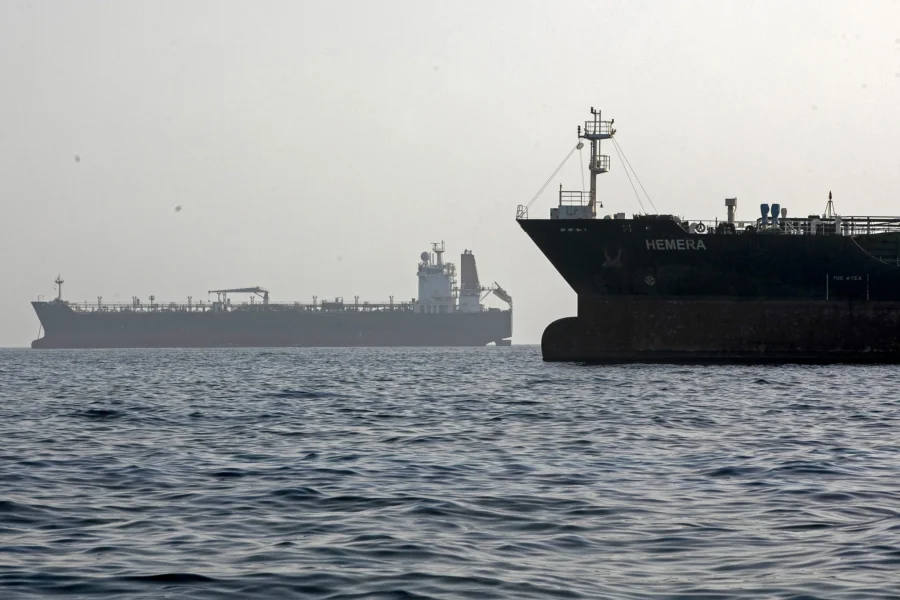
The main reason for the delay is the slow process of shipping and refining crude oil. Ships loaded with crude oil have been stranded in the Persian Gulf for more than three months, unable to safely travel through the Strait of Hormuz. Before the war began, about a fifth of the world's oil and gasoline supplies typically traveled through this waterway.
According to DW, experts warn that reopening the Strait of Hormuz and repairing infrastructure could take months or even years.
Security Concerns and Infrastructure Damage
Doubts about the security of traveling through the strait also mean the effect of the peace deal won't be seen immediately. The infrastructure needed to move oil and gas has been damaged during the conflict, and fixing it will take time.
As the original story notes, "It's going to take..." a significant amount of time before the supply chain is fully operational again.
Our Take: A Slow Return to Normal for Energy Markets
In our view, this news is a sobering reality check for anyone hoping that a peace deal would immediately lower gas prices and solve energy shortages. The global energy system is not like a light switch that can be turned on and off. The months-long backlog of ships, damaged infrastructure, and lingering security fears mean that consumers should not expect quick relief. While the peace deal is a positive step, the hard work of rebuilding and restoring trust in the supply chain is just beginning. The key takeaway for readers is simple: patience will be required, and the effects of the war on energy supplies will be felt for some time to come.