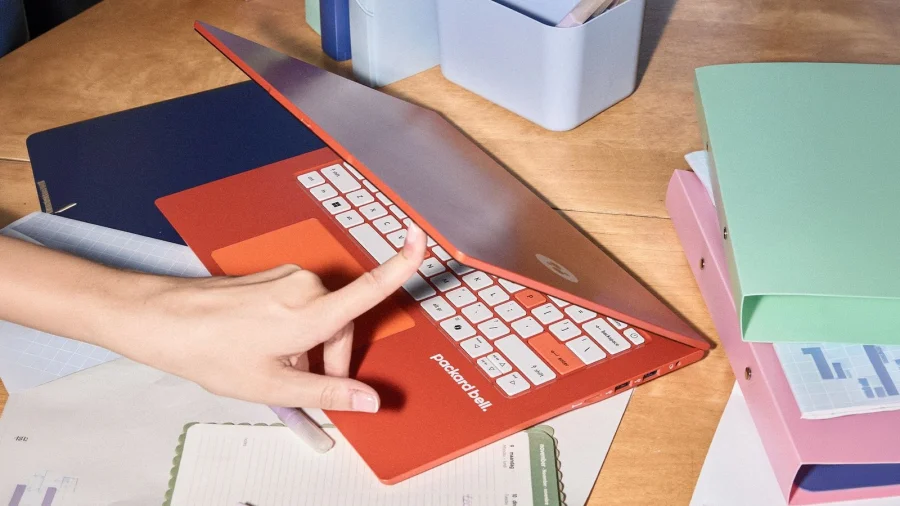

Packard Bell is coming back. If that name sends you straight back to beige desktop towers, chunky CRT monitors, floppy disks and the screech of a dial-up modem, you are exactly the person Acer is thinking of. The company behind the revival is Acer, and it has a surprise for anyone who remembers the brand from its glory days.
What the Packard Bell Comeback Actually Means
The original story makes one thing clear: this is a revival of a name that carries a lot of memories for a certain generation of computer users. Packard Bell was the brand sitting in many homes during the era of beige boxes and slow internet. Acer now owns that name and is bringing it back into the conversation.
But the headline itself warns readers upfront — there is a catch. The revival is not a simple return of the old company. It is Acer using the Packard Bell name, which means the brand's future is tied to Acer's decisions, not to the original Packard Bell operation that people remember.
Why the Catch Matters for Buyers
The catch is the part readers need to pay attention to. A revived brand name does not automatically mean the same products, the same team, or the same experience that made the name famous. When a company like Acer brings back a legacy label, what buyers actually get depends entirely on how that label is used.
For anyone feeling nostalgic about Packard Bell, the key point is simple: the name is back, but the brand you remember is not the same thing as the brand you will be able to buy. That gap between memory and reality is the catch.
Our Take: Nostalgia Is Not a Product
In our view, this is a classic case of a company reaching for nostalgia because nostalgia sells. Packard Bell means something emotional to people who grew up with those beige towers and CRT monitors. Acer knows that. Reviving the name costs far less than building a new brand from scratch, and it comes with decades of built-in recognition.
But here is the honest part. A name is not a product. A logo is not a promise. If Acer simply slaps Packard Bell on hardware that has nothing to do with what made the original brand what it was, the comeback will feel hollow to the very people it is aimed at. The catch exists because the revival is about the label, not necessarily about the legacy.
To put it plainly — readers should treat this as a branding move first and a product story second. If you loved Packard Bell, that feeling is real. Just do not let it make your buying decision for you. Wait to see what Acer actually puts on the shelf before you let the nostalgia do the shopping.
The name is back. Whether the brand is truly back is a different question, and that is the catch worth watching.