
Parvez Parwaz, a 72-year-old journalist-activist from Gorakhpur, died in prison. His death puts a long-running legal and political story back in the public eye — and it is a story that is likely to trouble Uttar Pradesh Chief Minister Yogi Adityanath in the coming election season.
Parwaz was the man who filed a criminal case for hate speech against Adityanath in 2007, when Adityanath was still a Member of Parliament.
The 2007 Hate Speech Case Against Yogi Adityanath
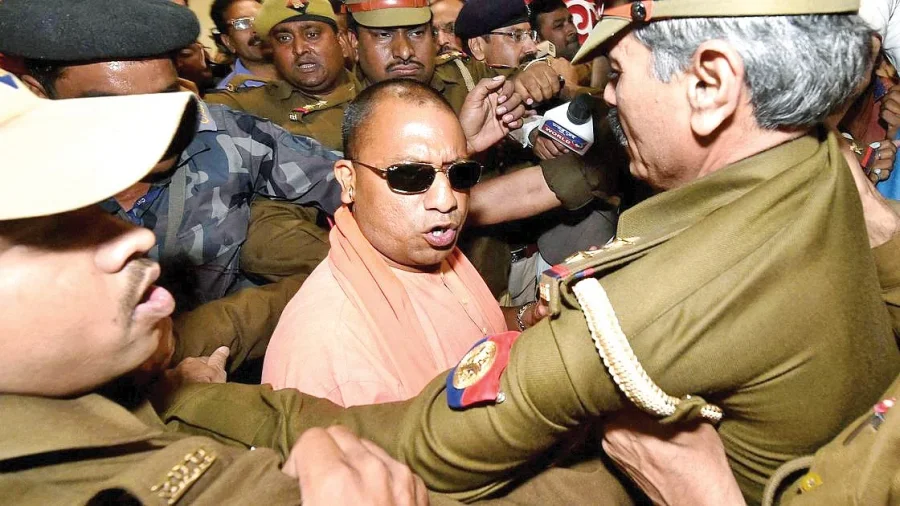
The case was not a small matter. Adityanath was arrested in connection with it and spent 11 days in jail. After his release on bail, he cried in Parliament while narrating what he described as his "plight."
That moment became part of Adityanath's political story. But the case itself never reached a conclusion. It remained undecided for years.
How the Case Was Withdrawn After 2017
In 2017, Adityanath became chief minister of Uttar Pradesh. One of his first acts in office was to withdraw all cases that were pending against him — including the hate speech case filed by Parwaz.
What stands out is that the move went unchallenged by opposition parties at the time. Parwaz did try to fight it. He challenged the decision in court, but the Allahabad High Court dismissed his plea. He then went to the Supreme Court, which also dismissed his plea.
The matter took a vicious turn when Parwaz and others faced further action — the details of which are part of the wider case history.
Why Parvez Parwaz's Death Matters Now
The timing of his death is politically significant. It comes ahead of an election season in Uttar Pradesh, and it revives questions about the 2007 case, the withdrawal of cases against the chief minister, and how the courts handled Parwaz's challenge.
For voters, the story raises a simple question: should a criminal case against a sitting chief minister be allowed to simply disappear because he came to power? The withdrawal was legal, and the courts upheld it. But the fact that it happened at all — and that no major opposition party challenged it — is a point worth remembering.
Our Take: A Case That Never Got Its Answer
In our view, this is not just about one activist's death. It is about what happens when a case against a powerful politician is withdrawn after he takes office. The law allowed it. The courts accepted it. But the original question — whether the 2007 hate speech case had merit — was never actually answered.
To put it plainly, Parwaz spent years pursuing a case that ended not with a verdict but with a withdrawal. He challenged that withdrawal and lost in two courts. Now he has died in prison, and the case he filed will likely be discussed more in the coming election season than it was in the courts.
For readers, the takeaway is this: watch how political parties respond to his death. The silence of the opposition in 2017, when the cases were withdrawn, is part of this story too. Whether that silence continues now will tell you a lot about what this election is really about.