

The Philippines needs "more energy of all sorts" to fix its energy crisis — not just renewable power — according to the CEO of one of the country's biggest infrastructure firms.
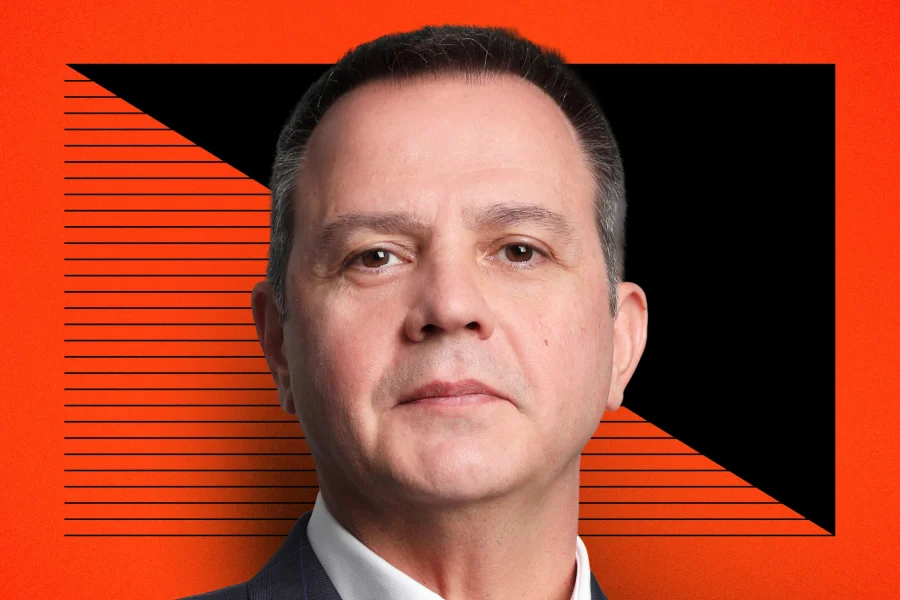
Guillaume Lucci, CEO of Prime Infra, told Fortune that the country's path to energy security requires a mix of power sources. His comments come after the Philippines declared a nationwide energy emergency.
Why the Philippines is in an energy crisis
The crisis traces back to the U.S.-Iran war, which shut down the Strait of Hormuz and stopped oil flows from the Gulf. The Philippines was among the hardest-hit countries because it imports 98% of its oil from that region.
According to Fortune, the country declared a nationwide energy emergency on March 24 in response to the supply disruption.
Prime Infra CEO: Renewables alone won't solve the problem
Lucci made his position clear in the interview at Prime Infra's headquarters in Pasay City, Manila.
"What we need is more energy of all sorts, not only more renewable energy. We don't see energy reliability and affordability as being decoupled from decarbonization, but for now, we need a bit of everything." — Guillaume Lucci, CEO of Prime Infra, speaking to Fortune
His point is simple: the Philippines cannot rely on renewables alone to keep the lights on. The country needs a balanced approach that includes traditional power sources alongside clean energy.
What "power of all sorts" means for the Philippines
Lucci's statement reflects a growing reality for developing economies. When a country depends on imported fuel and faces sudden supply shocks, it needs every available option to maintain stable power.
According to CNBC, Lucci has previously described the challenge of balancing power affordability with the energy transition as a "tremendous challenge." He has also said the private sector has a huge role to play in infrastructure development in the Philippines.
Prime Infra is already working on large-scale energy projects. According to AmCham Philippines, the company aims to build about 18,000 megawatts of renewable energy capacity.
Our Take: Energy security needs pragmatism, not ideology
Lucci is right to push back against the idea that renewables alone can solve the Philippines' energy problems. The country's near-total dependence on Gulf oil made it extremely vulnerable when the Strait of Hormuz shut down. That vulnerability will not disappear just because the emergency was declared.
To put it plainly: a country cannot decarbonize if it cannot keep its economy running. The Philippines needs a practical mix — renewables where they work, traditional power where they don't, and everything in between. Lucci's "bit of everything" approach is not a rejection of climate goals. It is a recognition that energy security comes first.
The real lesson for other countries is this: energy independence matters. The Philippines' crisis shows what happens when a nation relies too heavily on one region for fuel. Diversifying both sources and types of power is not just good policy — it is survival.
For Filipino consumers, this means electricity prices and supply will remain uncertain until the country builds a more balanced energy portfolio. That will take time, investment, and political will. But as Lucci suggests, there is no shortcut — the country needs all the power it can get.