

RayNeo is taking a split approach with its latest AR smart glasses. The company is launching glasses that go in two very different directions — one set for people who want something subtle, and another for those who want the full tech experience.
According to Engadget, RayNeo's latest AR smart glasses are "going for very different audiences: The very discrete, and the very nerdy." This means the company is not trying to make one pair of glasses that does everything. Instead, it is splitting its lineup to serve two completely different types of users.
Two Design Directions for Different Users
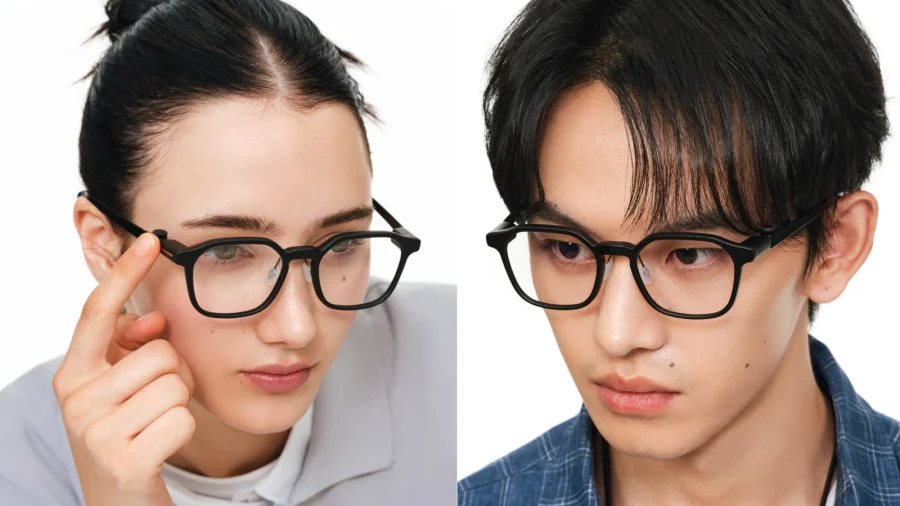
The minimalist side of the lineup is built for people who want AR glasses that look and feel like normal eyewear. These are meant to be discreet — something you can wear without drawing attention. The goal is to blend in rather than stand out.
On the other end, the maximalist approach is for the "very nerdy" crowd — people who want actual full augmented reality glasses with all the features and capabilities that come with them. As noted in the Engadget Facebook post, these are "actual full augmented reality glasses" — sleek and packed with tech.
What This Means for the AR Glasses Market
This dual strategy shows that RayNeo understands a key truth about the smart glasses market: not everyone wants the same thing. Some people want a subtle wearable that gives them a few helpful features without changing how they look. Others want the full AR experience — the kind of device that puts digital information and visuals right in front of their eyes.
By offering both, RayNeo is trying to capture a wider range of customers in a single product release. The company is betting that there is a real market for both minimal and maximal AR glasses, rather than trying to find a middle ground that satisfies no one.
"RayNeo's latest AR smart glasses are going for very different audiences: The very discrete, and the very nerdy." — Engadget
Our Take: A Smart Bet on Two Audiences
In our view, this is a smart move from RayNeo. The smart glasses market has struggled for years because companies tried to make one product that appeals to everyone — and that rarely works. People who want AR glasses for work or gaming have very different needs from people who just want a subtle heads-up display for notifications.
By going both minimalist and maximalist, RayNeo is acknowledging that there is no single "right" way to make AR glasses. The discreet pair will likely appeal to professionals and everyday users who care about style. The maximalist pair will attract developers, gamers, and tech enthusiasts who want the full experience.
The risk is that splitting the lineup could confuse buyers or stretch the company's resources. But if RayNeo executes both designs well, it could set a new standard for how AR glasses are marketed — not as one-size-fits-all gadgets, but as tools for different kinds of people.
For now, the key takeaway is simple: RayNeo is not picking a side. It is betting that both the minimalist and the maximalist have a place in the future of AR glasses. That is a bold approach, and it will be interesting to see if it pays off.