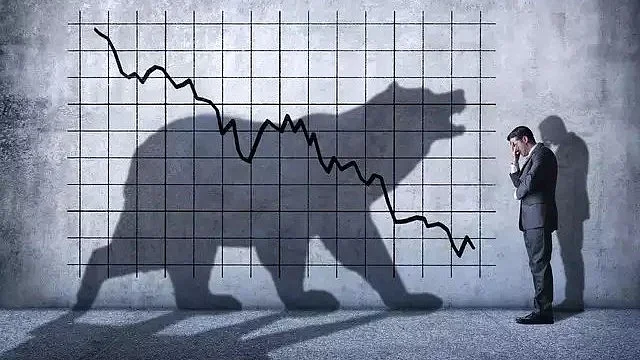

Indian stock markets ended lower for a third session in a row. The Sensex closed at 72,480.29, down 48.78 points or 0.07 per cent. The Nifty ended at 22,620.45, down 95.75 points or 0.42 per cent. Both indices had climbed during the day but gave up those gains in late trading.
The fall was not sharp, but it was steady. Metal and pharma shares saw heavy selling near the close, pulling the indices down from their intraday highs. This is the third straight session where the markets could not hold on to early gains.
Why Sensex and Nifty Kept Falling
Three main factors kept buyers away. First, crude oil prices stayed elevated, which raises concerns about India's import bill and inflation. Second, global bond yields remained high, making safer assets more attractive than equities. Third, foreign institutional investors (FIIs) continued to sell Indian stocks.
FIIs sold Rs 9,980.22 crore worth of shares on Tuesday. When foreign funds pull money out, it puts pressure on share prices across the board. This outflow has been a recurring theme behind the market's weak run.
What Happened During the Trading Session
The day started on a positive note. Both Sensex and Nifty moved up in early trade, suggesting some buying interest. But that momentum did not last.
- Sensex gave up all its intraday gains and closed 48.78 points lower
- Nifty declined 95.75 points, a sharper fall in percentage terms at 0.42 per cent
- Metal and pharma shares faced the heaviest selling pressure in late trade
- Elevated crude prices and global bond yields kept sentiment cautious throughout
The pattern is clear — traders are using every rise to sell. That is typical when the broader mood is uncertain. Nobody wants to hold positions overnight when global cues are weak.
Our Take: What This Means for Investors
To put it plainly, this is not a crash. A 0.07 per cent fall in the Sensex is minor. But the direction matters. Three straight sessions of losses, combined with heavy FII selling, tells you that the market is in a cautious phase.
In our view, the biggest concern is not the point drop — it is the reason behind it. Crude oil prices and global bond yields are outside India's control. When these stay high, foreign money tends to move out of emerging markets like India. The Rs 9,980.22 crore FII sell-off on Tuesday shows this is already happening.
Retail investors should not panic over a 48-point Sensex fall. But they should watch two things closely: crude oil prices and FII activity. If both remain unfavourable, the pressure on Indian equities will continue. The metal and pharma sectors, which led the decline, may stay volatile in the near term.
The market is not falling because of any domestic bad news. It is falling because of global headwinds. That is an important distinction. It means the trend can reverse quickly if crude prices cool down and bond yields ease. Until then, expect more sessions like this one — small losses, late selling, and a market that simply cannot hold its gains.