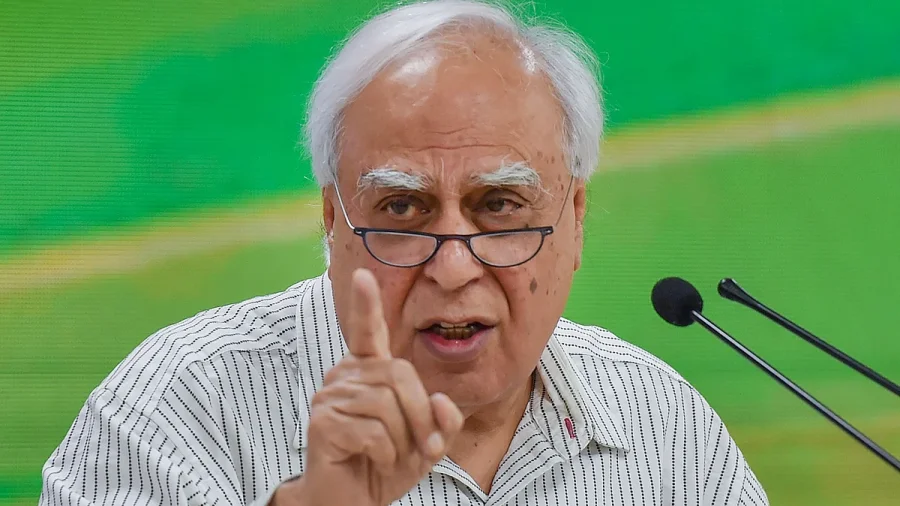

Rajya Sabha MP and senior advocate Kapil Sibal has taken a sharp swipe at Rashtriya Swayamsevak Sangh (RSS) chief Mohan Bhagwat over his recent remarks in the United States about diversity. Sibal accused Bhagwat of speaking "wise words abroad" while maintaining "silence at home."
Sibal's Criticism of Bhagwat's US Remarks on Diversity
The controversy began when Bhagwat, speaking in New York, said that "unity in diversity" is part of Bharat's DNA. He described diversity as "a decoration of our innate unity" that "has to be protected."
Sibal, an Independent Rajya Sabha MP, responded sharply on social media platform X. He wrote: "Bhagwat in New York: 'Diversity is a decoration of our innate unity. It has to be protected'. Wise words abroad, silence at home. Words don't matter, actions must speak!"
"Wise words abroad, silence at home. Words don't matter, actions must speak!" — Kapil Sibal on X
Political Context Behind the Attack on RSS Chief
Sibal's criticism comes amid ongoing tensions between the Congress-led Opposition and the ruling BJP-RSS combine. The Opposition has frequently raised concerns about pluralism, minority rights, and social harmony under the current government.
The timing of Sibal's remarks is notable — they came just a day after Bhagwat's comments in the United States. This suggests a deliberate attempt by the Opposition leader to highlight what he sees as a contradiction between the RSS chief's international statements and domestic realities.
What This Means for the Political Debate
Sibal's attack taps into a broader narrative that the Opposition has been pushing: that the RSS and BJP speak differently to international audiences than they act at home. By directly quoting Bhagwat's words in New York and contrasting them with "silence at home," Sibal is trying to hold the RSS leadership accountable for its public statements.
The choice of platform — a post on X — reflects how political battles are now being fought in real-time on social media. Sibal's concise, punchy phrasing is designed to spread quickly and frame the debate in simple terms.
Our Take: The Power of Words Versus Actions
To put it plainly, Sibal has raised a legitimate point that goes beyond party politics. When a leader speaks eloquently about diversity and unity on foreign soil, people naturally ask: does the same standard apply at home?
This is not just about Bhagwat or the RSS. It is about accountability for public figures. If diversity must be protected — as Bhagwat said in New York — then citizens have every right to ask how that protection is being implemented in practice. Words are easy; actions require commitment.
Sibal's criticism may be politically motivated, but the underlying question is fair. Leaders who speak about values abroad should be prepared to answer for their record at home. That is not an attack — that is democracy working as it should.
The ball is now in Bhagwat's court. If his words in New York were sincere, he has an opportunity to demonstrate that sincerity through concrete actions. Until then, critics like Sibal will continue to point out the gap between rhetoric and reality.