
The Supreme Court on Monday declined to entertain a Public Interest Litigation (PIL) seeking mandatory and uniform disclosure of the exact ethanol content in petrol sold at fuel stations. The court directed the petitioner to approach the appropriate high court for relief instead.
Supreme Court refuses PIL on ethanol disclosure under Article 32
A bench of Justices MM Sundresh and PB Varale said it was not inclined to entertain the petition under Article 32, which allows citizens to directly approach the Supreme Court for enforcement of fundamental rights. The bench asked petitioner Narendra Kumar Goswami, who appeared in person, to raise his concerns before the jurisdictional high court.
The decision means the Supreme Court has chosen not to take up the matter directly, effectively sending the petitioner back to the high court route for any potential relief.
Petitioner sought ethanol display at fuel pumps
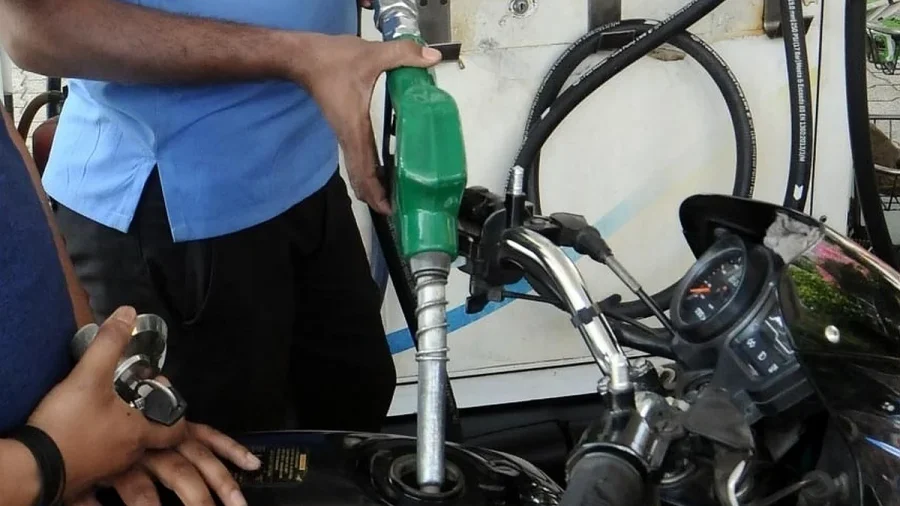
Goswami's petition sought directions to the Centre and other authorities to ensure that every petrol dispensing nozzle prominently displays the percentage of ethanol blended in the fuel. The demand was aimed at bringing transparency for consumers at fuel stations across the country.
The petition argued for a uniform standard so that buyers would know exactly what they are purchasing when they fill up their vehicles.
Our Take: A procedural setback, not a rejection of the cause
In our view, this ruling is about procedure rather than the merits of the case. The Supreme Court did not say the demand for ethanol disclosure is wrong — it simply said the petitioner should first go to the high court. That is a standard practice when the Supreme Court believes a matter can be handled at the state level.
For consumers, this means the fight for clearer fuel labelling is not over. It has just been redirected. The petitioner can still pursue the same demand before the high court, and if needed, return to the Supreme Court later. The key question — whether fuel stations should be forced to display ethanol content — remains open for now.
To put it plainly, this is a delay, not a defeat. Anyone concerned about fuel transparency should watch for the next move in the high court.