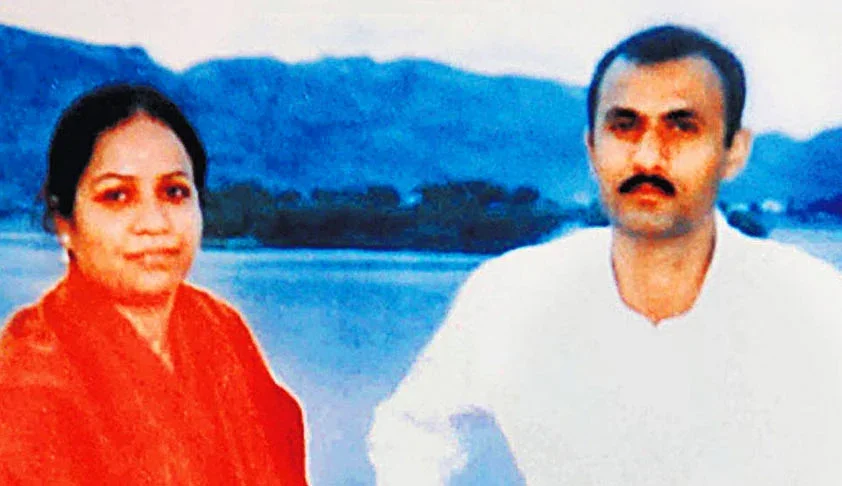

The Supreme Court has agreed to examine a plea that challenges the Bombay High Court's decision to uphold the acquittal of all 22 accused in the Sohrabuddin Shaikh encounter case. The case relates to the alleged fake encounter killings of gangster Sohrabuddin Shaikh, his wife Kausar Bi and his aide Tulsiram Prajapati.
The Supreme Court issued notice on the plea, which challenges the Bombay High Court's 7 May decision. A bench of the Supreme Court flagged a key concern in the case — that 92 of the 210 prosecution witnesses turned hostile during the trial. The bench said it will examine selected witness statements as part of its review.
Sohrabuddin Encounter Case: What the Supreme Court Will Examine
The Supreme Court's decision to issue notice means the plea challenging the acquittal will now be heard on merits. The bench has specifically noted the high number of hostile witnesses — 92 out of 210 — as a factor that needs closer examination.
The case originally involved 38 accused. Among those originally named were then Gujarat home minister Amit Shah, former Rajasthan home minister Gulab Chand Kataria, and senior police officers D.G. Vanzara, Rajkumar Pandiyan and Dinesh M.N.
The Bombay High Court's 7 May decision upheld the acquittal of all 22 accused who stood trial. The Supreme Court will now look at whether that decision was correct, particularly in light of the witness statements it plans to review.
Why the Hostile Witnesses Matter in This Case
The fact that 92 of 210 prosecution witnesses turned hostile is central to the Supreme Court's review. When witnesses turn hostile, it means they resile from their earlier statements made to investigators. This often weakens the prosecution's case and can lead to acquittals.
The Supreme Court bench has said it will examine selected witness statements. This suggests the court wants to understand whether the hostility of witnesses was genuine or whether there were other reasons behind it.
- The Supreme Court issued notice on the plea challenging the Bombay High Court's 7 May decision
- The High Court had upheld the acquittal of all 22 accused
- The case involves the alleged killings of Sohrabuddin Shaikh, Kausar Bi and Tulsiram Prajapati
- Originally, 38 accused were named in the case
- 92 of 210 prosecution witnesses turned hostile during trial
- The Supreme Court will examine selected witness statements
Our Take: Why This Supreme Court Review Matters
In our view, the Supreme Court's decision to examine this plea is significant for two reasons. First, it keeps the legal challenge to the acquittal alive — the case is not over yet. Second, the bench's specific focus on the 92 hostile witnesses shows the court wants to dig deeper into why the trial unfolded the way it did.
To put it plainly, this is not just about the 22 accused who were acquitted. It is about whether the trial process itself was fair and whether the evidence was properly examined. When such a large number of witnesses turn hostile, it raises questions that go beyond the individual accused.
For readers, the key takeaway is that the Supreme Court has not yet made a final decision. It has only agreed to examine the plea. The next step will be the actual hearing, where the bench will look at the selected witness statements and decide whether the Bombay High Court's decision to uphold the acquittal should stand or be set aside.
We believe this case deserves close attention because it involves serious allegations and a complex legal history. The Supreme Court's review will be important in determining whether the acquittal was correct or whether there were gaps in the judicial process that need to be addressed.