
Summary
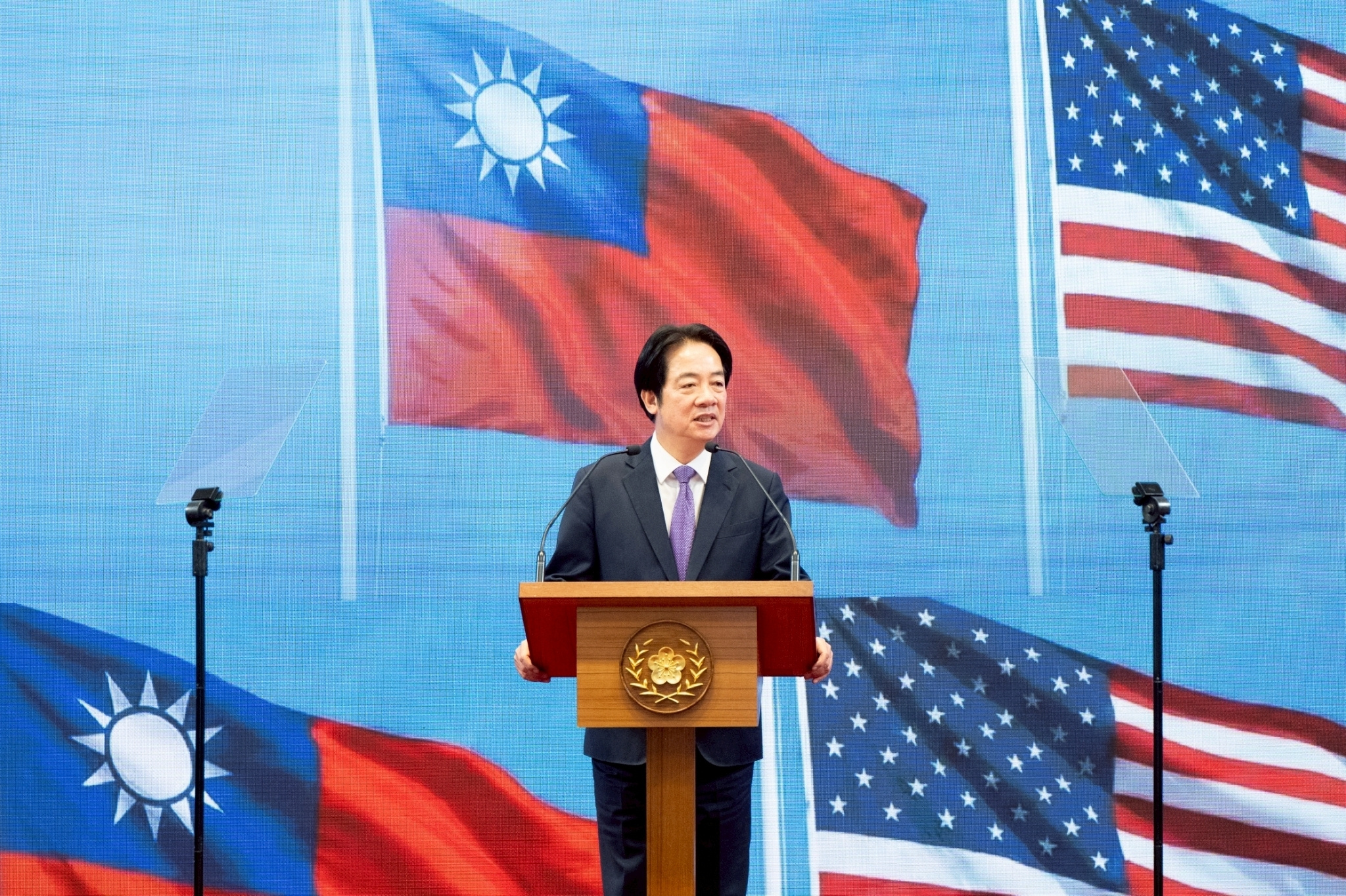
Taiwan’s President Lai Ching-te recently spoke out about the importance of weapons deals with the United States. He stated that these arms sales are the most important way to prevent war and keep the region stable. His comments follow a statement from Donald Trump, who suggested that selling weapons to Taiwan could be used as a tool for bargaining with China. President Lai thanked the U.S. for its past support but made it clear that Taiwan’s safety and democracy are not things that can be traded away.
Main Impact
The relationship between the United States, Taiwan, and China is currently in a very sensitive state. When a leader suggests that military support is a "bargaining chip," it creates worry about the future of regional safety. For Taiwan, these weapons are not just items for sale; they are the tools they need to protect their way of life. If the U.S. changes how it handles these sales, it could change the balance of power in Asia and lead to more tension with China.
This situation also affects how other countries look at U.S. promises. Many nations rely on the U.S. for protection. If they see that military support can be paused or used for trade deals, they might start to doubt their own security agreements. This makes the current discussion about Taiwan much more than just a local issue; it is a global concern about how the U.S. stands by its partners.
Key Details
What Happened
President Lai Ching-te issued a formal statement on Sunday to address recent comments made by Donald Trump. During a television interview, Trump mentioned that he had not yet approved a new $14 billion weapons package for Taiwan. He said that the decision "depends on China" and called the deal a "negotiating chip." This caused immediate concern in Taiwan, leading President Lai to remind the world that these sales are based on legal agreements and the need for peace.
Lai emphasized that Taiwan does not want to start a fight or make things worse. However, he also said that the island would not give up its freedom or its right to rule itself just because of pressure from outside. He pointed to China as the main reason for the lack of peace in the area, accusing them of trying to change the current situation by force.
Important Numbers and Facts
There are several key figures and dates that help explain this situation:
- $11 Billion: The value of a record-breaking arms package that Trump approved for Taiwan in December. This included drones, missiles, and military software.
- $14 Billion: The value of the new, pending arms package that is currently being discussed.
- 1949: The year China and Taiwan began to be governed separately after a civil war.
- U.S. Law: Under the Taiwan Relations Act, the United States is legally required to provide Taiwan with the tools it needs to defend itself.
Background and Context
To understand why this matters, it helps to know the history. China claims that Taiwan is part of its territory, even though the two have had separate governments for over 75 years. China has often said it might use force to take control of the island if necessary. Taiwan, on the other hand, has grown into a strong democracy with its own leaders and laws.
The United States does not have official diplomatic ties with Taiwan because it recognizes the government in Beijing. However, the U.S. has remained Taiwan’s most important friend and its main source of military equipment. This creates a difficult balancing act. The U.S. wants to keep a good relationship with China for trade, but it also wants to make sure Taiwan stays safe and free.
Public or Industry Reaction
The reaction to these events has been mixed. U.S. House Speaker Mike Johnson supported President Lai’s comments. He stated that China cannot simply take over land and that the U.S. Congress will continue to stand strong with Taiwan. This shows that many people in the U.S. government still believe in providing military aid regardless of trade talks.
On the other side, U.S. Trade Representative Jamieson Greer noted that the president must weigh many factors before making a final decision. He mentioned that national security needs come first, but also acknowledged that past presidents have sometimes paused sales for various reasons. Meanwhile, Chinese leader Xi Jinping has warned that if the Taiwan issue is not handled correctly, it could lead to serious "clashes and conflicts" between the U.S. and China.
What This Means Going Forward
The next few months will be critical for the $14 billion arms deal. If the U.S. moves forward with the sale, it will likely anger China and could lead to new trade restrictions or military drills near the island. If the U.S. delays the sale to use it as a bargaining tool, it might make Taiwan feel less safe and could encourage China to be more aggressive.
Leaders in the region will be watching closely to see if the U.S. maintains its long-standing policy or if it shifts toward a more transactional approach. For now, Taiwan is focused on strengthening its own defenses while trying to keep its relationship with Washington as steady as possible.
Final Take
The debate over arms sales to Taiwan is about much more than money or trade deals. It is about the survival of a democracy and the stability of a major part of the world. While using these deals as a "chip" in negotiations might seem like a smart business move, the human and political costs of a conflict in the region would be far higher than any trade benefit.
Frequently Asked Questions
Why does Taiwan need weapons from the United States?
Taiwan needs these weapons to defend itself because China claims the island is its own and has not ruled out using military force to take control. The weapons act as a way to prevent China from attacking.
What did Donald Trump say about the arms sales?
Trump suggested that the sale of weapons to Taiwan could be used as a "bargaining chip" or a "negotiating chip" in talks with China, rather than just being a standard security agreement.
Is the U.S. legally required to help Taiwan?
Yes, under a U.S. law passed in 1979, the United States is committed to providing Taiwan with defensive weapons and views any threat to the island as a matter of serious concern.