
The Tamil Nadu government has announced it will withdraw criminal cases registered against farmers and teachers who took part in peaceful protests. The decision covers protests held between May 2021 and April 2026 over livelihood, employment and other rights-based demands.
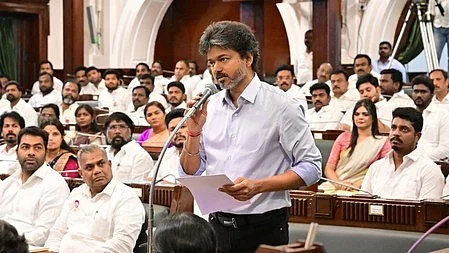
Chief Minister C. Joseph Vijay made the announcement in the Legislative Assembly under Rule 110. He described the move as a step towards safeguarding democratic rights and restoring trust between citizens and the government.
Which protests are covered under the withdrawal decision
The decision specifically covers cases filed against farmers who protested against the proposed State Industries Promotion Corporation of Tamil Nadu (SIPCOT) industrial estate in Tiruvannamalai district. The withdrawal also applies to proceedings initiated during the prolonged agitation against the proposed greenfield airport at Parandur in Kancheepuram district.
Teachers who participated in peaceful protests over their demands are also included in this decision. The government's announcement signals a broader approach to handling cases that arose from demonstrations focused on rights-based issues.
What this means for those involved
For farmers and teachers who faced criminal cases, this decision removes a legal burden that had been hanging over them. The withdrawal applies to cases connected to peaceful protests, which suggests the government is drawing a distinction between peaceful demonstrations and other forms of agitation.
The announcement comes as part of the government's stated effort to rebuild confidence between citizens and state institutions. By withdrawing these cases, the administration is acknowledging that participating in peaceful protest over livelihood concerns should not lead to long-term criminal consequences.
Our Take: A meaningful step for democratic rights
In our view, this decision carries real significance for democratic participation in Tamil Nadu. When citizens protest peacefully over issues like employment and livelihood, they are exercising fundamental rights. Criminal cases arising from such protests can discourage people from raising legitimate concerns in the future.
The government's framing of this as a trust-building measure is important. It recognises that peaceful protest is not a threat to governance but a normal part of democratic life. Farmers who opposed industrial projects and teachers who pressed for their demands were not acting against the state — they were engaging with it.
That said, the proof of this commitment will be in the implementation. The announcement must now translate into actual withdrawal of cases on the ground. If done properly, this sets a positive precedent for how governments handle dissent and peaceful protest across the country.
For the farmers of Tiruvannamalai and Kancheepuram, and for teachers across the state, this decision brings relief. It also sends a clear message — peaceful protest over genuine grievances will not be treated as a crime.