

That tap-to-pay donation you make on the street could cost you far more than you intended. Scammers are now hijacking the convenience of contactless payments to turn a simple $20 gift into a $2,000 charge — and many donors don't realize it until it's too late.
How the Tap-to-Pay Donation Scam Works
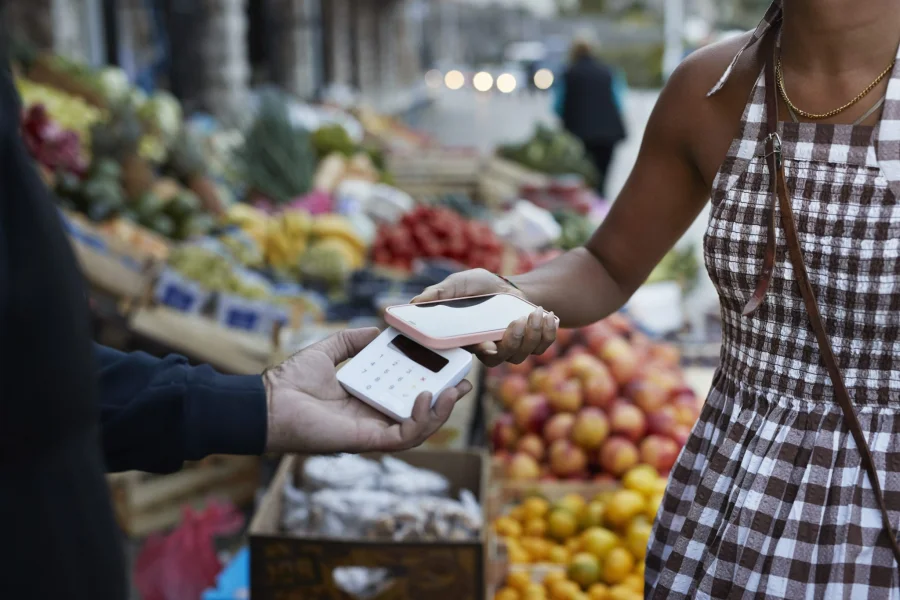
The scam preys on a familiar situation: someone approaches you on the street asking for a donation to a cause you've likely never heard of. Whether you give out of guilt or genuine generosity, you pull out your card or phone to tap and pay. That's when the trouble begins.
According to Fortune, scammers are taking advantage of the newer tap-to-pay model. Instead of processing the $20 you agreed to donate, they change the transaction to $2,000 without you noticing. The speed and convenience of tap-to-pay works against you — there's no time to double-check the amount before the payment goes through.
Who Is Behind This Growing Threat
This warning comes from Kurt Knutsson, the tech expert behind CyberGuy Report. He highlights that a growing number of scammers are posing as nonprofits or charities to collect money from unsuspecting donors. The fake charity approach makes people let their guard down, and the tap-to-pay system does the rest.
"You intend to donate $20 using a tap-to-pay model, but the scammer would change the transaction to $2,000 without you even noticing." — Kurt Knutsson, CyberGuy Report via Fortune
The scam is effective because it combines two powerful elements: the social pressure of a face-to-face donation request and the technical blind spot of contactless payments. Most people don't scrutinize the payment terminal screen when they're in a hurry or feeling uncomfortable.
How to Protect Your Money From Tap-to-Pay Scams
Protecting yourself starts with slowing down. Before you tap anything, take a moment to verify the charity actually exists. Legitimate organizations will have documentation and a verifiable online presence. If the collector can't provide clear information, that's a red flag.
When you do decide to donate, always check the amount on the payment terminal screen before tapping. Don't let the collector rush you. If the device shows anything other than the exact amount you agreed to give, cancel the transaction immediately.
- Verify the charity's legitimacy before donating — ask for documentation or check their official website
- Always look at the payment screen and confirm the exact amount before tapping your card or phone
- Don't let collectors rush you — scammers rely on speed and distraction
- If the amount looks wrong, cancel the transaction and walk away
- Report suspicious collectors to local authorities
Our Take: Convenience Shouldn't Cost You
Tap-to-pay technology is meant to make life easier, but this scam shows how quickly convenience can become a liability. In our view, the real danger here is that most people won't notice the inflated charge until they check their bank statement — and by then, the money is already gone.
The lesson is simple: treat every donation request with healthy skepticism. Real charities will understand if you take a moment to verify their legitimacy. Scammers won't — they'll push you to act fast, and that pressure is your warning sign.
Always confirm the amount on the screen before you tap. It takes two seconds and could save you from losing $2,000 on what was supposed to be a $20 act of kindness.