

Summary
Tibetans living in exile participated in a major election on Sunday to choose their new representatives. This final round of voting for the 18th Tibetan Parliament-in-exile took place in Dharamsala, India, and many other countries. The event is very important because the community is preparing for a future where their spiritual leader, the Dalai Lama, may no longer be active. By voting, these citizens are showing that they remain committed to their fight for freedom and their cultural identity.
Main Impact
This election shows that the Tibetan community in exile is organized and follows democratic rules. It serves as a strong message to the world and to the Chinese government that Tibetans have not given up on their goals. Even though they live far from their homeland, they have built a working government system. This process helps keep the community united and ensures that their political voice remains strong on the international stage.
Key Details
What Happened
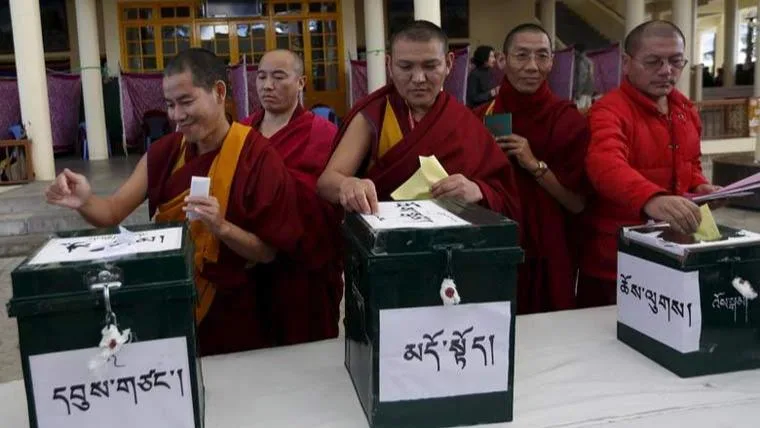
On Sunday, thousands of Tibetans went to polling stations to cast their ballots. The voting happened not just in India, but across 27 different countries where Tibetans now live. People from all walks of life, including Buddhist monks, nuns, and young students, stood in long lines despite the hot weather. This was the final stage of a process that began earlier this year to decide who will sit in their parliament for the next term.
Important Numbers and Facts
The Central Tibetan Administration (CTA) reported that more than 91,000 people registered to vote in this election. There are 93 candidates competing for 45 seats in the parliament. The seats are divided to make sure all parts of the community are represented. This includes 10 people from each of the three traditional regions of Tibet. There are also seats for representatives of different religious groups and for Tibetans living in North America, Europe, and Asia.
The position of President, known as the Sikyong, was already decided in February. Penpa Tsering won a second term by getting more than 60 percent of the votes in the first round. Because he won by such a large amount, a second round of voting for his position was not needed.
Background and Context
The Central Tibetan Administration is based in Dharamsala, India. It acts as a government for Tibetans who had to leave their country. While Tibetans see this group as their true leaders, the Chinese government does not agree. China calls the group "separatists" and does not recognize the elections. However, for the seven million Tibetans living inside Tibet and those in exile, the CTA is the voice that speaks for their rights and their history. This democratic system was started decades ago to help the community manage its own affairs while living in other countries.
Public or Industry Reaction
The mood at the polling stations was one of determination. Lobsang Yeshi, the Chief Election Commissioner, said that this vote is a way for Tibetans to show they still want a free homeland after nearly 70 years in exile. He mentioned that the election is a direct answer to Chinese claims that the Tibetan movement is fading. Many young voters also shared their feelings. One young man said that even though he was born outside of Tibet, voting makes him feel connected to his culture. He believes that choosing leaders is the best way to keep their struggle for freedom alive for the next generation.
What This Means Going Forward
The newly elected parliament will face several challenges. Their main job will be to keep the international community interested in the Tibetan cause. They also need to plan for a time when the Dalai Lama is no longer able to lead them. By holding these elections, the community is making sure they have a stable system of leadership ready for the future. The high number of voters shows that the younger generation is still very interested in politics, which is vital for the movement to continue in the coming years.
Final Take
The Tibetan election is more than just a political event; it is an act of survival for a culture in exile. By using a democratic process, Tibetans are proving that their community is resilient and forward-thinking. This election ensures that their quest for identity and freedom will continue to be led by representatives chosen by the people themselves.
Frequently Asked Questions
What is the Tibetan Parliament-in-exile?
It is the group of elected officials who make laws and decisions for the Tibetan community living outside of Tibet. It is based in Dharamsala, India.
Why is this election important?
It allows Tibetans to choose their own leaders democratically and shows the world that they are still united in their desire for freedom and the protection of their culture.
Where do these elections take place?
The elections happen in 27 countries around the world, including India, the United States, and various nations in Europe and Asia, wherever there are large Tibetan communities.