
Summary
A recent investigation by the BBC has led to the removal of many TikTok accounts that used artificial intelligence to create sexualized videos. These accounts featured AI-generated Black women to attract viewers and promote adult content. The investigation found that these fake profiles were part of a larger trend of using digital tools to bypass social media rules. This discovery has raised serious concerns about how technology is used to target specific groups and spread inappropriate material online.
Main Impact
The main impact of this discovery is the light it shines on the growing problem of AI-generated "influencers." These are not real people, but computer-made characters that look and move like humans. By using these fake images, creators can produce a large amount of content very quickly without needing real models. This specific case is troubling because it used racial stereotypes to get clicks and make money. It shows that social media platforms are struggling to keep up with how fast AI technology is changing.
Key Details
What Happened
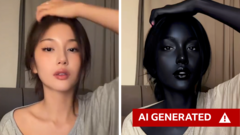
The BBC spent time looking into accounts on both TikTok and Instagram. They found dozens of profiles that seemed to belong to beautiful Black women. However, these women did not actually exist. They were avatars created using AI software. These accounts would post short videos that were often suggestive or sexual in nature. The goal was to get people to click on links in the profile bio. These links usually led to websites where users had to pay to see more explicit photos or videos.
When the BBC showed their findings to TikTok, the company took action. They deleted dozens of accounts for breaking rules about sexual content and fake engagement. Instagram also looked into the accounts mentioned in the report. Both platforms have rules against using fake identities to trick people, especially when it involves adult content.
Important Numbers and Facts
The investigation identified a large network of these accounts. Some of the profiles had hundreds of thousands of followers. The videos they posted reached millions of views before they were taken down. This shows how easy it is for fake content to go viral. Experts say that the tools used to make these videos are often cheap or even free to use. This makes it very easy for scammers or adult content creators to set up hundreds of fake profiles at once.
Background and Context
Artificial intelligence has become very good at creating realistic human faces and bodies. This technology is often called "generative AI." While it can be used for fun things like movies or video games, it is also being used for harmful purposes. In this case, the creators used AI to make "digital puppets." They chose to create Black women because they believed it would help them reach a specific audience and make more money.
This is part of a bigger issue called "deepfakes." A deepfake is a video or image that has been changed or created by AI to show something that never happened. Social media sites have been trying to stop deepfakes for years, but the technology is getting better every day. It is becoming harder for the average person to tell if a video shows a real human or a computer program.
Public or Industry Reaction
Digital safety experts and groups that protect women’s rights have expressed deep concern. They argue that using AI to create sexualized versions of Black women is a form of digital exploitation. They say it reinforces old, harmful stereotypes. Many people are calling for social media companies to be more proactive. Instead of waiting for a news organization to find these accounts, they want the platforms to use their own technology to catch them earlier.
TikTok stated that they are constantly improving their systems to find and remove this kind of content. They said they do not allow "synthetic media" that is sexual or misleading. Meta, the company that owns Instagram, said they are also working on new ways to label AI content so users know what is real and what is not.
What This Means Going Forward
This event shows that we are entering a time where we cannot always trust what we see on our screens. In the future, social media companies may be forced to require labels on all AI-generated content. If a video is made by a computer, the platform might have to show a warning to the user. There is also a push for new laws. Governments are looking at ways to punish people who use AI to create fake sexual images or to scam others. For users, it means being more careful about which accounts they follow and what links they click on.
Final Take
The removal of these accounts is a small victory, but the problem is far from over. As AI tools become even more advanced, the internet will likely see more fake people and fake stories. It is no longer just about stopping spam; it is about protecting the dignity of real people and ensuring that technology is not used to exploit specific communities. Social media sites must do more than just react to reports; they need to build better tools to stop these fake accounts before they can cause harm.
Frequently Asked Questions
What is an AI avatar?
An AI avatar is a digital character created by a computer. It can look and act like a real person, but it does not exist in the real world. These are often used in videos, games, and now on social media.
Why were these specific accounts removed?
The accounts were removed because they broke rules against posting sexualized content and using fake identities to lead people to paid adult websites. They used AI to trick users and promote explicit material.
How can I tell if a video is made by AI?
Sometimes it is hard to tell, but you can look for small mistakes. AI often has trouble with hands, teeth, or how hair moves. If a person in a video looks too perfect or their movements seem slightly robotic, it might be AI-generated.