

Summary
Recent rainfall in March and April has brought a wave of relief to tea farmers in the Kangra valley. After a very dry winter that damaged many plants, these timely showers have helped the tea bushes recover. Growers are now hopeful for a high-quality harvest and better profits this season. While the weather is helping right now, the industry still faces long-term challenges that need urgent attention.
Main Impact
The most immediate impact of the rain is the restoration of soil moisture. During December and January, the region faced a long dry spell that left tea plantations in poor condition. The recent rain has acted as a natural medicine for the thirsty plants, allowing them to sprout fresh, green leaves. This change in weather is expected to improve both the amount of tea produced and the overall taste and quality of the leaves, which is vital for keeping the Kangra brand strong in the global market.
Key Details
What Happened
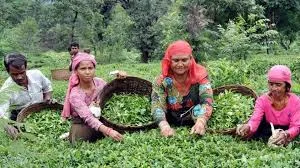
Tea plucking in the Kangra valley usually begins in April. However, many farmers are choosing to wait a few extra days this year. They want to give the plants more time to grow tender new shoots following the recent rains. By waiting, they hope to harvest better leaves that will fetch a higher price. This decision shows how much the farmers rely on specific weather patterns to ensure their crop meets high standards.
Important Numbers and Facts
The Kangra tea industry has a long history, but it has been shrinking lately. In the past, tea was grown on nearly 1,800 hectares of land. Today, that number has dropped to only about 900 hectares. This means half of the tea-growing land has been lost over the years. On the positive side, Kangra tea received Geographical Indication (GI) status in India in 2005. More recently, in 2023, the European Union also gave it GI status. This special label tells buyers that the tea is authentic and comes from this specific region, which helps in selling it to international customers.
Background and Context
Kangra tea is famous for its unique flavor and health benefits. For over a century, it has been a key part of the local economy in Himachal Pradesh. However, growing tea is becoming more difficult for small farmers. The cost of seeds, tools, and transport has gone up. At the same time, many of the tea bushes are very old. Some have been around for so long that they no longer produce as many leaves as they used to. To keep the industry alive, these old bushes need to be replaced with new ones, but this is an expensive and slow process.
Public or Industry Reaction
Farmers and experts are happy about the rain, but they remain worried about the future. Many small and medium-sized growers have stopped farming tea over the last twenty years because it is no longer profitable for them. They point to a major shortage of workers as a big problem. Younger people are often moving to cities for different types of jobs, leaving fewer people to help with the hard work of plucking and processing tea. While the government has tried to help with various schemes, many farmers feel these programs have not done enough to solve the real problems on the ground.
What This Means Going Forward
The survival of the Kangra tea industry depends on more than just good rain. There is a strict rule that tea garden land cannot be used for building houses or other non-farming purposes. Even with this rule, the amount of land used for tea is still going down. Moving forward, the industry needs a better plan to help farmers. This includes providing better technology, financial help to replace old plants, and finding ways to make the work easier for laborers. If these issues are not fixed, the famous tea gardens of Kangra could continue to disappear.
Final Take
The recent rains have saved this year's crop from a dry winter, giving the Kangra tea industry a much-needed win. However, weather alone cannot fix the deep problems of high costs and shrinking land. For this historic industry to truly thrive again, it needs a strong partnership between the government and the growers to ensure that Kangra tea remains a staple on the world stage.
Frequently Asked Questions
Why is the recent rain important for Kangra tea?
The rain helped the tea bushes recover from a very dry winter. It provided the moisture needed for the plants to grow fresh, high-quality leaves just in time for the harvest season.
What is GI status and why does it matter?
GI status is a special label that protects the name of a product based on where it is made. For Kangra tea, it proves the tea is genuine, which helps farmers sell it for a better price in India and Europe.
Why is the area for tea farming shrinking?
The farming area has decreased because of high production costs, a lack of workers, and old tea bushes that do not produce enough leaves. Many small farmers have found it too difficult to continue and have left the business.