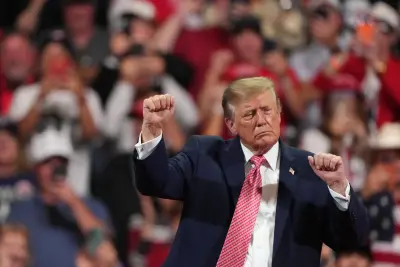

President Donald Trump is making a calculated bet that economic pressure can succeed where military force has not. After deciding against renewing all-out war with Iran, Trump signaled he will continue squeezing the regime through a naval blockade, betting that Iran's collapsing economy will force it to the negotiating table.
Trump's New Strategy on Iran: Economic Pressure Over Military Action
In an interview with Axios on Sunday, Trump made his position clear. He said the U.S. is "low keying it" and only "semi-negotiating" with Iran, suggesting that the country's failing economy will give America the upper hand in any talks.
"We are just watching Iran with its huge inflation and the fact they have no money," Trump told Axios.
The president painted a grim picture of Iran's financial situation. He claimed Tehran cannot pay its own troops and described the country's economy as being in "very bad shape." According to Trump, the U.S. naval blockade has made this economic crisis even worse.
Why the Naval Blockade Matters for Iran's Economy
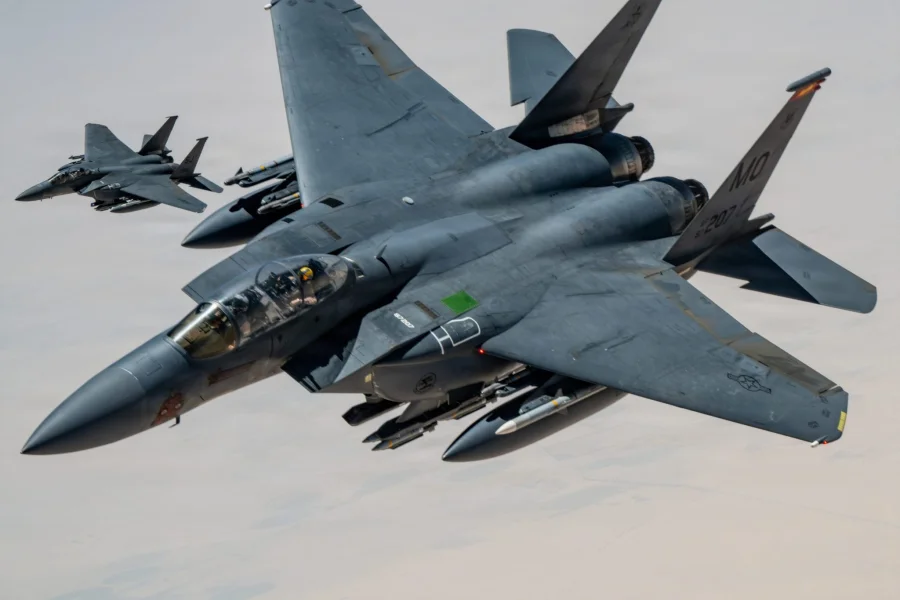
The blockade is not just a military maneuver — it is an economic weapon. By cutting off Iran's ability to export oil and move goods through the Gulf, the U.S. is targeting the regime's main source of revenue. Without money coming in, Iran struggles to pay soldiers, fund programs, and keep its economy running.
Trump's argument is simple: a country that cannot pay its own military cannot sustain a long confrontation. The economic pain, he believes, will push Iran toward compromise.
"We are just watching Iran with its huge inflation and the fact they have no money." — President Donald Trump via Axios
What This Means for Americans
One key advantage of this strategy is its impact on the American public. Unlike a full-scale war, which would likely send oil prices soaring, Trump's pivot away from resuming major combat operations has actually helped keep oil prices down. This means less strain on American consumers and businesses.
The approach is a sharp contrast to military action. Bombs and missiles can destroy infrastructure, but they also come with high costs — both in dollars and in lives. The blockade strategy aims to achieve similar pressure on Iran without those same costs.
Our Take: A Risky Bet That Could Pay Off — or Backfire
In our view, Trump's decision to lean on economic pressure instead of military force is a calculated gamble. On paper, the logic is sound: Iran's economy is struggling, inflation is high, and the regime reportedly cannot even pay its troops. If the blockade continues to choke off revenue, Tehran may have no choice but to negotiate.
But there are real risks here. Economic pressure can take a long time to produce results, and in the meantime, Iran could double down on its nuclear program or regional activities out of desperation. There is also the question of whether other countries will respect the blockade or find ways to smuggle oil out of the Gulf — which would weaken its impact.
Still, for American taxpayers and consumers, this approach has clear benefits. Avoiding a full-scale war keeps oil prices stable and avoids the human and financial costs of combat. Whether the blockade will actually force Iran to change its behavior remains to be seen, but for now, Trump is betting that economic pain can achieve what bombs could not.
The coming months will show whether this bet pays off. If Iran's economy continues to crumble, the regime may have little choice but to come to the table. If not, the U.S. may find itself back where it started — with few good options.