
Summary
The United States and Iran have reached a deal for a two-week ceasefire to stop active fighting. This temporary truce follows a period of intense military action that began over a month ago when the US and Israel carried out joint attacks on Iranian targets. The agreement is intended to provide a short break in the conflict so that both sides can talk about a more permanent solution. This move is seen as a vital step in preventing a much larger war from breaking out across the Middle East.
Main Impact
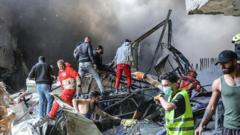
The most immediate effect of this ceasefire is the halt of airstrikes and missile attacks. For the next 14 days, military forces on both sides are expected to stay in place without launching new operations. This pause brings much-needed relief to civilians living in areas that have been under fire. It also helps stabilize global oil prices, which often go up when there is trouble in this part of the world. By stopping the violence for two weeks, the deal creates a window for diplomats to meet and discuss ways to end the disagreement without more blood being shed.
Key Details
What Happened
The ceasefire was announced after several days of quiet talks involving neutral countries that acted as messengers between Washington and Tehran. The fighting had reached a dangerous level following the coordinated strikes by the US and Israel. Those attacks were aimed at slowing down Iran’s military capabilities, but they led to a series of back-and-forth hits that threatened to spin out of control. The new agreement is "provisional," which means it is not a final peace treaty but a temporary stop to the violence to see if both sides can follow the rules.
Important Numbers and Facts
The truce is set to last for exactly 14 days, starting from the time of the official announcement. It has been roughly 35 days since the US and Israel launched their major joint military operation against Iran. During that month of conflict, dozens of military sites were targeted, and trade routes in the region faced major delays. Under the terms of this new deal, neither side is allowed to move new weapons into the conflict zones or launch any drones or missiles. If the two weeks pass without any violations, there is a possibility that the truce could be extended for another month.
Background and Context
The relationship between the US and Iran has been difficult for many years, but things became much worse recently. A little over a month ago, the US and Israel decided to work together to strike targets inside Iran. They claimed these strikes were necessary to protect their interests and stop certain military activities. Iran responded with its own military force, leading to a cycle of attacks. This situation worried leaders around the world because the Middle East is a major center for global trade and energy. Many feared that if the US and Iran did not stop fighting, other countries would be pulled into the war, making it a global crisis.
Public or Industry Reaction
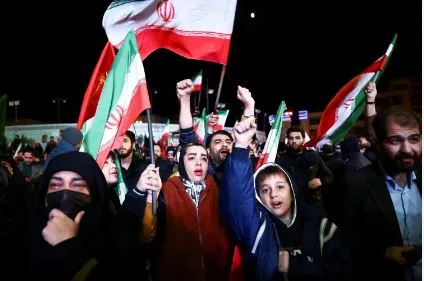
World leaders have mostly welcomed the news of the ceasefire, though many remain worried that it might not last. The United Nations praised the move and urged both sides to use this time for honest talk. In the business world, shipping companies and oil traders expressed relief. Since the conflict began, shipping insurance costs had gone up, making it more expensive to move goods through the region. On the other hand, some political experts warn that two weeks is a very short time. They worry that both sides might just use this break to fix their equipment and prepare for more fighting once the 14 days are over.
What This Means Going Forward
The next two weeks will be a major test for both the US and Iran. If the ceasefire holds, it proves that both governments have some level of control over their military forces and a desire to avoid a full-scale war. The next step will be for diplomats to meet in a neutral city to discuss the bigger issues, such as nuclear programs and regional security. However, there is a high risk that a small mistake or an unauthorized attack by a smaller group could break the peace. If the ceasefire fails, the fighting will likely return even stronger than before, making it much harder to find a peaceful path in the future.
Final Take
This two-week break is a small but important chance to stop a major war. While it does not solve the deep problems between the US and Iran, it provides a necessary pause in the violence. The success of this truce depends entirely on whether both sides are willing to talk instead of fight. For now, the world is waiting to see if these 14 days will lead to a lasting peace or if they are simply a short rest before the conflict starts again.
Frequently Asked Questions
How long will the ceasefire last?
The current agreement is for a two-week period, which is 14 days. It can be extended if both sides agree to keep the peace after the time is up.
Why did the US and Iran agree to this now?
After a month of heavy fighting following US and Israeli strikes, both sides realized that the conflict was becoming too dangerous and expensive. They agreed to a pause to try and find a diplomatic way out.
Does this mean the war is over?
No, this is only a temporary truce. It stops the fighting for a short time, but a permanent peace deal has not been signed yet. The underlying problems between the two countries still exist.
Photo courtsy - Al Zazeera