
Summary
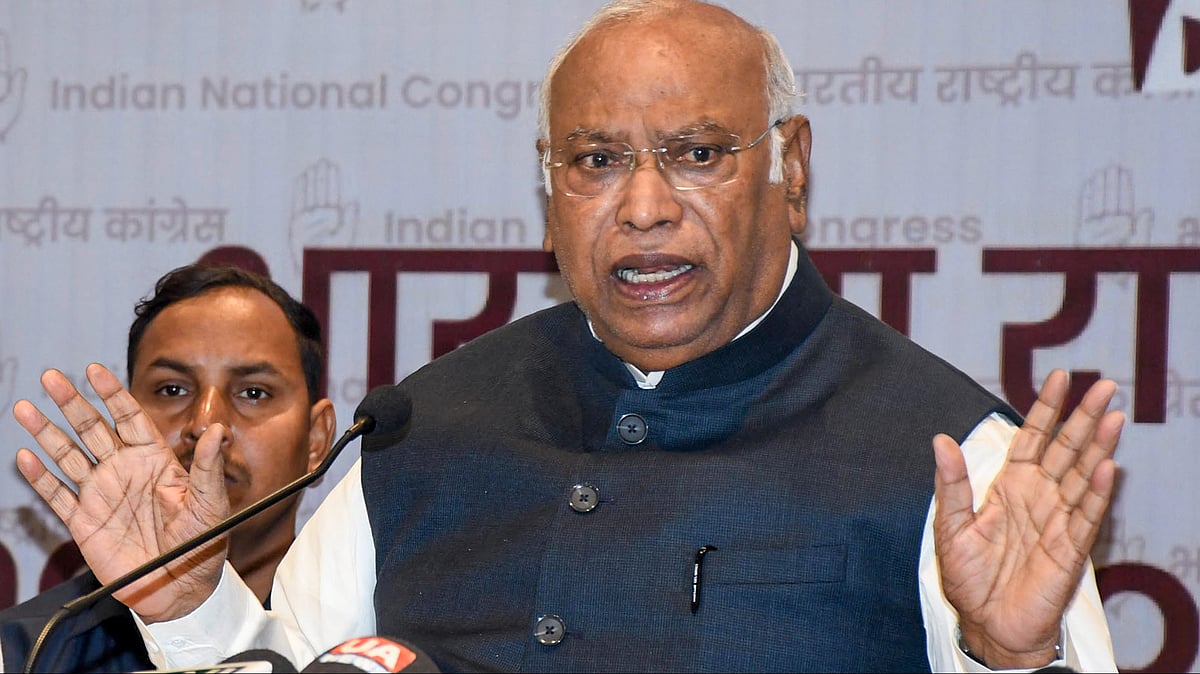
Mallikarjun Kharge, the president of the Congress party, has called for a meeting of all political parties on April 15. The main goal of this gathering is to discuss how the new women’s reservation law will be put into practice. Kharge claims that the central government is not doing enough to consult with others before making big decisions about this law. This meeting is seen as a way for different political groups to share their ideas and concerns before the government moves forward with its own plans.
Main Impact
This move by the Congress party puts pressure on the government to be more open about its plans. By calling an all-party meeting, Kharge is highlighting that many leaders feel left out of the conversation. The outcome of this meeting could change how the law is handled in Parliament. It also shows that while most parties agree that women should have more seats in government, they do not agree on how or when it should happen. This disagreement could lead to a more intense debate during the upcoming special sessions of Parliament.
Key Details
What Happened
On Monday, Mallikarjun Kharge spoke to the media about the Nari Shakti Vandan Adhiniyam, which is the official name of the women’s reservation law. He explained that his party fully supports the idea of giving women more power in politics. However, he expressed frustration that the government has not invited all parties to talk about the details. Because the government did not call a meeting, Kharge decided that the Congress party would host one instead. He wants to make sure that every voice is heard before the law is fully implemented.
Important Numbers and Facts
The timeline for these events is very tight. The all-party meeting called by Kharge will take place on April 15. Just one day later, on April 16, a special three-day session of Parliament will begin. This special session will run until April 18. The law itself aims to reserve one-third, or about 33 percent, of the seats in the Lok Sabha and state assemblies for women. Although the law has already been passed, the current plan is to start using it in the year 2029. This long delay is one of the main points of discussion for the opposition parties.
Background and Context
The idea of reserving seats for women in India is not new. For many years, leaders have debated how to give women a bigger role in making laws. The Congress party points out that they have a long history of supporting this cause. They often mention that women already have reserved seats in local government bodies, such as village panchayats and city municipal corporations. These local changes were made years ago and have helped many women become leaders in their own communities.
Kharge also reminded the public that Sonia Gandhi has been a strong supporter of this law for a long time. The law was passed with a lot of support in Parliament, but the details of how to make it work are still being sorted out. The government needs to update certain rules and conduct a census before the reservation can start. This is why the rollout is not expected until 2029, which has caused some people to feel that the process is moving too slowly.
Public or Industry Reaction
The reaction to Kharge’s announcement has been mixed. Supporters of the Congress party believe that the government is trying to take all the credit for the law without doing the hard work of talking to other leaders. Kharge himself said that the government seems more interested in getting political points than in having a real discussion. He believes that a law this important needs the input of everyone, not just the party in power.
On the other hand, some people believe that the government is following the necessary legal steps. They argue that the delay until 2029 is needed to make sure the seat boundaries are drawn correctly. However, the opposition remains skeptical. They worry that the government might use the special Parliament session to pass amendments that could change how the law works without enough debate.
What This Means Going Forward
The meeting on April 15 will be a key moment for the opposition. After the meeting, Kharge said they would announce their collective decision and suggestions. This will likely set the tone for the special Parliament session that starts the next day. If the opposition parties can agree on a single plan, they might be able to push the government to change the timeline or the way the law is applied.
The government is expected to bring forward new amendments during the three-day special sitting. These changes will focus on the technical parts of the law. Everyone will be watching to see if the government listens to the suggestions from the all-party meeting or if they continue with their original plan. The main goal for everyone involved is to see how the 2029 rollout will be managed and if there is any way to speed it up.
Final Take
The fight over the women’s reservation law shows that even when everyone agrees on a goal, the details can still cause a lot of conflict. By calling this meeting, the Congress party is trying to lead the conversation and ensure that the implementation of the law is fair. The next few days will be very important for the future of women in Indian politics. Whether the government and the opposition can find common ground remains to be seen, but the pressure for a clear and fair plan is growing.
Frequently Asked Questions
What is the women’s reservation law?
It is a law that sets aside one-third of the seats in India's national and state legislatures for women. It aims to increase the number of women who help make the country's laws.
Why is Mallikarjun Kharge calling a meeting?
He believes the government is not talking enough to other political parties about how to start the law. He wants to gather different leaders to discuss their ideas and concerns on April 15.
When will women actually get these reserved seats?
Under the current plan, the reservation is expected to begin in 2029. This is because the government says it needs time to finish a census and redraw the boundaries of voting areas.