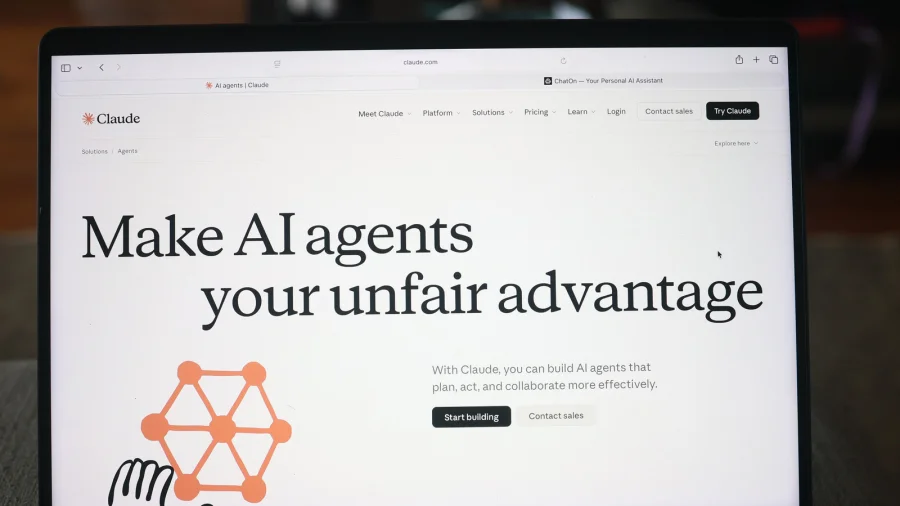

Sony Music and Warner Music have filed a lawsuit against Anthropic, an artificial intelligence company, accusing it of a "blatant violation" of copyright law. The two music publishing groups claim the company is responsible for thousands of instances of copyright infringement.
The lawsuit centers on the use of copyrighted material without permission. The publishers argue that Anthropic used their work in ways that directly violate existing copyright protections.
What the Lawsuit Claims
The core of the case rests on the allegation that Anthropic engaged in widespread unauthorized use of music publishing content. According to the original story, the two groups point to "thousands of instances of copyright infringement" as the basis for their legal action.
The term "blatant violation" is central to their argument. It suggests the publishers believe the infringement was not accidental or minor, but rather a clear and knowing disregard for their rights.
Why This Matters for the AI Industry
This lawsuit is part of a growing wave of legal challenges facing AI companies. As artificial intelligence tools become more powerful, questions about how they use existing creative work have moved to the forefront of legal and public debate.
For music publishers, the stakes are high. Their business model depends on controlling how songs and lyrics are used. If AI companies can take that material without payment or permission, it threatens the value of their catalogues.
To put it plainly: this case is not just about one company. It is about who owns creative work in the age of artificial intelligence, and whether AI developers must pay for the material they use to train their systems.
Our Take: A Defining Legal Battle
In our view, this lawsuit represents a critical moment for both the music industry and the AI sector. The outcome could set a precedent for how AI companies handle copyrighted material going forward.
The publishers' use of the phrase "blatant violation" signals they are not looking for a quiet settlement. They are drawing a line in the sand, and they want the courts to make a clear statement about what is and is not acceptable.
For readers, the key takeaway is simple: the rules that govern creative work are being tested in real time. Whether Anthropic wins or loses, the decision will likely shape how AI companies operate for years to come. It is a story worth watching closely.