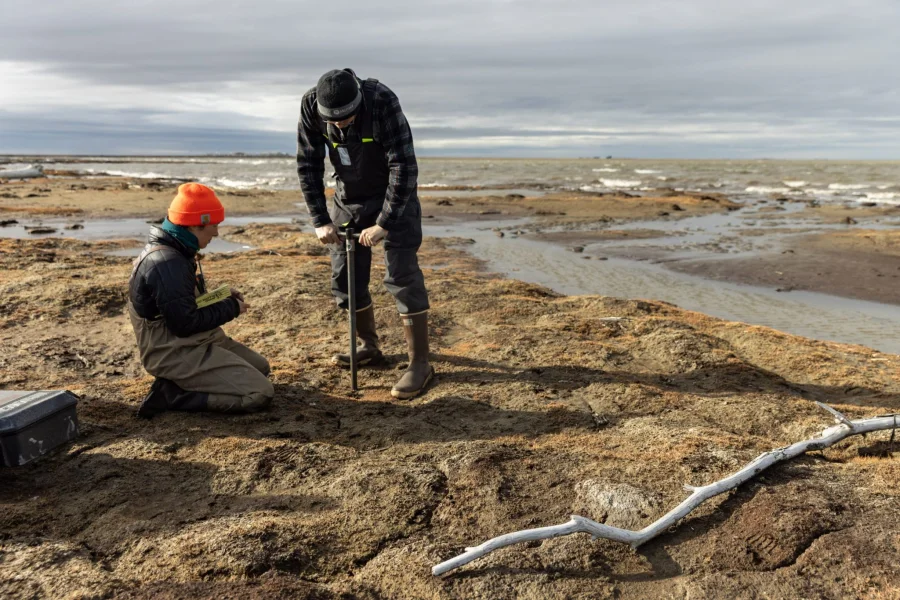

Scientists are using artificial intelligence to track permafrost thaw across the Arctic, where lakes are vanishing in hours as the frozen ground beneath them collapses. The problem is most severe in Alaska, where much of the soil is permafrost — ground that stays below 32 degrees Fahrenheit (0 degrees Celsius) for at least two consecutive years.
Why Permafrost Thaw Causes Land to Sink
Permafrost is often rich with ice. When that ice melts, the ground can collapse. As temperatures rise, this is happening more often across the Arctic. The consequences are the same as in Florida: substantial property damage as the land that buildings, roads, and pipes were built on sinks.
Florida gets a lot of attention for its sinkholes, especially when they swallow cars and entire houses. But its sinkhole risk has nothing on Alaska's. The scale of land collapse from thawing permafrost is a growing concern for communities, infrastructure, and the environment.
AI's Role in Tracking Rapid Arctic Changes
The challenge for scientists has been keeping up with how fast these changes occur. Arctic lakes can vanish in a matter of hours — not over years or decades. This speed makes traditional monitoring methods difficult. AI is now being used to track these rapid changes, giving researchers a better picture of where and when permafrost thaw is happening.
Thawing permafrost caused the land to sink and this relatively modern hut in Spitsbergen, Norway, to tip over. The image shows how even recent structures are vulnerable when the ground beneath them gives way.
Property Damage and Infrastructure Risk
The damage is not limited to remote areas. Buildings, roads, and pipes across Alaska are at risk as the ground shifts. When permafrost thaws, the land can sink unevenly, cracking foundations, bending pipelines, and buckling roadways. The potential for damage remains high, even as scientists work to better understand and predict these events.
Our Take: A Warning Sign That Needs Attention
To put it plainly, this is a story about how quickly climate change can reshape the ground we stand on. The fact that lakes can vanish in hours should be a wake-up call. AI is a valuable tool here — it can help scientists spot patterns and warn communities before the ground gives way. But technology alone will not fix the problem. The root cause is rising temperatures, and until that is addressed, the Arctic will keep sinking.
For residents of Alaska and other Arctic regions, this is not a distant concern. It is happening now, under their feet. The use of AI to track these changes is a step in the right direction, but it is a response to a crisis, not a solution to it.
We should watch this closely. The more we learn about how permafrost thaws, the better prepared we can be — but preparation only goes so far when the ground itself is unstable.