
Summary
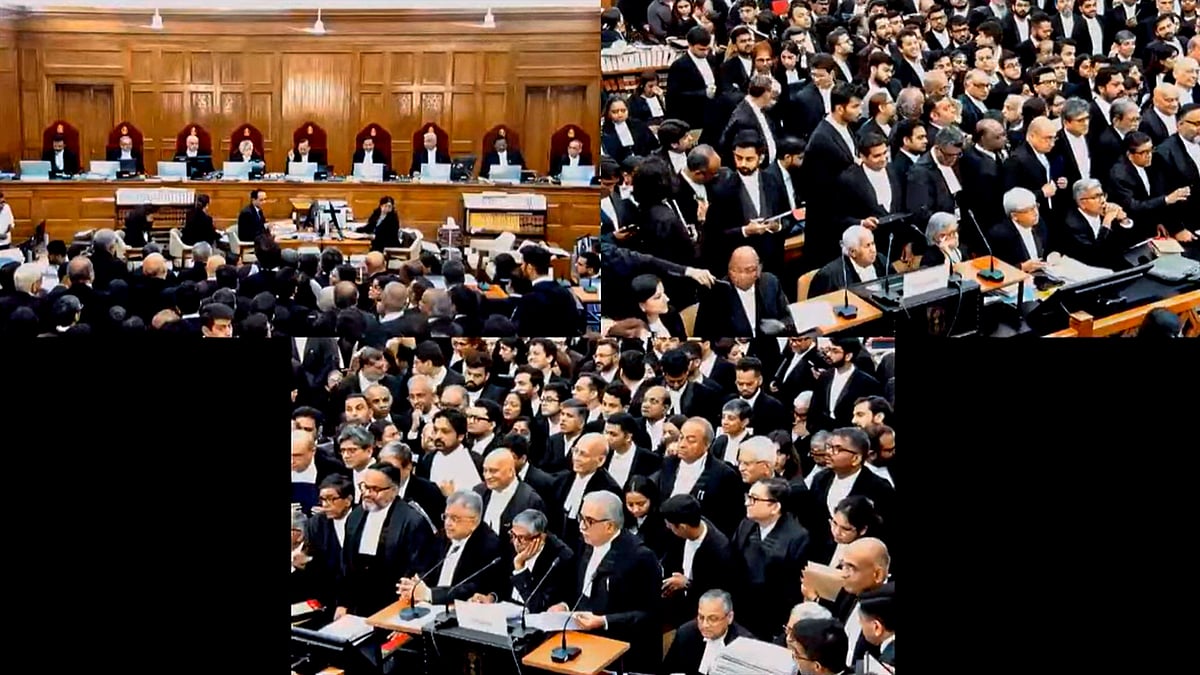
The Central Government has officially supported the tradition of restricting women aged 10 to 50 from entering the Sabarimala temple in Kerala. During a hearing on April 7, 2026, the government told a nine-judge bench of the Supreme Court that religious faith should be protected from court interference. This case is a major part of a national debate on whether religious traditions or individual rights should come first.
Main Impact
The government’s stance emphasizes that religious groups should have the freedom to manage their own traditions without judges stepping in. If the Supreme Court agrees with this view, it could limit the power of courts to change religious practices in the future. This decision will affect not just one temple, but how all religious rules are handled under Indian law. It also carries heavy political weight in Kerala, where the temple is a very important symbol for many people.
Key Details
What Happened
Solicitor General Tushar Mehta, representing the Centre, argued that the Sabarimala rule is a matter of deep faith and spiritual belief. He stated that the court should only interfere in religion if a practice harms public order, health, or morality. He argued that the restriction at Sabarimala does not fall into those categories. The government also strongly disagreed with earlier court statements that compared the ban on women to "untouchability," which is a form of illegal discrimination in India.
Important Numbers and Facts
The case is being heard by a large bench of nine judges, led by Chief Justice Surya Kant. The tradition at the temple restricts women between the ages of 10 and 50. This specific age group is linked to the years when women typically menstruate. In 2018, a smaller group of five judges had ruled that women should be allowed to enter, but that decision was later challenged, leading to the current high-level review. The government pointed out that this is a unique case because other temples dedicated to the same deity do not have this restriction.
Background and Context
The Sabarimala temple is dedicated to Lord Ayyappa. According to tradition, the deity at this temple is a "celibate," meaning he has taken a vow to remain unmarried and away from worldly attractions. Because of this, the temple has long restricted women of a certain age from entering. In 2018, the Supreme Court said this rule was unfair to women. This led to massive protests across the country. Because the issue is so complex, the court decided to let a larger group of nine judges look at the broad questions of religious freedom and gender equality for all faiths.
Public or Industry Reaction
The case has caused a lot of debate among the public and religious leaders. A group representing Hindu seers has asked to join the case, arguing that judges are not experts in religious books and should not decide what is "essential" to a faith. In Kerala, political parties are using the issue to gain support before elections. Some people believe the law must change to treat everyone equally, while others feel that the government must protect ancient traditions from being erased by modern rules.
What This Means Going Forward
The nine-judge bench is not just looking at Sabarimala. They are setting the rules for how the law treats women in all religions. This includes looking at practices in mosques and other places of worship. The final ruling will decide if a person’s right to equality is more important than a religious group’s right to follow its own customs. It will also clarify if judges have the right to interpret holy scriptures or if they should leave those decisions to religious communities.
Final Take
The government is taking a firm stand to protect religious traditions from legal changes. They argue that faith is a spiritual matter that the law cannot always measure or control. As the Supreme Court continues its work, the outcome will define the future of religious freedom in India. It is a difficult balance between keeping old traditions alive and ensuring that every citizen is treated with equal dignity.
Frequently Asked Questions
Why are women between 10 and 50 restricted from the temple?
The restriction is based on the belief that the deity at Sabarimala is a celibate. The tradition says that women of an age where they can have children should not enter to respect the deity's vow.
What is the government's main argument in court?
The government argues that religious faith is a matter of personal belief and the right of a religious group to run itself. They believe courts should stay out of religious rules unless they cause a serious problem for public health or safety.
Will this court case affect other religions?
Yes. The nine-judge bench is looking at the broad relationship between religion and gender rights. The final decision will likely set a standard for how the law handles similar issues in all religions across India.