
Summary
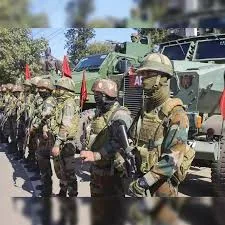
The government of Manipur is currently looking into a plan to change how security forces are positioned in the state. Home Minister Govindas Konthoujam announced that the state is considering replacing central security forces with state police in certain valley areas. This move comes after local groups asked for more state control over security following recent violent events. The goal is to move central forces to the nearby hill regions while state personnel take over duties in the valley edges.
Main Impact
This decision could significantly change how law and order are managed in sensitive parts of Manipur. By moving state forces into the valley peripheries, the government hopes to address the concerns of local residents who feel that the current security setup is not doing enough. However, this shift also brings up big questions about whether the state has enough officers to handle these duties. If the plan goes through, it will mark a major shift in the balance of power between local police and central government forces in the region.
Key Details
What Happened
Home Minister Govindas Konthoujam shared these plans during a recent public event. He explained that the state government is listening to the demands of civil society groups. These groups have been vocal about wanting state forces to lead security efforts in the valley. The plan involves a swap where central units, which are currently stationed at the borders of the valley districts, would move into the hill areas. In their place, state security personnel would be deployed to guard these locations.
Important Numbers and Facts
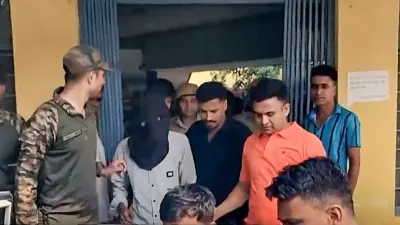
The push for this change grew stronger after a tragic bomb attack in the Bishnupur district. This attack, which took place in the Tronglaobi area, resulted in the deaths of two children. This event caused a lot of anger and led to claims that the current security forces were not stopping attacks effectively. While the government wants to make changes, they admit there is a shortage of state personnel. This means they cannot simply move everyone at once. They need to hire or train more people before a full transition can happen. Additionally, any change in how central forces are used requires close cooperation with the national government in New Delhi.
Background and Context
Manipur has been dealing with a long period of tension between different communities living in the valley and the hill regions. Because of this, thousands of central security personnel were sent to the state to keep the peace. These forces are often seen as a neutral middle ground between the different groups. However, many people living in the valley feel that the state police understand the local situation better and should be given more responsibility. The state government is now trying to find a way to satisfy these local demands while still keeping the overall region safe from further violence.
Public or Industry Reaction
Civil society groups in the valley have been the main voice calling for this change. They argue that recent attacks involving explosives and armed groups from the hills show that the current security measures are failing. They believe that state forces would be more proactive in preventing these incidents. On the other hand, security experts warn that moving central forces could be risky. They point out that central forces have specialized training and equipment that the state police might lack. There is also a concern that changing the force structure could lead to more friction between the different regions of the state.
What This Means Going Forward
The transition will not happen overnight. The Home Minister made it clear that logistical challenges are the biggest hurdle. The state needs to figure out how to fill the gaps in manpower before they can take over from the central units. In the coming months, the state government will likely hold more talks with central agencies to create a step-by-step plan. Investigators are also still working to find out exactly who was behind the recent Bishnupur attack. The results of that investigation could influence how quickly the security changes are put into place. For now, the situation remains tense as the government tries to balance local demands with the need for professional security.
Final Take
Changing who guards the borders of the valley is a high-stakes move for the Manipur government. While it shows they are listening to the people, it also places a heavy burden on the state's own police force. Success will depend on whether the state can quickly solve its staffing issues and work effectively with central authorities. Keeping the peace in such a divided area requires not just more boots on the ground, but also a strategy that everyone can trust. The government must move carefully to ensure that changing the guards does not lead to more instability.
Frequently Asked Questions
Why does Manipur want to replace central forces?
The state government is responding to demands from local groups who believe state police would be more effective at stopping attacks in the valley areas.
What is the main challenge in making this change?
The biggest problem is a shortage of state security personnel. The government does not currently have enough officers to replace all the central forces in those areas.
What happened in Bishnupur to cause this demand?
A recent bomb attack in the Tronglaobi area of Bishnupur killed two children. This tragedy led to widespread calls for better security and a change in how forces are deployed.