
Summary
A recent survey for the Dharavi redevelopment project has caused a major stir after showing that nearly 96 per cent of residents in certain areas are considered ineligible for new housing. This high number has sparked fears among thousands of families who have lived in the area for decades. Local leaders are now calling for a closer look at the survey process, claiming that the current system is unfair and lacks transparency. The situation has become a major point of debate in the government, as the future of one of Asia's largest housing projects remains uncertain.
Main Impact
The biggest impact of this survey is the threat of mass relocation. If the current eligibility list stays the same, only a tiny fraction of the people living in Dharavi will get a new home in the redeveloped area. This means thousands of families could be forced to move to distant parts of the city, such as Kurla or Mulund. For many, this is not just about losing a roof over their heads; it is about losing their way of making a living. Most residents work within Dharavi or nearby, and moving them far away could destroy their small businesses and daily jobs.
Key Details
What Happened
The issue came to light when the Annexure-II list, which tracks who is eligible for the housing project, was released. The numbers were much lower than anyone expected. In several parts of Dharavi, the survey found that almost no one met the requirements to stay. This has led to accusations that the survey was not done correctly and that many residents were skipped or wrongly marked as ineligible.
Important Numbers and Facts
The data shared by local representatives shows a very low success rate for residents. In one specific area, out of 1,000 people who were surveyed, only 31 were found to be eligible. In the Meghwadi area, only 55 out of 505 residents made the list. The situation was even more extreme in Naik Nagar, where only 21 people out of 2,229 were declared eligible. Overall, this means that in these spots, only about 3 to 5 per cent of the population is being cleared for the new housing plan.
Background and Context
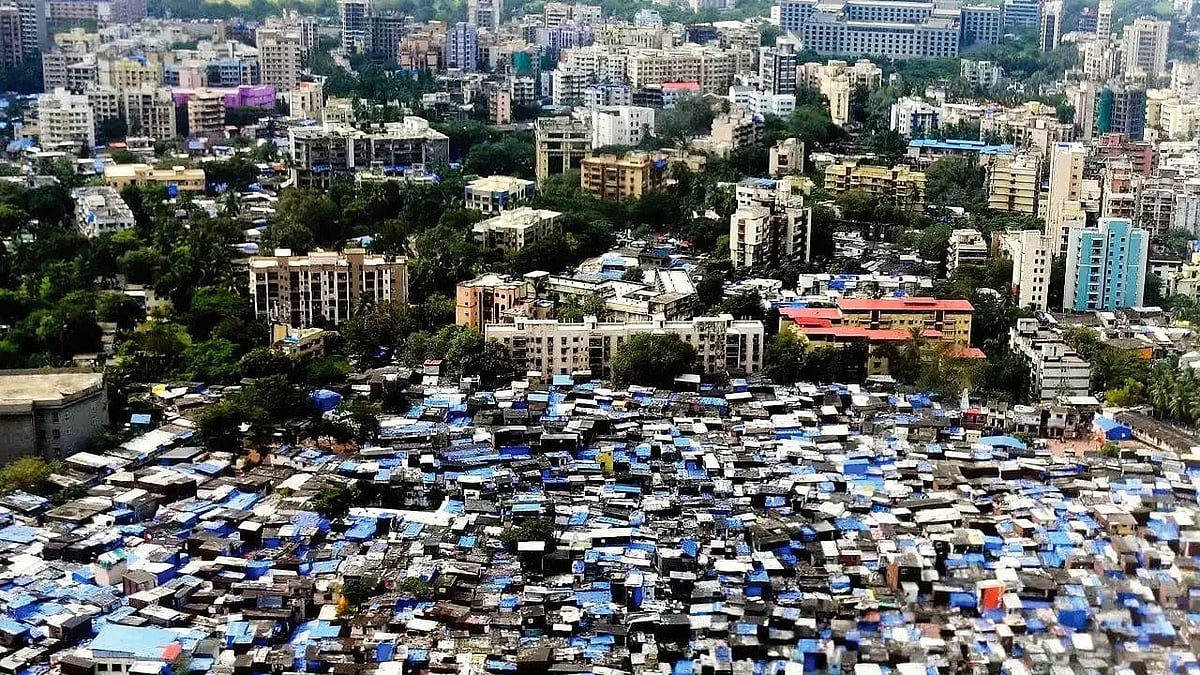
Dharavi is a massive area in Mumbai known for its dense population and many small industries. The government has wanted to rebuild it for a long time to provide better living conditions. The project is being handled by a private developer linked to the Adani Group. According to rules set by the Bombay High Court, anyone who can prove they lived in Dharavi before January 1, 2011, should be eligible for a free house in the new project. However, residents say the survey is making it very hard for them to prove they have been there that long, even if they have the right papers.
Public or Industry Reaction
Opposition leaders have been very vocal about these findings. Congress MP Varsha Gaikwad spoke about the issue in the Lok Sabha, calling the survey a failure. She claimed that the process is full of problems and that some middlemen are even trying to take money from poor residents to help them get on the list. She described the situation as an "extortion model" rather than a development plan. Many locals are also angry because they feel they were not told how the survey was being done and were never given a chance to speak at a public hearing.
What This Means Going Forward
The Slum Rehabilitation Authority (SRA) has now issued a final notice to the people of Dharavi. Residents have only 15 days to submit their documents to prove they are eligible. If they do not meet this deadline, the government will decide their fate based on the existing survey data, which many already believe is wrong. There are still about 24,000 units that have not been fully surveyed because people were not home or documents were missing. Another 13,000 units have not been visited at all. The next few weeks will be critical as residents rush to protect their right to stay in their homes.
Final Take
The goal of rebuilding Dharavi should be to improve the lives of the people who live there, not to push them out. With 96 per cent of residents currently marked as ineligible in some areas, the project faces a massive trust gap. For the redevelopment to be successful and fair, the government must ensure the survey process is honest, clear, and gives every long-term resident a fair chance to stay in the community they helped build.
Frequently Asked Questions
Why are so many people being called ineligible?
Many residents are being marked ineligible because they lack specific documents or were not present during the survey. There are also claims that the survey process itself is flawed and does not follow the 2011 cutoff rule correctly.
What happens if a resident is found ineligible?
Residents who are not eligible for the new housing in Dharavi may be moved to other areas like Kurla or Mulund. This is a major concern because it moves them far away from their current jobs and schools.
How long do residents have to fix their status?
The Slum Rehabilitation Authority has given residents a 15-day window to submit the necessary paperwork. If they miss this deadline, the government will use the current survey results to make a final decision.