
Summary
Police in Sirsa have arrested a young man from the Rohtak district for his involvement in a digital fraud case. The suspect allegedly used a fake WhatsApp profile to trick a resident of Ellenabad into sending money. By pretending to be a family member in a medical crisis, the accused managed to steal Rs 42,580. This case highlights the increasing use of personal photos and emotional stories by scammers to cheat innocent people out of their savings.
Main Impact
This arrest is a significant win for the Sirsa cyber police as they work to stop the rise of online scams in Haryana. The incident shows how easily criminals can use social media photos to build trust and manipulate victims. For the public, it serves as a serious reminder that digital identity can be easily faked. The success of the police in tracking the suspect using technical data proves that digital footprints can lead to justice, even when scammers think they are hidden behind a screen.
Key Details
What Happened
The incident began on May 22 when a man living in Ellenabad received a call on WhatsApp. The caller’s profile picture showed a photo of the victim's sister-in-law, who lives in Rajasthan. Because of the photo, the victim believed the caller was a trusted relative. The person on the other end claimed to be the victim's maternal cousin. He told a sad story, saying that the woman in the photo was very sick and needed money immediately for medical treatment.
To make the payment easy, the scammer sent a QR code through the chat. A QR code is a square image that, when scanned with a phone, allows a person to send money instantly. Trusting the story and the photo, the victim scanned the code and transferred Rs 42,580. The fraud was only discovered when the scammer called back and asked for even more money. At that point, the victim grew suspicious and realized he had been tricked.
Important Numbers and Facts
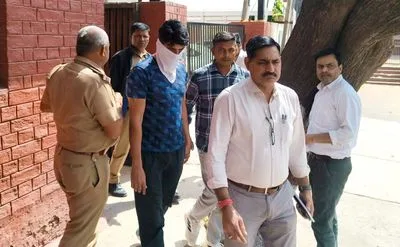
The victim lost a total of Rs 42,580 in the transaction. Following the report, the Sirsa cyber police identified the suspect as Vikas, a resident of the Johri Gate area in Meham, Rohtak. After gathering technical evidence and following secret tips, the police team tracked him down and made the arrest. Vikas has since been presented in court and is currently in judicial custody while the investigation continues.
Background and Context
Online fraud is becoming a common problem across the country. Scammers often use a method called "social engineering." This means they do not just use technology to steal; they use psychology. By finding photos of relatives on social media platforms like Facebook or Instagram, they can create fake WhatsApp accounts that look real. They target people's emotions by creating fake emergencies, such as accidents or sudden illnesses, which makes the victim act quickly without thinking clearly.
In this specific case, the use of a QR code made the theft very fast. Once a person scans a code and enters their PIN, the money leaves their bank account immediately. It is often very difficult to get this money back once it has been moved through multiple accounts.
Public or Industry Reaction
The local police have used this case to spread awareness about digital safety. Cyber Police Station SHO Prem Kumar spoke to the public about the dangers of trusting unknown callers. He explained that people should never send money based only on a WhatsApp message or a profile picture. The police are urging citizens to call their relatives on their known phone numbers to verify any request for money. There is a growing call from the community for better privacy settings on social media to prevent strangers from downloading and using personal family photos for these types of crimes.
What This Means Going Forward
As more people use digital payment apps, the risk of these scams will likely continue. The police are expected to increase their efforts in tracking the bank accounts used by these fraudsters. For the average user, this event means being more careful with privacy. It is important to lock social media profiles so that only friends can see photos. Furthermore, the government and banks are being asked to provide more education on how to spot a fake emergency call. If you are asked to scan a QR code by someone you do not know well, it is almost always a sign of a scam.
Final Take
The arrest of the youth from Rohtak is a reminder that the digital world requires constant caution. While technology makes it easy to help family members in need, it also gives criminals a way to hide their true identity. Taking a few minutes to make a phone call and verify a story can save thousands of rupees and prevent the stress of becoming a victim of fraud.
Frequently Asked Questions
How do scammers get photos of my relatives?
Scammers often browse public social media profiles. If your photos are set to "public," anyone can download them and use them to create a fake profile on WhatsApp or other messaging apps.
What should I do if a relative asks for money over WhatsApp?
Always stop and think. Call that relative on their regular phone number—not the one calling you on WhatsApp—to confirm if they actually need help. Never send money or scan QR codes based only on a text message.
Can the police recover money lost in a WhatsApp scam?
It is possible but difficult. If you report the fraud immediately to the police or the national cybercrime helpline (1930), they may be able to freeze the money before the scammer withdraws it. Speed is the most important factor.