
Summary
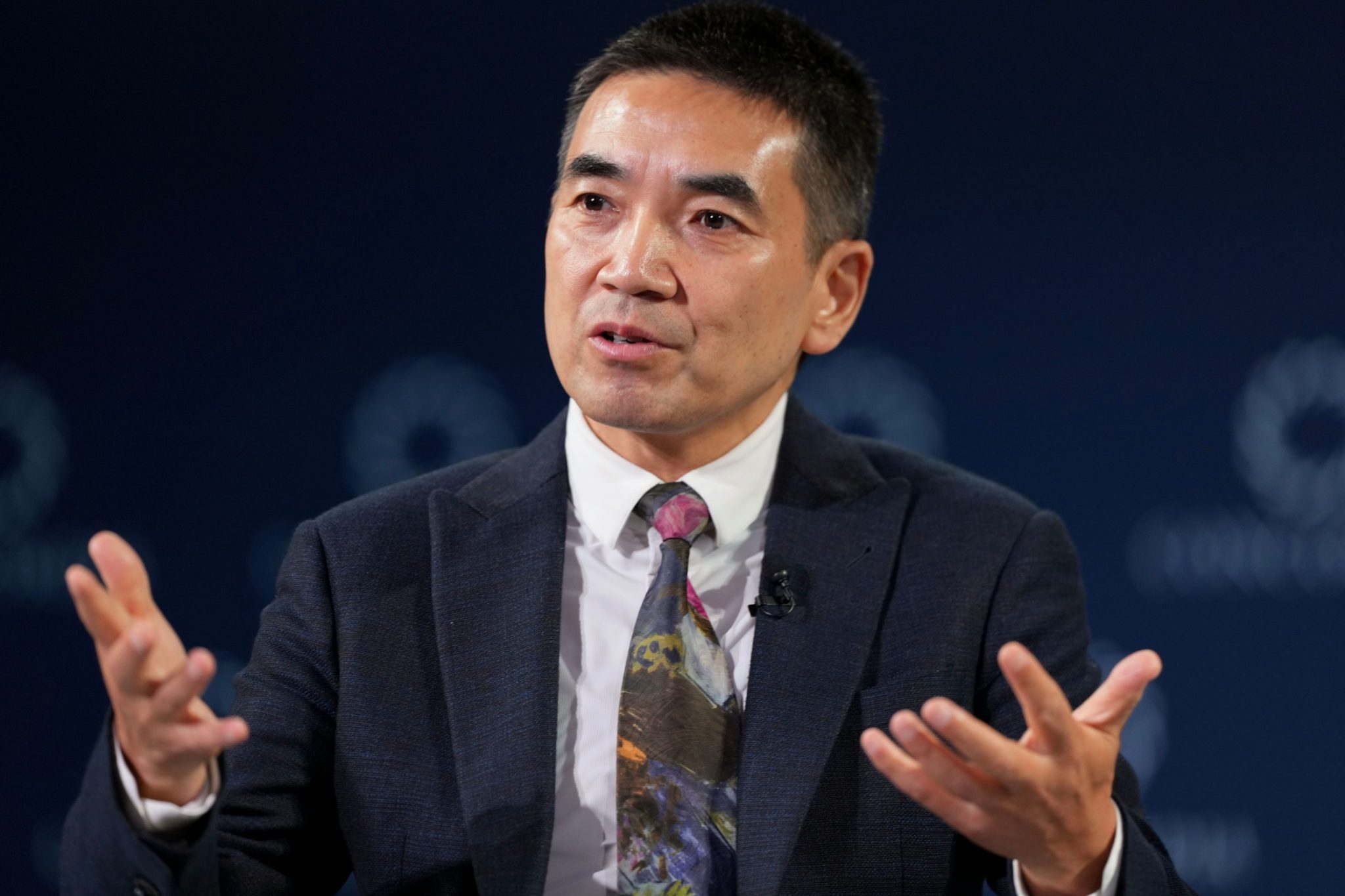
Eric Yuan, the CEO of Zoom, believes that the traditional five-day workweek is no longer necessary. He predicts that within the next five years, most people will only need to work three days a week thanks to advances in artificial intelligence. Yuan argues that AI "agents" will soon handle routine tasks like answering emails and attending basic meetings, giving workers more time for their personal lives. This shift could change how companies operate and how employees balance their professional and private responsibilities.
Main Impact
The biggest impact of this prediction is a complete change in how we define a productive day. For decades, the standard has been a forty-hour week spread over five days. If Yuan is correct, the rise of digital assistants will allow humans to focus only on high-level creative work and social interaction. This would significantly reduce burnout and stress across many industries. However, it also means that businesses must learn how to manage a workforce that relies heavily on technology to get the job done.
Key Details
What Happened
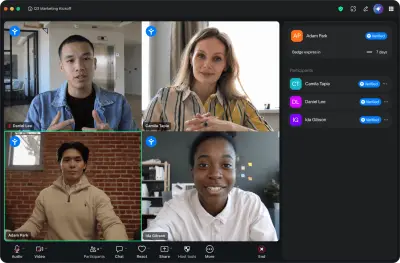
In a recent interview with the Wall Street Journal, Eric Yuan shared his dislike for the current five-day work schedule. He explained that the world is moving toward a future where "digital agents" do the heavy lifting. These are AI programs designed to act on behalf of a person. Yuan has already started testing this idea himself. Last year, he used an AI version of his own face and voice to participate in a financial meeting. He believes that in the near future, an individual might have thousands of these AI agents working for them at once.
Important Numbers and Facts
The timeline for this change is surprisingly short. Yuan expects the three-day workweek to become common by the year 2031. This idea is supported by current worker sentiment. A 2024 study by the American Psychological Association found that 80% of employees believe a shorter workweek would make them happier and more successful. Many advocates are pushing for a "100-80-100" model. This means workers get 100% of their pay for working 80% of the time, as long as they maintain 100% of their usual output.
Background and Context
The idea of shortening the workweek is not a new concept. In the past, major changes in technology led to similar shifts. For example, Henry Ford famously moved his factories from a six-day week to a five-day week after the assembly line made production much faster. Yuan views artificial intelligence as the modern version of the assembly line. Just as machines took over physical labor in the past, AI is now taking over mental labor. This allows humans to step back from repetitive office tasks without losing economic value.
Public or Industry Reaction
Other major business leaders are starting to agree with this vision. Jamie Dimon, the head of JPMorgan Chase, recently said that the next generation might only work three and a half days a week. He believes AI will not only make work easier but also help people live longer and healthier lives. Sam Altman, the CEO of OpenAI, has also encouraged companies to start testing four-day workweeks now. However, some experts warn that simply packing more hours into fewer days—like working four ten-hour days—can actually lead to more fatigue and health problems for staff.
What This Means Going Forward
As AI becomes more advanced, the focus will shift from how many hours a person works to what they actually achieve. Companies will need to create new policies to handle "digital agents" and ensure that workers are still fairly paid even if they spend less time at their desks. There is also a push for governments to get involved by supporting pilot programs that test shorter weeks. The goal is to make sure that as technology does more work, the benefits are shared with the employees rather than just increasing company profits.
Final Take
The move toward a three-day workweek seems more likely than ever as AI technology moves into the mainstream. While the five-day week has been the standard for nearly a century, the tools we use today are far more powerful than those of the past. If leaders like Eric Yuan are right, the future of work will be less about sitting in front of a screen and more about using technology to reclaim our personal time. The transition will take careful planning, but the potential for a better quality of life is clear.
Frequently Asked Questions
When does the Zoom CEO think the 3-day workweek will start?
Eric Yuan predicts that the shift to a three-day workweek will happen within the next five to six years, likely by 2031.
How will AI help people work fewer days?
AI "agents" will be used to handle routine tasks such as writing emails, scheduling, and attending meetings, allowing humans to focus on more important work in less time.
Do other business leaders support a shorter workweek?
Yes, leaders like Jamie Dimon of JPMorgan Chase and Sam Altman of OpenAI have expressed support for shorter work schedules as technology improves productivity.