
Summary
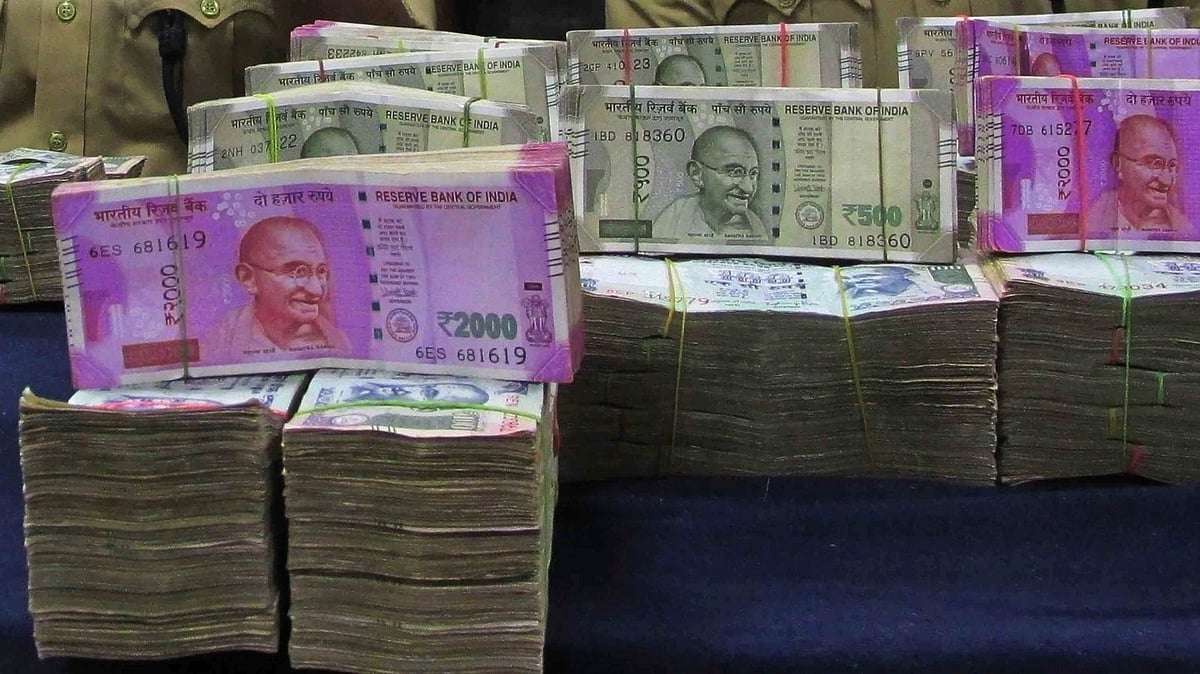
The Indian rupee has reached a new record low, falling to 95.75 against the US dollar. This decline has prompted a serious warning from the government’s Chief Economic Advisor (CEA), V. Anantha Nageswaran. He stated that stopping the currency from falling further is now the most important economic goal for the 2026-27 financial year. The drop is largely caused by rising oil prices and ongoing conflicts in West Asia, which have put immense pressure on India's financial stability.
Main Impact
The weakening rupee is making essential imports much more expensive for India. Because the country buys a large portion of its fuel and fertilizer from abroad, a lower currency value means the government and businesses must spend more money to get the same amount of goods. This situation has forced the government to consider drastic measures to save foreign money. The impact is being felt across the entire economy, from the stock market to the daily spending habits of regular citizens.
Key Details
What Happened
On May 12, 2026, the rupee hit an all-time low of 95.75 during the trading day before finishing at 95.63. Speaking at a major business summit in New Delhi, CEA Nageswaran explained that managing the country’s "current account"—which tracks the money coming in and going out of the country—is now a top priority. He described the current situation as a "live stress test" for India’s finances, meaning the economy is being pushed to its limits by outside forces.
Important Numbers and Facts
The rupee has become the worst-performing currency in Asia so far in 2026. It has lost about 6% of its value since the start of the year and nearly 5% since the conflict in West Asia began. Financial data shows that foreign investors have pulled approximately $23 billion out of Indian markets since the war started. Additionally, experts from BofA Securities warn that India’s current account deficit could rise above 2% of its Gross Domestic Product (GDP), a level that is usually considered risky for the country’s long-term financial health.
Background and Context
To understand why this matters, it is important to look at how India interacts with the global economy. India needs a lot of energy to keep its factories running and its cars moving. Most of this energy comes from imported oil. When global tensions rise, oil prices usually go up. At the same time, if the rupee is weak, India has to pay even more for that expensive oil. This creates a double problem: higher costs for the country and less money left over for other needs.
The CEA pointed out that these problems are not just temporary. He believes the world economy is changing in a way that makes things more expensive for developing nations. These changes include new costs for moving toward green energy and shifts in how countries trade with each other. He warned that India cannot expect the global economy to go back to the way it was before 2020.
Public or Industry Reaction
The reaction to these economic warnings has been swift. The Indian stock market saw a major sell-off, with the Sensex crashing by 1,313 points in a single day. Investors are nervous because the government is now asking people to spend less. Prime Minister Narendra Modi recently asked citizens to practice "austerity." This means he wants people to avoid buying gold, postpone expensive foreign trips, and use less fuel for at least a year.
Financial analysts at firms like Nomura believe these requests from the Prime Minister show that the government is very worried. When a leader asks the public to stop traveling or buying gold, it signals that the country’s foreign exchange reserves—the emergency savings of the nation—are under significant pressure. Some experts believe the economy is reaching a "tipping point" where the government must act quickly to prevent a larger crisis.
What This Means Going Forward
In the coming months, the government will likely focus on reducing the amount of money leaving the country. This could mean a return to some habits seen during the pandemic, such as working from home or holding meetings online to save on transportation costs. The goal is to reduce the demand for imported fuel. If these measures work, it could help stabilize the rupee. However, if oil prices continue to rise or if foreign investors keep taking their money out of India, the government may have to take even tougher steps to protect the economy.
Final Take
India is currently navigating a difficult financial period where global events are directly affecting the value of the local currency. The government has identified the falling rupee as a major threat to national stability and is calling for a collective effort to save foreign exchange. The success of these efforts will depend on whether global tensions ease and how well the Indian public responds to the call for reduced spending on imports.
Frequently Asked Questions
Why is the rupee falling against the dollar?
The rupee is falling because of high global oil prices and the conflict in West Asia. Additionally, many foreign investors are moving their money out of India and into the US dollar, which they see as a safer investment during times of war.
What does "austerity" mean for regular people?
In this context, the government is asking people to spend less on things that require foreign money. This includes buying less gold, traveling less to other countries, and finding ways to use less petrol and diesel.
How does a weak rupee affect the price of goods?
When the rupee is weak, everything India buys from other countries becomes more expensive. This includes fuel, fertilizers, and electronic parts. These higher costs are often passed on to consumers, leading to higher prices in shops and at the petrol pump.