
Summary
Intel is making a major move to lead the future of the chip industry by focusing on advanced packaging technology. The company recently reopened a massive factory in Rio Rancho, New Mexico, which had been mostly empty for over fifteen years. By investing billions of dollars into this site, Intel aims to change how computer chips are built and put together. This strategy is designed to help Intel compete with global rivals and meet the massive demand for artificial intelligence technology.
Main Impact
The biggest impact of this move is Intel’s shift toward becoming a "foundry" for other companies. Instead of only making its own processors, Intel is now positioning itself as a high-tech factory that can build custom hardware for anyone. Advanced packaging is the secret to this plan. It allows Intel to combine different parts from various sources into a single, powerful chip. This approach is much faster and more flexible than traditional manufacturing methods, making it very attractive to tech giants who need specialized chips for AI and data centers.
Key Details
What Happened
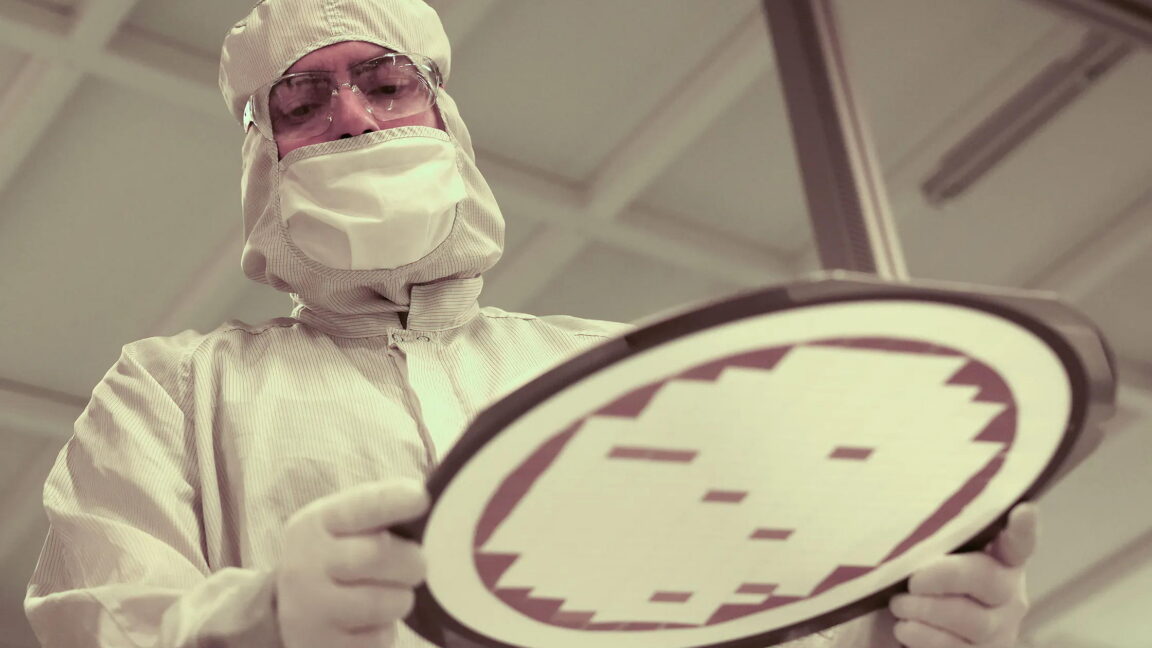
In January 2024, Intel officially restarted operations at a facility known as Fab 9 in New Mexico. This factory was originally built in the 1980s but was shut down in 2007 when Intel faced business challenges. For years, the building sat quiet, and local workers even joked that wild animals like raccoons and badgers had moved into the empty space. Now, the building has been completely transformed into a modern hub for chip assembly. Along with the nearby Fab 11X, this site is now the center of Intel’s advanced packaging work.
Important Numbers and Facts
Intel has poured billions of dollars into the New Mexico site to bring it back to life. A significant portion of this funding came from the US government through the CHIPS Act, which provided $500 million to support domestic chip production. The facility sits on a 200-acre campus that was once a sod farm. By using this space for packaging, Intel is trying to close the gap with Taiwan Semiconductor Manufacturing Corporation (TSMC), which currently leads the world in chip production volume.
Background and Context
To understand why this matters, you have to understand how chips are changing. In the past, a computer chip was usually one single piece of silicon. As technology gets smaller and more complex, making these single large chips has become very difficult and expensive. The industry is now moving toward "chiplets." These are smaller, individual components that each do a specific job. Advanced packaging is the process of taking these chiplets and connecting them together on a single base. It is like building with high-tech Lego blocks. This allows companies to mix and match the best parts to create a custom chip without having to design everything from scratch.
Public or Industry Reaction
The tech industry is watching Intel’s progress closely. For a long time, Intel was seen as a company that was falling behind its competitors in Asia. However, the move into advanced packaging has changed the conversation. Many experts believe that Intel’s focus on US-based manufacturing gives it an advantage, as many companies want to source their chips closer to home to avoid shipping delays or political issues. While TSMC is still much larger, Intel’s rapid growth in the packaging sector shows it is a serious contender again. Major tech firms that are building their own AI software are looking for partners who can help them create the hardware to run it, and Intel is now at the top of their list.
What This Means Going Forward
Looking ahead, Intel plans to make advanced packaging a cornerstone of its business growth. The company is betting that the AI boom will continue to drive a need for more computing power. As more businesses try to build their own custom AI chips, Intel wants to be the primary factory they use. This will require even more investment in new technologies and more factories across the United States. The success of the New Mexico plant will likely serve as a model for how Intel can revive older facilities and turn them into modern manufacturing powerhouses. If this strategy works, it could help the US regain its spot as a leader in global chip production.
Final Take
Intel is no longer just a company that makes CPUs for laptops. By reviving its New Mexico operations and focusing on the complex art of chip packaging, it is transforming into a service provider for the entire tech world. This shift is a bold attempt to reclaim its former glory and secure a spot at the center of the artificial intelligence revolution. The transition from an empty building filled with wildlife to a multi-billion-dollar tech hub shows just how much Intel is willing to spend to win the future of computing.
Frequently Asked Questions
What is advanced chip packaging?
It is a method of combining several smaller chip components, called chiplets, into one single unit. This allows for more powerful and customized chips compared to the old way of making one large, solid chip.
Why did Intel reopen the New Mexico factory?
Intel reopened the factory to focus on its growing packaging business. The site provides the space and infrastructure needed to build the complex chips required for modern artificial intelligence and data centers.
How does the US CHIPS Act help Intel?
The CHIPS Act is a government program that provides money to tech companies to build factories in the United States. Intel received $500 million from this act to help fund its work in New Mexico, which helps create local jobs and strengthens the domestic supply chain.