
Summary
Drivers for ride-hailing apps like Uber and Lyft in Massachusetts have achieved a historic victory by forming the first union of its kind in the United States. This move allows nearly 70,000 gig workers to negotiate for better pay and job security while remaining independent contractors. Labor leaders are calling this the most significant win for private-sector workers in decades. The decision comes at a time when drivers are increasingly worried about rising costs and the future of self-driving technology.
Main Impact
This development changes the rules for the gig economy. For years, companies like Uber and Lyft have argued that their drivers cannot unionize because they are not traditional employees. Massachusetts has now created a legal path that allows these workers to bargain as a group without losing their flexible schedules. This victory is expected to serve as a blueprint for drivers in other states, such as California and Illinois, who are facing similar struggles with low pay and high expenses.
Key Details
What Happened
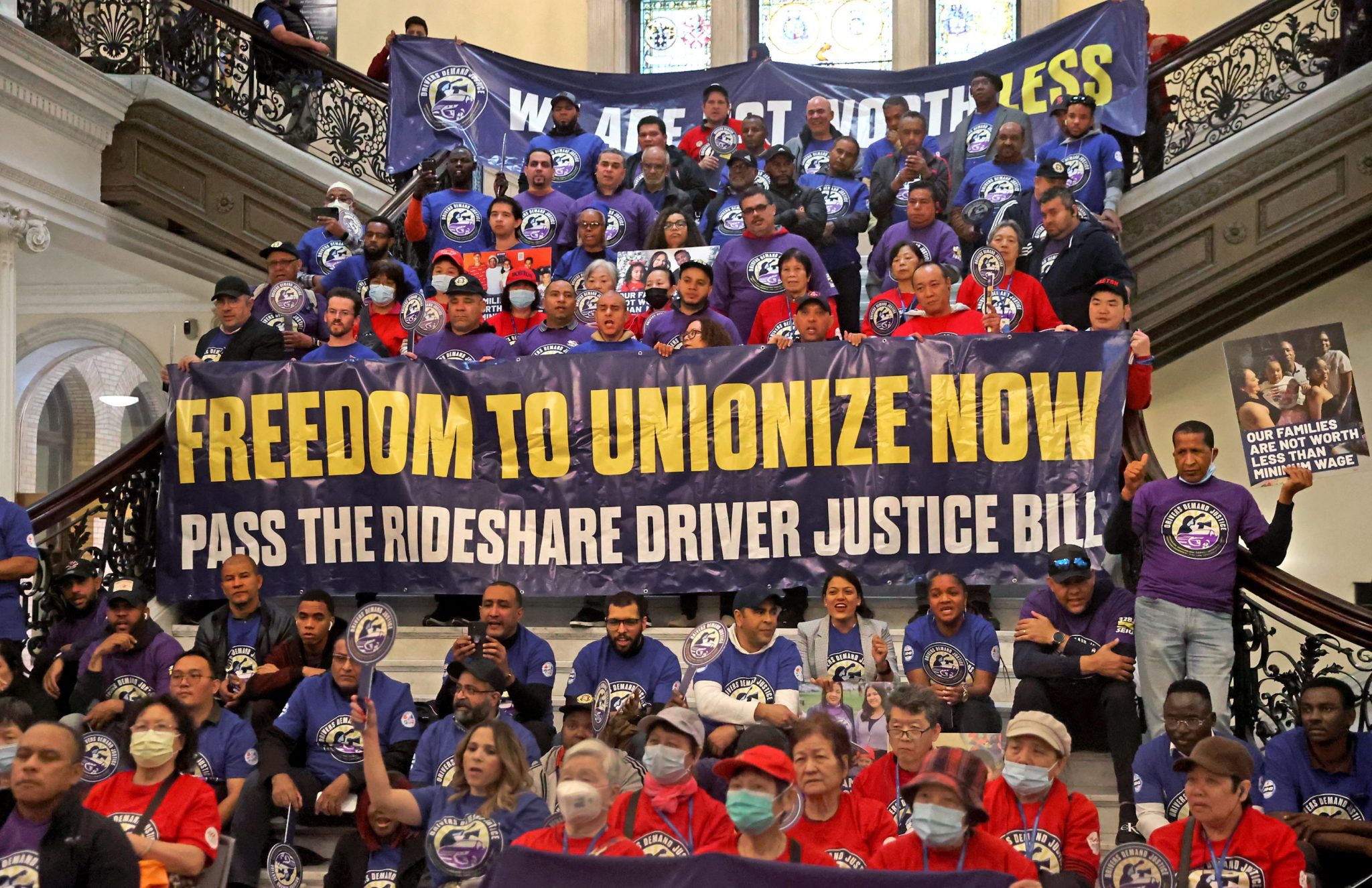
On Tuesday, the App Drivers Union was officially certified in Massachusetts. This was made possible by a 2024 ballot measure where voters approved a new framework for ride-hailing labor. Drivers celebrated the news outside the State House in Boston, marking the end of a long campaign to gain more power over their working conditions. Many drivers shared stories of working long hours just to cover the costs of gas and car maintenance.
Important Numbers and Facts
The union could eventually represent about 70,000 drivers across the state. Labor experts compared the scale of this win to the 1941 unionization of Ford autoworkers, which was a turning point for the American middle class. Under the new rules, drivers will be able to negotiate for higher minimum pay and better protection against being suddenly banned from the apps. Currently, many drivers pay for their own insurance, fuel, and repairs, which can eat up a large portion of their earnings.
Background and Context
The gig economy relies on people using their own cars to provide rides through a digital app. While this offers flexibility, it often leaves workers without the benefits or protections that regular employees receive. In recent years, drivers have reported that their take-home pay has dropped as the apps take a larger cut of the fare. At the same time, the cost of living and vehicle upkeep has gone up. This has led to a growing sense of frustration among workers who feel they are being squeezed by billion-dollar tech companies.
Public or Industry Reaction
Drivers expressed a mix of relief and pride during the announcement. Many spoke about the fear of "deactivation," which happens when an app blocks a driver from working without a clear reason or a way to fight the decision. One driver, Jean Fredo, mentioned that the union would help ensure that money goes to the people doing the hard work rather than just staying with wealthy executives. On the other side, Uber and Lyft have stated they will work with the union in good faith. However, they continue to emphasize that maintaining driver flexibility is their top priority.
What This Means Going Forward
The rise of self-driving cars is a major concern for the new union. In cities like San Francisco and Phoenix, robot taxis are already picking up passengers. While Massachusetts still requires a human to be behind the wheel during testing, drivers fear that fully autonomous cars will eventually replace them. By forming a union now, workers hope to have a say in how this technology is introduced. They want to ensure that human workers are not simply discarded as automation grows. Additionally, state regulators are looking at new safety and environmental rules that could further change how these apps operate.
Final Take
The Massachusetts union win is a clear sign that the gig economy is entering a new era. Workers are no longer willing to accept the risks of independent work without the benefits of collective bargaining. As this model spreads to other states, it will likely force tech companies to rethink how they treat the people who power their platforms. For the drivers in Boston, this is more than just a legal win; it is a step toward a more stable and fair future for their families.
Frequently Asked Questions
Can Uber and Lyft drivers in other states join this union?
No, this specific union certification only applies to drivers in Massachusetts. However, labor organizers hope this success will encourage similar laws and union efforts in other parts of the country.
Will drivers become regular employees now?
No. The legal framework in Massachusetts allows drivers to remain independent contractors. This means they keep their flexible schedules but gain the right to negotiate for better pay and benefits as a group.
How does this affect the price of rides for passengers?
While the union aims to increase driver pay, it is not yet clear if this will lead to higher fares for riders. Uber has warned that some new regulations could raise costs, but the final impact will depend on future negotiations.