
Summary
Memorial Day is a federal holiday in the United States dedicated to honoring military members who died while serving their country. While its primary purpose is solemn remembrance, the day has evolved into the unofficial start of the summer season. Today, many people associate the holiday with long weekend trips, backyard barbecues, and major retail sales. However, the history of the day is much older and more complex than many realize, with roots that stretch back over 160 years to the end of the Civil War.
Main Impact
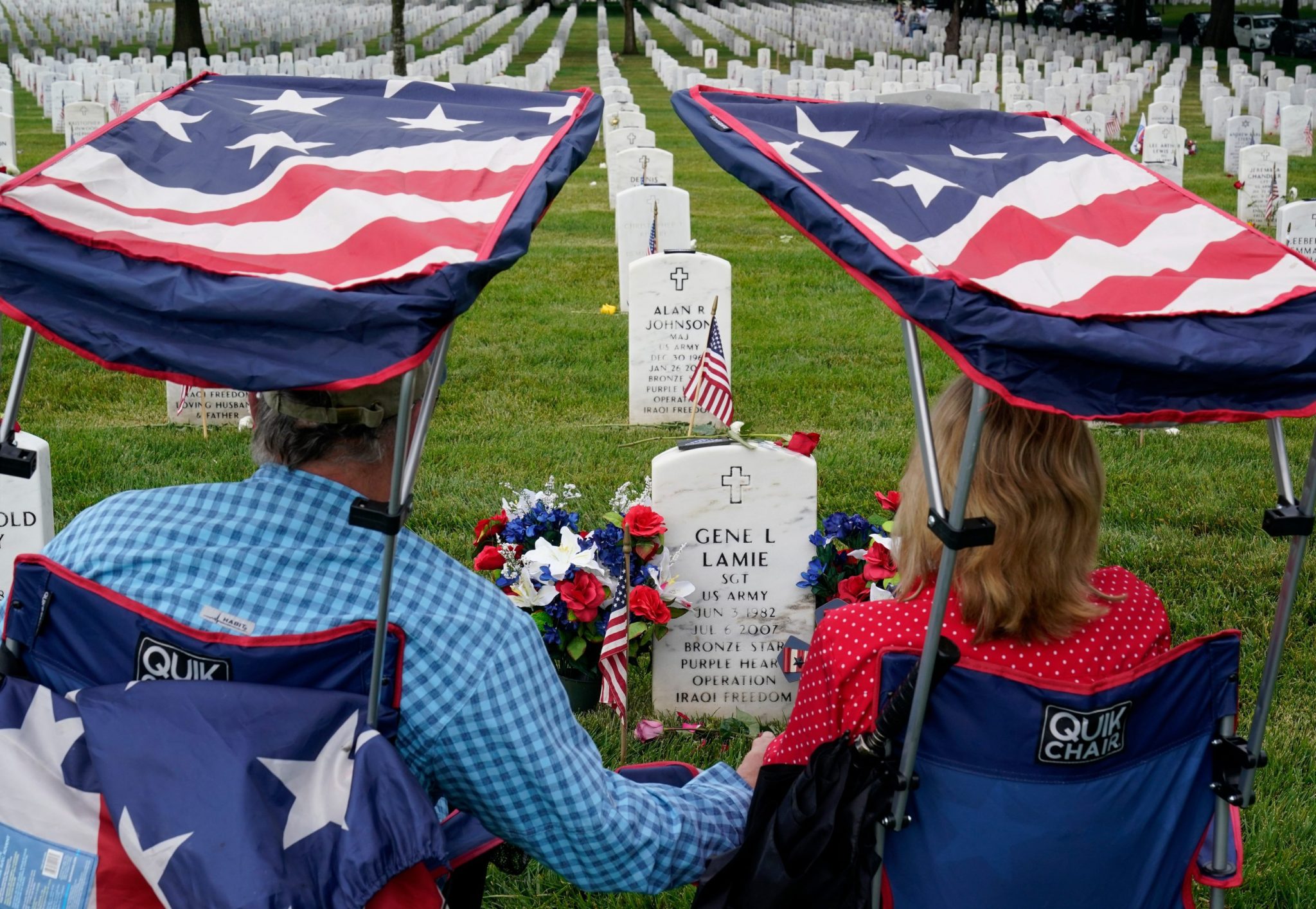
The transformation of Memorial Day from a day of deep mourning into a commercialized three-day weekend has changed how Americans view the holiday. Originally, it was a time for families to visit cemeteries and decorate the graves of fallen soldiers with flowers. Over time, the focus shifted toward leisure and shopping. This change became more permanent in 1971 when the holiday was moved to the last Monday in May. While this created a convenient long weekend for travel, some historians argue it caused the public to lose sight of the holiday's original, sacred meaning.
Key Details
What Happened
The holiday began after the American Civil War, a conflict that resulted in the deaths of more than 600,000 service members. In the years following the war, various communities began holding tributes for the dead. The first national observance took place on May 30, 1868, and was known as Decoration Day. On this day, people were encouraged to place flowers on the graves of Union and Confederate soldiers. While several towns claim to be the birthplace of the holiday, historical records show that early celebrations were happening in many places at once, often led by women and formerly enslaved people.
Important Numbers and Facts
The history of Memorial Day is filled with significant dates and figures that show its growth. In 1866, Waterloo, New York, held a formal event that led to it being named the official birthplace of the holiday. However, a massive gathering in Charleston, South Carolina, on May 1, 1865, is often cited by historians as one of the earliest examples of the tradition. During that event, nearly 10,000 people, many of whom were Black, marched to honor Union prisoners who had died in a mass grave. Another major change occurred in 1971, when the Uniform Monday Holiday Act moved the celebration from May 30 to the last Monday of the month to ensure a three-day weekend for federal employees.
Background and Context
To understand Memorial Day, one must understand the pain of the Civil War. The war divided the nation and left almost every family in mourning. Because so many soldiers died far from home, the act of "decorating" graves became a way for survivors to process their grief. In the South, women’s groups began tending to graves even before the fighting stopped. In the North, veteran organizations pushed for a formal day of remembrance. For many years, the holiday was specifically about the Civil War. It wasn't until after World War I that the day was expanded to honor those who died in all American wars.
Public or Industry Reaction
The shift toward a more relaxed holiday did not happen without criticism. As early as the late 1800s, some people worried that the day was becoming too much about parties and not enough about prayer. Famous figures like Frederick Douglass spoke out, fearing that the nation would forget the true cause of the Civil War—the fight against slavery. By the mid-20th century, as businesses began staying open and holding "Memorial Day Sales," some veterans' groups expressed concern that the solemnity of the day was being traded for profit. Even today, there are annual calls for Americans to observe the National Moment of Remembrance at 3:00 p.m. to bring back the focus on those who served.
What This Means Going Forward
As Memorial Day moves further away from its 19th-century origins, the challenge remains to balance celebration with respect. The travel and retail industries now rely heavily on the holiday weekend to boost the economy. However, there is a growing movement to educate younger generations about the "buried" history of the day, including the role of Black Americans in the first ceremonies. Future observances will likely continue to see a mix of traditional grave-side services and modern holiday activities. The goal for many remains ensuring that the "long weekend" does not completely overshadow the memory of the individuals who gave their lives in service.
Final Take
Memorial Day is more than just a break from work or a chance to find a deal on a new car. It is a day rooted in the hardest chapters of American history. While the way we celebrate has changed over 161 years, the core reason for the holiday stays the same. Taking a moment to remember the human cost of war helps keep the original spirit of the day alive, even in a world that is often focused on the next big sale or summer trip.
Frequently Asked Questions
What was Memorial Day originally called?
It was originally known as Decoration Day. The name came from the practice of decorating the graves of soldiers with flowers, wreaths, and flags to honor their service.
Why does Memorial Day change dates every year?
In 1971, a law was passed to move the holiday to the last Monday in May. This was done to create a consistent three-day weekend for workers, rather than having the holiday fall on a different day of the week each year.
What is the National Moment of Remembrance?
The National Moment of Remembrance is an annual event where Americans are asked to stop what they are doing at 3:00 p.m. local time for one minute of silence. This is meant to show respect for those who died for the country.