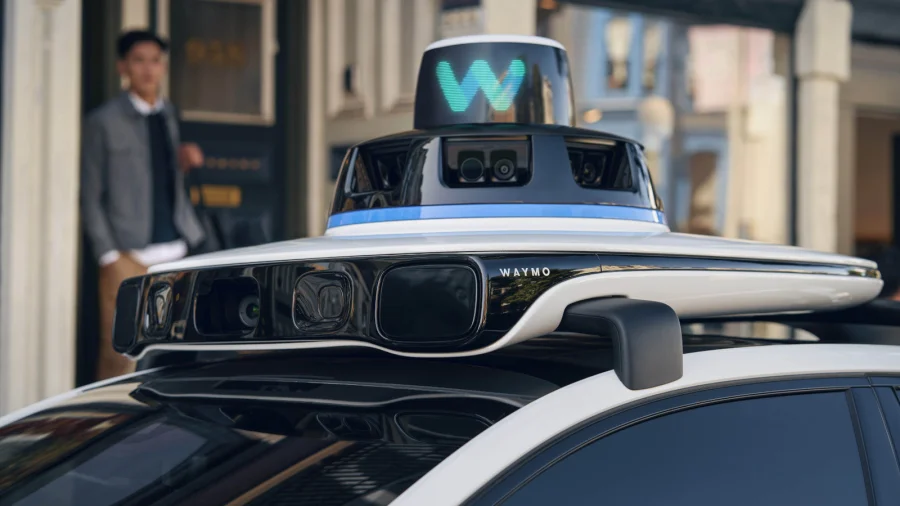

Nevada has officially cleared the way for Uber, Tesla, and Waymo to start charging passengers for robotaxi rides. The state's transportation authorities approved the companies' applications, allowing them to operate commercial autonomous taxi services.
This decision marks a significant step for the autonomous vehicle industry, as it moves from testing phases into real, paid public transportation.
Nevada robotaxi permits approved for Tesla, Uber, and Waymo
The Nevada Transportation Authority unanimously approved three permits that will allow Tesla, Uber, and Waymo to operate commercial robotaxi services. According to a report on Reddit's SelfDrivingCars community, the approval came through on Thursday, giving all three companies the legal go-ahead to charge for rides.
The approval is a major win for the companies, particularly for Tesla and Waymo, who have been pushing to expand their autonomous ride-hailing operations. Uber's involvement also signals a shift, as the ride-hailing giant looks to integrate autonomous vehicles into its existing network.
Las Vegas robotaxi fleet size and limits
Nevada has approved up to 8,000 robotaxis for Tesla, Uber, and Waymo to operate in the state, with Las Vegas being a primary focus. According to Mezha, the approval covers a substantial fleet that could transform transportation in the Las Vegas area.
However, not all companies got exactly what they wanted. Tesla had requested permission to operate 5,000 vehicles, but regulators capped the company's fleet at just 10 vehicles. According to Electrek, this is a significant reduction from what Tesla asked for, suggesting regulators are taking a cautious approach to the rollout.
"The Nevada Transportation Authority unanimously approved three permits Thursday that will allow Tesla, Uber, and Waymo to operate commercial..." — Reddit r/SelfDrivingCars
What this means for autonomous ride-hailing
This approval is a clear signal that Nevada is positioning itself as a hub for autonomous vehicle technology. By allowing these companies to charge for rides, the state is moving beyond pilot programs and into full commercial operation.
- Tesla, Uber, and Waymo can now legally operate paid robotaxi services in Nevada
- The approval covers up to 8,000 robotaxis, with Las Vegas as a key market
- Tesla's fleet is limited to 10 vehicles despite requesting 5,000
- The unanimous vote by the Nevada Transportation Authority shows strong regulatory support
For consumers, this means that autonomous taxis will become a more common sight on Nevada roads. The companies will now compete to offer safe, reliable, and affordable robotaxi services to the public.
Our Take: A cautious but bold step for robotaxis
In our view, Nevada's decision is a balanced approach to a rapidly evolving technology. On one hand, approving up to 8,000 robotaxis shows the state is serious about leading the autonomous vehicle revolution. On the other hand, capping Tesla at just 10 vehicles shows regulators are not willing to let companies rush into the market without proper oversight.
This is the right way to do it. Autonomous vehicles have enormous potential, but public safety must come first. By allowing all three companies to start small and scale up based on performance, Nevada is giving the industry a chance to prove itself while protecting passengers.
For Tesla, the 10-vehicle cap might feel like a setback, but it is a necessary one. The company has faced scrutiny over its Full Self-Driving technology, and a cautious rollout will help build public trust. For Uber and Waymo, this approval is a chance to expand their footprint in a state that clearly wants to be at the forefront of this technology.
The real test now is execution. These companies have the permits, but they need to deliver safe, reliable service. If they do, Nevada could become a model for how other states regulate and deploy autonomous vehicles.