
Summary
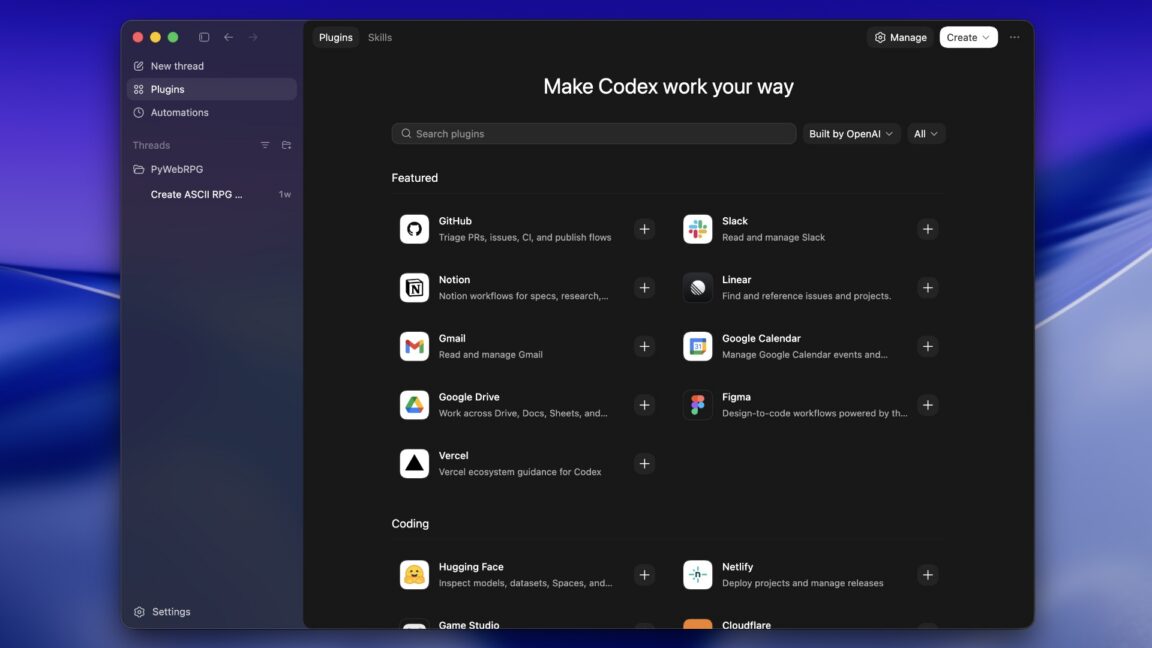
OpenAI has introduced a new plugin system for Codex, its specialized tool for writing and managing computer code. This update allows the software to do much more than just suggest lines of text; it can now connect with other apps and follow specific sets of instructions. By adding these features, OpenAI is working to keep up with rivals like Anthropic and Google, who have recently released similar tools for developers. The goal is to make Codex a more powerful assistant that can handle complex work tasks automatically.
Main Impact
The biggest change is that Codex is moving from being a simple helper to a more active "agent." With the new plugins, the tool can now perform actions across different software programs and follow custom workflows. This is a major step for developers who want to automate the boring parts of their jobs. It also means that companies can create specific rules and tools within Codex that every employee can use, making work more consistent across a whole team.
Key Details
What Happened
OpenAI officially launched plugin support to help Codex compete with tools like Claude Code and Gemini’s command-line interface. These plugins are not just simple add-ons. They are bundles that include three main parts: skills, app integrations, and Model Context Protocol (MCP) servers. "Skills" are essentially pre-written instructions that tell Codex how to handle a specific type of project. App integrations allow Codex to talk to other software, and MCP servers help the AI access data from different sources more safely and easily.
Important Numbers and Facts
The update focuses on three core areas to improve how developers work. First, the use of MCP is a big deal because it is an open standard. This means developers do not have to rewrite their tools for every different AI they use. Second, the "skills" feature allows users to save complex prompts so they do not have to type them over and over again. Finally, the integration feature means Codex can now see and interact with files and tools outside of its own window, which was a major limitation in older versions of the software.
Background and Context
To understand why this matters, it helps to know what Codex is. It is an "agentic" tool, which means it is designed to take action on behalf of a user. In the past, AI was mostly used to answer questions or write short snippets of text. Now, the industry is moving toward "AI agents" that can actually run programs, fix bugs, and manage entire software projects. Other companies have already started doing this. Anthropic recently released Claude Code, which lives inside a developer's terminal, and Google has been adding similar powers to its Gemini AI. OpenAI needed to update Codex to make sure it did not fall behind these competitors.
Public or Industry Reaction
People who write software for a living are generally excited about these changes. The addition of the Model Context Protocol (MCP) is especially popular. Because MCP is becoming a standard in the AI world, it makes it easier for different tools to work together. Industry experts note that this move shows OpenAI is listening to what professional coders need. Instead of just making the AI "smarter" at talking, they are making it more useful for real-world labor. However, some users are still waiting to see how well these plugins work in large, complicated corporate systems where security is a top priority.
What This Means Going Forward
Looking ahead, this update suggests that the future of coding will involve a lot of automation. We are likely to see more "plug-and-play" tools where a developer can simply download a skill pack and have the AI handle a specific task, like building a website or checking for security flaws. This could make software development much faster. However, it also means that developers will need to learn how to manage these AI agents. The focus of a coder's job might shift from writing every line of code to managing the AI that writes the code for them.
Final Take
OpenAI is turning Codex into a versatile platform rather than just a single tool. By allowing plugins and adopting open standards like MCP, they are making it easier for businesses to build their own custom AI assistants. This move keeps OpenAI at the center of the conversation as the race to create the best AI coding partner continues to move fast.
Frequently Asked Questions
What are Codex plugins?
Codex plugins are sets of tools and instructions that allow the AI to connect with other apps, follow specific workflows, and access data more easily to help with coding tasks.
Why did OpenAI add these features?
OpenAI added these features to compete with other AI tools like Claude Code and Gemini, which already offer similar ways for developers to automate their work.
What is the Model Context Protocol (MCP)?
MCP is a standard way for AI models to connect to data and tools. It helps different AI systems work with the same files and databases without needing special code for each one.