
Summary
Nvidia CEO Jensen Huang recently addressed the growing criticism surrounding the company’s latest graphics technology, DLSS 5. Many gamers and tech fans have expressed worry that the new generative AI features will make video games look like "AI slop," a term used for generic or low-quality AI-generated content. During a recent interview, Huang explained that he understands these concerns but argued that Nvidia’s technology is different because it follows the specific designs created by human artists. He believes the tool will improve how games look without losing the original style intended by the developers.
Main Impact
The debate over DLSS 5 highlights a major shift in the video game industry. For years, graphics cards worked by calculating exactly where every light beam and shadow should go. Now, Nvidia is moving toward using artificial intelligence to "imagine" parts of the image. While this makes games run faster and look sharper on paper, it has created a divide between the tech company and its customers. If players feel that AI is taking away the soul of game art, Nvidia could face a significant backlash that affects its reputation as the leader in gaming hardware.
Key Details
What Happened
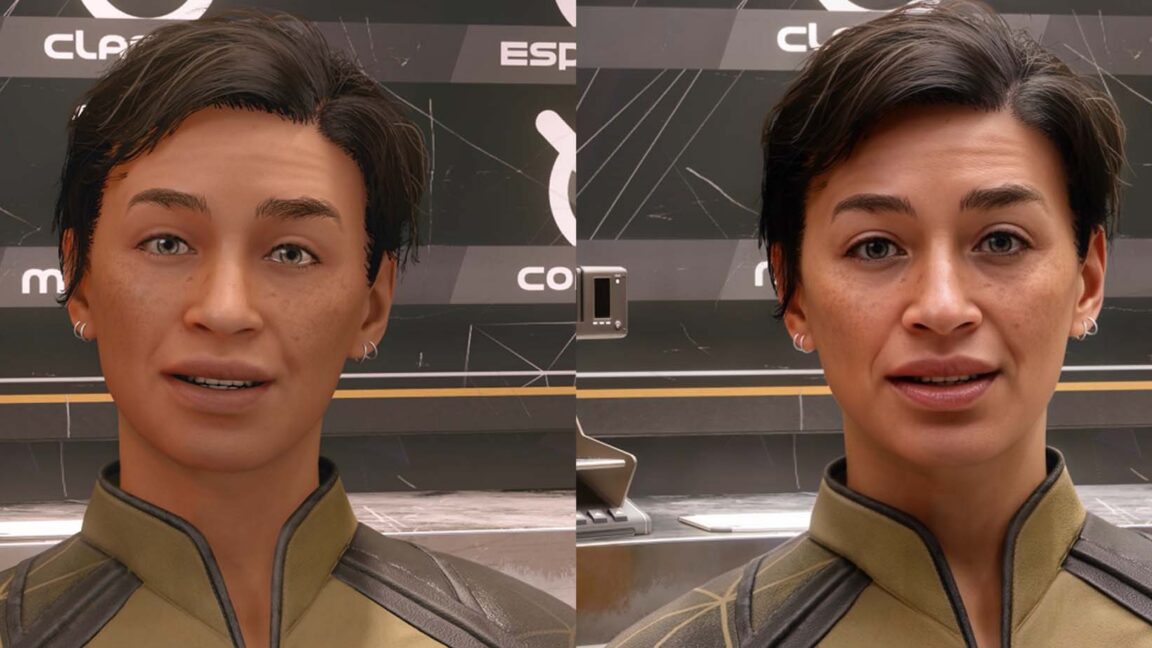
The controversy started when Nvidia showed off how DLSS 5 uses generative AI to enhance gaming scenes. Many people online felt the images looked fake or too much like the filtered photos seen on social media. In a long interview on the Lex Fridman Podcast, Jensen Huang was asked directly about this "drama." He admitted that he also does not like "AI slop" and understands why people are nervous. However, he insisted that DLSS 5 is a professional tool, not a random image generator.
Important Numbers and Facts
DLSS stands for Deep Learning Super Sampling. This is the fifth major version of the software. Earlier versions focused on making low-resolution images look like high-resolution ones. The new version, DLSS 5, goes further by using generative AI to add details that were not there before. Huang pointed out that the system is "3D guided." This means it uses the actual 3D shapes and textures created by game developers as a map. It does not just guess what should be on the screen; it uses the "ground truth" provided by the human artists to make its decisions.
Background and Context
To understand why gamers are upset, it helps to know what "AI slop" means. In the last year, the internet has been flooded with AI-generated images that often look very shiny and perfect but lack small details or have strange errors. Gamers pride themselves on appreciating the hard work that artists put into building digital worlds. They fear that if a computer starts "filling in the blanks," the unique look of a game will disappear. They worry that every game will start to look the same because they are all using the same AI filters.
Nvidia has been the pioneer of this technology. They first introduced DLSS to help people play demanding games on older computers. By letting the AI do some of the work, the computer doesn't have to work as hard, which leads to smoother gameplay. As the technology has evolved, Nvidia has given the AI more power to create frames and pixels from scratch.
Public or Industry Reaction
The reaction from the gaming community has been mostly negative so far. On social media and gaming forums, users have shared side-by-side comparisons of original game art versus the AI-enhanced versions. Many argue that the AI versions look "oily" or "smudged." Some critics say that Nvidia is trying to fix a problem that doesn't exist, suggesting that they would rather have lower resolution than fake-looking details.
Industry experts are also watching closely. Some developers are excited because this technology could allow them to create massive, beautiful worlds without needing a massive team of artists to polish every single corner. However, others worry that it might lead to lazy game design where companies rely on AI to fix messy graphics instead of finishing the game properly.
What This Means Going Forward
Nvidia is clearly committed to AI, but they now know they have a communication problem. Jensen Huang’s comments suggest that the company will try to give more control back to the artists. If DLSS 5 can be tuned so that it strictly follows the artist’s vision, it might eventually win over the skeptics. The next few months will be vital as more games start to support the technology. Players will be looking closely to see if the AI makes mistakes, such as adding extra fingers to characters or making textures look like plastic.
Final Take
The move toward AI in gaming is likely impossible to stop, but the quality of that AI is what matters most. Jensen Huang is trying to convince the world that Nvidia’s AI is a helper for artists, not a replacement for them. For DLSS 5 to succeed, it must prove that it can make games look better without making them look fake. The balance between computer-generated speed and human-made art is the new frontier for the gaming world.
Frequently Asked Questions
What is DLSS 5?
DLSS 5 is the latest version of Nvidia's software that uses artificial intelligence to improve game graphics and performance. It can create new details and frames to make games run smoother and look sharper.
Why are gamers calling it "AI slop"?
Gamers use this term to describe AI-generated content that looks generic, fake, or low-quality. They are worried that the AI will change the original look of the game and make everything look the same.
How does Nvidia say DLSS 5 is different from other AI?
Nvidia CEO Jensen Huang says DLSS 5 is "3D guided." This means it uses the actual shapes and designs made by the game's artists as a guide, rather than just making up new images from nothing.