

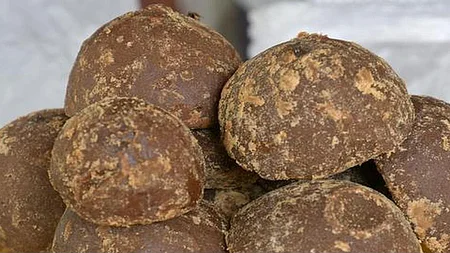

Palm jaggery prices have risen sharply across southern Tamil Nadu after inadequate rainfall reduced production and tightened supplies during the current season. The downturn has hit the traditional palmyra industry, which supports thousands of workers in Ramanathapuram, Thoothukudi, Tirunelveli and Tenkasi districts.
Why Palm Jaggery Production Has Fallen in Tamil Nadu
Those involved in the trade have attributed the decline to poor rainfall associated with El Niño conditions. The weather pattern has brought less rain than usual, and that has directly affected the health and yield of palmyra trees.
According to The New Indian Express, the district traditionally produces around 1,000 tonnes of palmyra jaggery annually and is also among the state's leading producers of palmyra sugar.
Impact on Workers in Ramanathapuram Villages
Ramanathapuram is home to one of Tamil Nadu's largest concentrations of palmyra trees and is a major producer of palm jaggery. Thousands of workers in villages such as Sayalgudi, Narippaiyur, Mariyur, Kannirajapuram, Melachelvanur and Malattar depend on the industry for their livelihoods.
Workers begin tapping palmyra trees for padaneer, a naturally sweet sap, early in the season. The sap is then boiled and moulded into jaggery — a process that has remained largely unchanged for generations.
The production drop has been severe for many farmers. According to Express TN, poor rainfall and unseasonal showers have slashed production. What was once 20 kg of jaggery a day has dropped to just 6–7 kg for many farmers.
Palm Jaggery Price Rises to Rs 350 Per Kg
The supply crunch has pushed prices upward. Palm jaggery prices have climbed to Rs 350 per kg in the region, according to ChiniMandi. The price rise reflects the tighter supplies caused by the rainfall shortfall.
"Rain affects palm jaggery output in Ramnathapuram, price rises to Rs 350/kg." — The New Indian Express
The combination of lower production and higher prices creates a difficult situation for the industry. While higher prices might seem like good news for producers, the sharp drop in volume means many workers are earning far less than in a normal season.
What This Means for the Palmyra Industry
The current season's problems highlight how dependent the traditional palmyra industry is on weather patterns. When rainfall is weak, the trees produce less sap, and that directly translates into lower jaggery output.
The districts affected — Ramanathapuram, Thoothukudi, Tirunelveli and Tenkasi — together support a large workforce that has few alternative sources of income. For these workers, a bad season does not just mean lower earnings; it can mean no earnings at all for extended periods.
Our Take: A Reminder of Climate Risk for Traditional Industries
To put it plainly, this is a clear example of how climate conditions can disrupt a traditional industry that has little protection against weather shocks. The El Niño-linked rainfall shortfall has exposed the vulnerability of the palmyra jaggery trade.
In our view, the situation calls for attention beyond just this season's price movements. Workers in these villages need support systems that can help them weather bad seasons. Whether that means better storage facilities, alternative income programmes, or improved irrigation for palmyra groves, the industry cannot keep relying on good rainfall year after year.
For consumers, the higher prices are a direct consequence of the supply squeeze. But for the thousands of workers in southern Tamil Nadu who depend on palm jaggery for their livelihoods, the problem is far more serious — it is about their ability to earn a living at all.