
Labour unrest is growing in Surat, one of India's biggest manufacturing hubs. Gujarat Police detained around 70 workers from embroidery units who had gathered outside the Surat collector's office to demand higher wages and weekly holidays. The crackdown has made an already tense situation worse and triggered a large exodus of migrant workers ahead of Diwali and Chhath Puja.
Surat Textile Workers Protest: What Happened at the Collector's Office
The workers had come together to press their demands. They wanted Sunday off, an 8-hour shift, and better pay. Authorities said the workers had not obtained permission for the protest, which is why police moved in to detain them.
According to The New Indian Express, video footage showed police using lathis to detain and assault workers. That heavy-handed response did not calm things down. Instead, it worsened an already volatile situation in the city.
Dozens of workers were detained by local police before they could even start their protest. The detentions came as workers were preparing to raise their demands collectively.
Why Surat's Migrant Workers Are Leaving Before Diwali and Chhath Puja
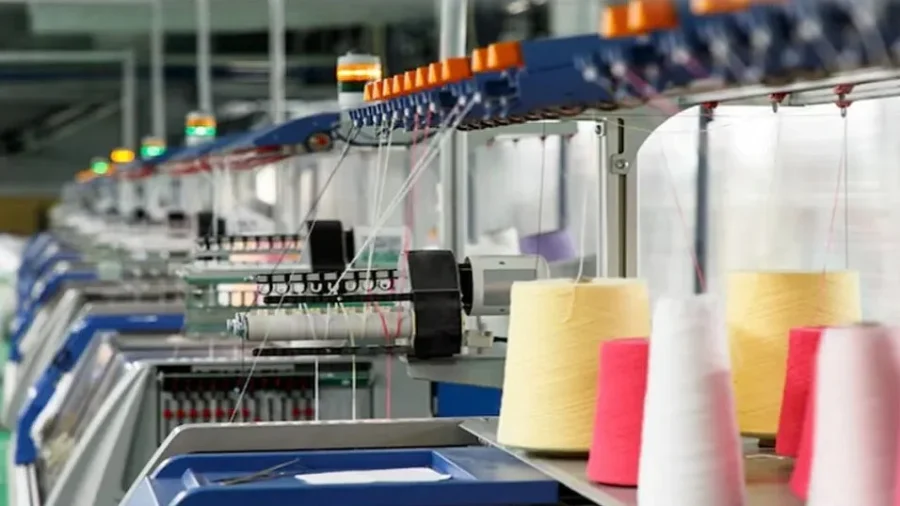
The crackdown has had a direct effect on Surat's workforce. A massive exodus of migrant workers is underway ahead of Diwali and Chhath Puja. Many of these workers come from other states and power Surat's textile and embroidery units.
To put it plainly, the timing matters. Diwali and Chhath Puja are when many migrant workers travel home anyway. But the unrest and the police action have clearly pushed more workers to leave early — and that is a warning sign for the units that depend on them.
- Around 70 workers were detained from embroidery units in Surat
- The protest took place outside the Surat collector's office
- Workers demanded higher wages, Sunday off, and 8-hour shifts
- Police said no permission had been taken for the protest
- Video footage reportedly showed lathis being used on workers
Gujarat Model Under Strain: What the Surat Labour Unrest Means
The headline framing is political, and it is hard to miss. Surat sits at the heart of Gujarat, the state that the Modi-Shah leadership has long held up as a model of development and industrial peace. Labour unrest on this scale, with videos of lathi charges circulating, directly challenges that image.
The story here is simple. Workers asked for basic things — a weekly holiday, a fixed 8-hour shift, and better wages. The state's response was detention, not negotiation. That is the gap the "Gujarat model" now has to answer for.
Our Take: A Crackdown Is Not a Solution
In our view, this is a story about how not to handle worker grievances. The demands raised in Surat were not extreme. A weekly holiday and an 8-hour shift are basic labour protections. When workers gather peacefully to ask for them, the answer should be a conversation, not a lathi charge.
The reported use of force has already backfired. It has pushed migrant workers to leave the city right before the festive season, which will hurt the very units the state wants to protect. Detaining workers may silence a protest for a day, but it does not solve the problem that caused it.
For readers, the message is direct. Surat's textile workers are the backbone of a major export hub. If their basic demands keep getting met with police action, the unrest will not stay in Surat. It will spread, and it will cost Gujarat far more than a wage hike ever would.
Sources & References
- The New Indian Express — report on the Surat police crackdown, including video footage of lathi use on workers