
Summary
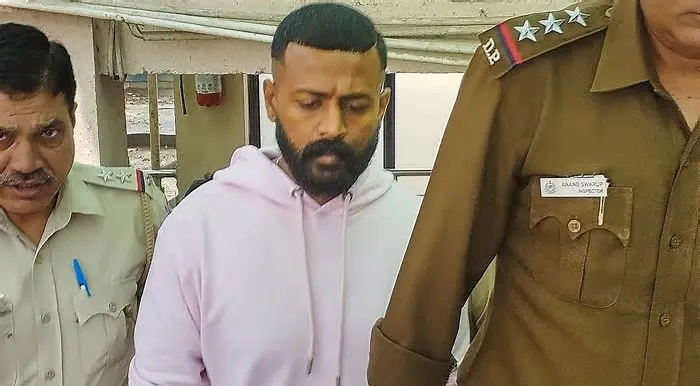
The Delhi Police have arrested the son of the founder of the famous restaurant chain Khan Chacha. Mohammad Javed, aged 49, was taken into custody for his alleged involvement in a cyber fraud case worth Rs 54 lakh. Investigators say he allowed criminals to use a bank account linked to the restaurant to move illegal money. This case has gained significant attention because of the popularity of the food brand involved.
Main Impact
This arrest highlights a growing trend where legitimate business accounts are used to hide the tracks of online scammers. By using an established business name, criminals try to avoid drawing the attention of bank security systems. The impact of this case is twofold: it damages the reputation of a well-known Delhi brand and serves as a warning to other business owners about the dangers of "renting out" their bank accounts for a quick profit.
The police are now looking into a much larger network of cyber criminals. They believe that the individuals arrested were just one part of a bigger group that steals money from people across the country. This investigation could lead to more arrests as the police track where the rest of the money went.
Key Details
What Happened
According to the police, Mohammad Javed and another man named Mohammad Salim allowed their business bank account to be used by cyber fraudsters. The account was originally created for the legitimate operations of the Khan Chacha restaurant and its catering services. However, the accused were reportedly facing financial problems and looking for ways to make extra money.
They were introduced to people who needed a place to park stolen funds. In exchange for letting these criminals use the restaurant's account, Javed and Salim allegedly received a commission of 2 to 3 per cent on every transaction. The criminals would deposit stolen money into the account and then quickly move it to other locations to make it harder for the police to find.
Important Numbers and Facts
The investigation has uncovered several key pieces of information regarding the scale of the fraud:
- Total Amount: Approximately Rs 54 lakh was moved through the account before the police took action.
- Commission Rate: The accused reportedly charged a fee of 2% to 3% for each illegal transaction.
- Age of Accused: Both Mohammad Javed and Mohammad Salim are 49 years old.
- Evidence Seized: Police recovered mobile phones and SIM cards that were used to coordinate the money transfers.
- History: The Khan Chacha brand was established in 1972 and is one of the most famous names in the Delhi food scene.
Background and Context
Khan Chacha is a household name in North India, especially in Delhi. It started as a small shop in Khan Market and became famous for its meat rolls and kebabs. Over the decades, it grew into a large chain with many outlets. Because the brand is so well-known, the news of the founder's son being involved in a crime has surprised many regular customers and the general public.
Cyber crime has become a major issue in India. Scammers often use "money mules"—people who let others use their bank accounts to move stolen cash. Often, these account holders think they are just making easy money and do not realize they are helping in a serious crime. In this case, the police say the financial struggles of the restaurant owners led them to make this illegal deal.
Public or Industry Reaction
The reaction from the public has been one of shock, as Khan Chacha is seen as a symbol of Delhi's food culture. On social media, many people expressed their disappointment that such a successful family business would be linked to online scams. Meanwhile, the restaurant industry is taking this as a lesson to be more careful with financial management and banking security.
Senior police officials have used this arrest to send a clear message to the public. They warned that sharing bank account details or giving control of an account to strangers is a crime. Even if the account holder does not personally steal the money, they are still legally responsible for any illegal activity that happens through their account.
What This Means Going Forward
The investigation is far from over. The Delhi Police are currently working with the Indian Cyber Crime Coordination Centre to analyze digital evidence. They are looking at deleted messages and call records to find the main leaders of the fraud ring. This center helps coordinate between different states, as cyber criminals often operate across borders.
For the Khan Chacha brand, the road ahead will be difficult. They will need to work hard to regain the trust of their customers. For the legal system, this case might lead to stricter rules on how business accounts are monitored. Banks may start looking more closely at accounts that suddenly show large transactions that do not match their usual business activity.
Final Take
This case shows that no one is above the law, regardless of how famous their family or business might be. It is a sad turn of events for a brand that took decades to build. The situation serves as a strong reminder that trying to solve money problems through illegal shortcuts will eventually lead to serious consequences. Protecting your bank details is not just about your own money; it is about making sure you are not accidentally helping criminals hurt others.
Frequently Asked Questions
Why was the son of the Khan Chacha founder arrested?
He was arrested for allegedly allowing cyber criminals to use his restaurant's bank account to move Rs 54 lakh in stolen money in exchange for a small commission.
What is a "money mule" in cyber crime?
A money mule is someone who lets criminals use their bank account to receive and transfer stolen money. This helps the criminals hide their identity from the police.
What should I do to avoid being involved in such fraud?
Never share your bank account details, passwords, or OTPs with anyone. Do not agree to let strangers use your account for transactions, even if they offer you a payment or commission.
Photo courtsy -MSN