

Summary
The Punjab government has recently approved a new policy that allows landowners to use heavy machinery to clear sand and mud from rivers and streams. This process, known as desilting, is intended to help prevent flooding as the monsoon season approaches. However, the decision has sparked a major political and legal row across the state. Critics and opposition leaders argue that this move is a clever way to ignore environmental protection rules set by the National Green Tribunal. They fear that instead of protecting farms from floods, the policy will actually help illegal mining operations grow.
Main Impact
The biggest impact of this decision is the potential for widespread environmental damage under the guise of flood prevention. By allowing private landowners to use machines in riverbeds, the government has changed how sand and gravel are managed in the state. While the goal is to clear water paths, many believe this will lead to uncontrolled digging. This could weaken riverbanks, destroy natural habitats for fish and birds, and ruin nearby agricultural land. Furthermore, it sets up a direct legal fight between the state government and national environmental authorities who have already banned similar activities in the past.
Key Details
What Happened
On Friday, the AAP-led government in Punjab gave the green light for a new desilting policy. This policy gives farmers and people who own land near rivers the right to use machines to remove material that blocks water flow. The government says this is a necessary step to make sure that heavy rains do not cause rivers to overflow and destroy crops. They claim that by clearing these paths now, the water will stay within the riverbanks during the rainy season. However, this permission was granted without a new scientific study to see if the work is actually needed in every location.
Important Numbers and Facts
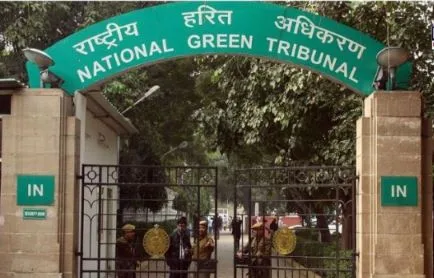
The National Green Tribunal (NGT) had previously stopped the state from carrying out desilting projects. This was because the state had not completed a mandatory Environmental Impact Assessment. This assessment is a detailed report that explains how digging will affect the earth and water. According to the Supreme Court of India, no one can take sand or gravel from a river for commercial use without this report. The Punjab government tried to ask the Supreme Court to lift the NGT's ban, but they did not win that case. This new policy is seen by many as a way to get around those specific court orders.
Background and Context
Desilting is the act of removing the buildup of sand, dirt, and rocks from the bottom of a river. Over time, this buildup makes the river shallow, which can lead to floods. In Punjab, however, sand is a very valuable material used in building and construction. Because sand is worth a lot of money, "illegal mining" has become a huge problem. People often dig up more sand than they are allowed to and sell it for a high profit. This is why the NGT and the Supreme Court have very strict rules about who can dig in rivers and how they must do it. Without these rules, rivers can be permanently damaged, leading to even worse floods in the future.
Public or Industry Reaction
The reaction to this policy has been very negative from opposition parties and local activists. KP Rana, a former speaker of the Punjab Assembly, pointed out that the government did not check if desilting was even necessary before giving permission. He warned that the "mining mafia" has already bought land near rivers just so they can use this new rule to dig and sell sand legally. The BJP also spoke out, with state vice-president Subhash Sharma calling the move a clear attempt to break environmental laws. He promised that his party would fight the decision in court.
At the local level, villagers are also worried. In the Ropar district, some village leaders say that illegal mining is already a problem in their area. They fear that bringing in more heavy machines will ruin their soil and make their land useless for farming. They remember the damage from last year's floods and believe that messy digging will only make the situation more dangerous when the rains come this year.
What This Means Going Forward
In the coming weeks, this policy will likely face many legal challenges. Environmental groups and political rivals are expected to take the matter back to the courts or the NGT. If the courts decide the policy is illegal, the government may have to stop all work immediately. On the ground, there is a high risk of conflict between local residents and those using machinery. The government will need to show that they are monitoring these sites very closely to ensure that only necessary desilting is happening and that no sand is being sold illegally. If they fail to do this, the environmental cost could be seen for many years.
Final Take
Protecting people from floods is a vital job for any government, but it must be done the right way. By bypassing environmental studies and court stays, the Punjab government has created a situation where the cure might be worse than the problem. Without strict oversight and scientific proof, this policy risks turning river protection into a gold mine for illegal operators. The health of Punjab's rivers and the safety of its farmers depend on following the law and respecting the natural balance of the water systems.
Frequently Asked Questions
What is desilting?
Desilting is the process of removing sand, mud, and rocks from the bottom of a river or stream. This is done to make the water deeper so it can hold more rain and prevent flooding.
Why are people against the new policy?
Critics believe the policy is a way to allow illegal sand mining. They are also worried because the government did not perform the required environmental studies before allowing heavy machines to be used.
What did the courts say about this before?
The National Green Tribunal (NGT) had previously banned desilting in several parts of Punjab. They ruled that the state must first study how the digging would affect the environment before any work could start.