
Summary
A high-level team from the Ravi-Beas Waters Tribunal recently visited the Salhawas pump house in Jhajjar, Haryana. The group, led by former Supreme Court and High Court judges, inspected the local irrigation and water supply systems. This visit was part of an ongoing effort to review how water from the Ravi and Beas rivers is shared between neighboring states. The main goal was to see if the current infrastructure can handle the water levels that Haryana claims it should legally receive.
Main Impact
The inspection marks a significant step in the long-standing water dispute between Haryana, Punjab, and Rajasthan. By visiting the site in person, the tribunal can better understand the physical reality of the water supply network. Haryana officials used this opportunity to show that they have the necessary systems in place but are not receiving their full share of water. This could influence future legal decisions regarding how much water is sent to the state’s farmers and residents.
Key Details
What Happened
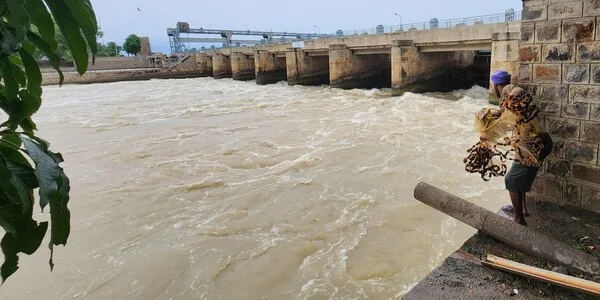
The delegation spent time at the Salhawas village pump house to look at the Jawaharlal Nehru Lift Canal system. This system is designed to move water to areas that are higher than the water source. The group included 55 members from three different states, showing the high level of interest in this matter. During the walk-through, the judges and officials looked at the pumps, the canal walls, and the management tools used to track water flow. Engineers gave a presentation to explain the history of the site and the problems they face today.
Important Numbers and Facts
The state of Haryana is legally entitled to 3.51 million acre-feet (MAF) of water from the Bhakra dam. An acre-foot is a common way to measure large amounts of water; it is the amount of water needed to cover one acre of land in one foot of water. Although the infrastructure to use this water was built back in 1979, the state claims it has never received the full amount. The visiting group was led by Justice Vineet Saran, with support from Justice P Naveen Rao and Justice Suman Shyam.
Background and Context
Water sharing is a very important issue in Northern India because the region relies heavily on farming. The Ravi and Beas rivers provide essential water for crops like wheat and rice. Because these rivers flow through multiple states, there are often disagreements about who gets the most water. The Ravi-Beas Waters Tribunal was set up to handle these disputes and ensure that every state gets a fair amount based on legal agreements. In this case, Haryana has argued for decades that it has done its part by building canals and pump houses, but the actual water supply has stayed low due to various delays and disagreements with neighboring areas.
Public or Industry Reaction
Local officials and engineers in Haryana were eager to present their case to the tribunal. They highlighted that the lack of water affects the productivity of local farms. During the visit, the atmosphere was professional and focused on facts. To show their commitment to the environment, the members of the delegation planted young trees at the pump house. This act was meant to remind everyone that managing water is not just about politics, but also about protecting nature and ensuring a steady future for the community.
What This Means Going Forward
The information gathered during this inspection will be used by the tribunal to make further recommendations. If the tribunal finds that Haryana’s infrastructure is ready and efficient, it may put more pressure on the authorities to release the full 3.51 MAF of water. For the people of Jhajjar and the rest of the state, this could eventually mean more reliable water for their fields and homes. However, any change in water flow usually requires cooperation from other states, so more discussions are expected in the coming months.
Final Take
This visit shows that the search for a fair solution to the water crisis is still moving forward. By looking at the pumps and canals in person, the tribunal is moving beyond paperwork to see the real-world needs of the state. While the legal battle has lasted for many years, these direct inspections are vital for making sure that any final decision is based on the actual capacity of the irrigation system.
Frequently Asked Questions
What is the Ravi-Beas Waters Tribunal?
It is a legal body formed to decide how water from the Ravi and Beas rivers should be divided among the states of Punjab, Haryana, and Rajasthan.
Why is the Salhawas pump house important?
It is a key part of the Jawaharlal Nehru Lift Canal system, which helps move water to dry areas in Haryana that would otherwise not have enough for farming.
How much water is Haryana asking for?
Haryana is asking for its legal share of 3.51 million acre-feet (MAF) of water, which was agreed upon years ago but has not been fully delivered.