
Summary
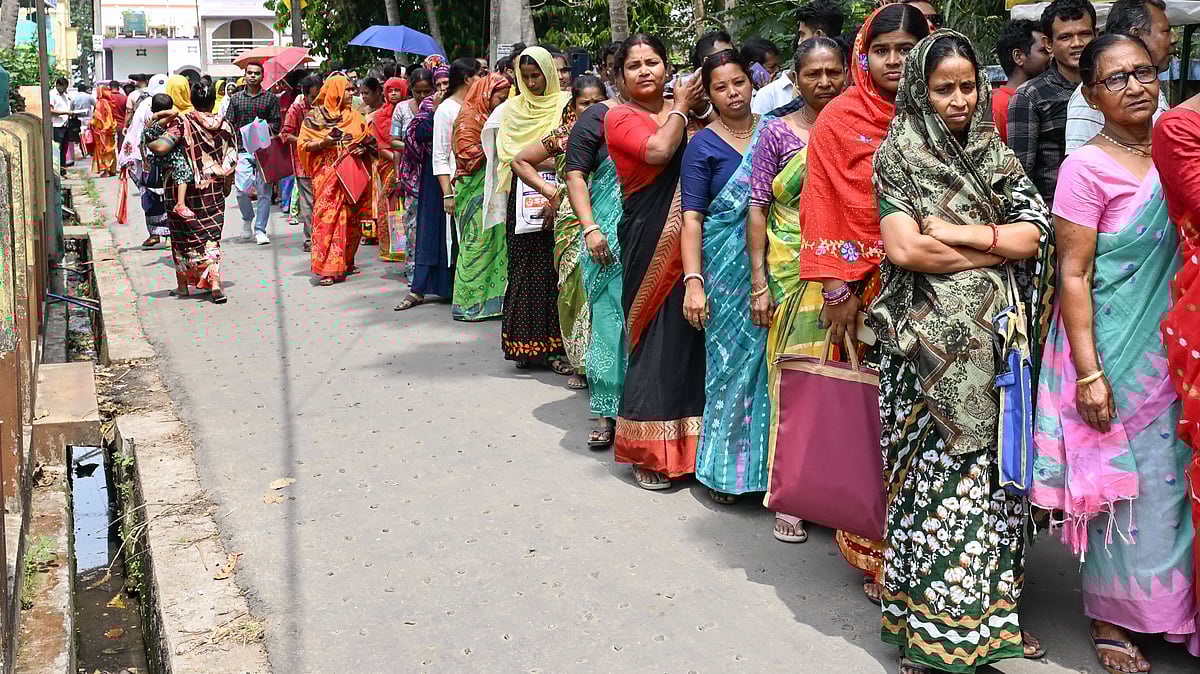
Nearly 91 lakh names have been removed from the voter lists in West Bengal following a major review process. This exercise, known as the Special Intensive Revision (SIR), has finished just weeks before the state begins its assembly elections on April 23. The scale of these deletions has turned a routine administrative task into a massive political controversy. Many people are concerned that this move could prevent millions of legitimate citizens from casting their votes.
Main Impact
The removal of such a large number of voters has a direct impact on the upcoming elections. According to data from the Election Commission, over 11.85 percent of the state's total voter base has been cleared from the rolls. This is not just a small update; it is a significant change that could alter the results in many areas. The impact is felt most strongly among minority groups and marginalized communities, who make up a large portion of the deleted names. This has led to fears that certain groups are being silenced right before they were supposed to head to the polls.
Key Details
What Happened
The Election Commission carried out the SIR exercise to verify the accuracy of the electoral rolls. During this process, officials looked closely at millions of names that were flagged for review. After a period of judicial scrutiny, a final decision was made to delete nearly 91 lakh names. While the goal of such reviews is usually to remove people who have died or moved away, the high percentage of removals in specific regions has caused alarm. In many cases, nearly half of the names that were being checked were eventually taken off the list.
Important Numbers and Facts
In October 2025, West Bengal had a total of 7.66 crore voters. The recent review focused on about 60.06 lakh names that were "under adjudication," meaning they were being legally questioned. Out of those, 27.16 lakh names were removed, which is a deletion rate of over 45 percent for that specific group. When combined with other deletions across the state, the total number of removed voters reached nearly 91 lakh.
The data shows that the deletions were very high in specific districts:
- Murshidabad: 4.55 lakh names were removed out of 11 lakh under review.
- Nadia: This area saw a massive 77.86 percent deletion rate among names under review.
- North 24 Parganas: Over 3.25 lakh names were deleted.
- Malda: About 2.39 lakh names were taken off the list.
- Cooch Behar: More than half of the voters under scrutiny in this district were removed.
Background and Context
Maintaining an accurate voter list is a standard part of any democracy. It ensures that only eligible people vote and prevents fraud. However, in West Bengal, this process is often linked to sensitive issues like migration and identity. The state shares a border with Bangladesh, and there have long been debates about who is a legal citizen. Because of this history, any large-scale change to the voter list is seen through a political lens. The SIR exercise was meant to be a technical cleanup, but it has happened at a time of high political tension, making people suspicious of the motives behind the deletions.
Public or Industry Reaction
The reaction from political leaders has been sharp and divided. Chief Minister Mamata Banerjee has criticized the move, calling it a targeted attack on specific communities. She argued that the deletions focus on the Matua and Rajbanshi communities, as well as religious minorities. She claimed that her legal team had to go to the Supreme Court to save 32 lakh names that were at risk of being removed. She described the situation as a fight for democracy and respect.
On the other side, BJP leader Suvendu Adhikari supported the review. He stated that the deleted names belonged to people who had passed away or were not legal residents. He accused the current state government of wanting "dead voters" to stay on the lists to help them win. Meanwhile, Congress leader Mallikarjun Kharge expressed concern that deleting voters is becoming a tool for the ruling party to stay in power by removing people who might vote against them.
What This Means Going Forward
The immediate concern is whether the people whose names were deleted will have a chance to fix the error. There are judicial tribunals where people can appeal the decision, but the elections are starting very soon. It is unclear if there is enough time for thousands of people to go through the legal process and get their names back on the list before April 23. If these voters cannot be reinstated in time, it could lead to protests and questions about the fairness of the election results. In the long term, this event may lead to calls for a more transparent way to manage voter lists that does not involve such sudden and massive changes.
Final Take
The removal of 91 lakh voters is a historic and troubling event for West Bengal. While a clean voter list is necessary for a fair election, the speed and scale of these deletions have created a sense of distrust. For a democracy to work, every eligible citizen must feel confident that their right to vote is protected. When millions of names disappear just before an election, it raises questions that go beyond simple paperwork and touch the heart of how the country is governed.
Frequently Asked Questions
What is the SIR exercise in West Bengal?
SIR stands for Special Intensive Revision. It is a process used by the Election Commission to check and update voter lists by removing names of people who are dead, have moved, or are ineligible to vote.
Why are the voter deletions controversial?
The deletions are controversial because they happened just before a major election and seem to affect specific minority and refugee communities more than others. This has led to accusations of voter suppression.
Can people whose names were deleted still vote?
Only people whose names are on the final electoral roll can vote. Those who were deleted must appeal through a judicial tribunal to have their names put back on the list, but time is very limited before the polls begin.