

Summary
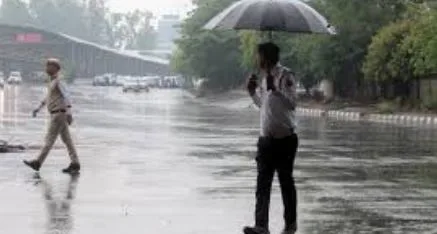
Weather experts have issued an orange alert for Chandigarh, Punjab, and Haryana due to expected storms and hail. Over the next two days, these areas will likely see heavy rain, lightning, and very strong winds. This sudden change in weather is caused by a system moving over the Himalayan mountains. People are being told to stay safe and prepare for messy conditions through Wednesday.
Main Impact
The biggest impact of this weather alert is the threat to the farming community. In Punjab and Haryana, wheat crops are currently standing in the fields and are almost ready to be cut. Heavy rain and hail can knock these plants down, making them very hard to harvest. Additionally, strong winds can cause the grain to fall off the stalks, leading to a loss of food and money for local farmers. If the grain gets too wet, it can also change color or grow mold, which means it cannot be sold at a good price in the markets.
Key Details
What Happened
The India Meteorological Department (IMD) released a special report warning of a "western disturbance." This is a type of weather pattern that brings moisture and wind from the sea toward North India. Because this system is very active right now, it is creating unstable air over Chandigarh and nearby states. On Tuesday, the rain is expected to be widespread, meaning it will fall in many places at once. By Wednesday, the rain will become scattered, hitting some spots while missing others.
Important Numbers and Facts
The weather report includes several important figures that show how strong the storm might be. Winds are expected to blow at speeds between 40 and 60 kilometers per hour. For comparison, these winds are strong enough to break small tree branches or move loose items outside. In the last 24 hours, Chandigarh saw a high temperature of 30.9 degrees Celsius, which is actually cooler than what is normal for this time of year. In Punjab and Haryana, the highest temperatures reached around 33.4 degrees Celsius before the clouds started moving in.
Background and Context
This time of year is very important for North India because it is the harvest season. Farmers have spent months growing wheat, which is a main food source for the whole country. Usually, the weather in April should be dry and sunny to help the crops dry out. When a western disturbance arrives, it brings cold air and moisture that clashes with the warm ground air. This clash creates thunderstorms and hail. Hail is especially dangerous because the ice pellets act like small stones falling from the sky, which can crush delicate plants in seconds.
Public or Industry Reaction
Farmers are very worried about their livelihoods. Many have already seen some damage from earlier rains this month, and this new storm could make things much worse. In response to these fears, the Chief Minister of Punjab, Bhagwant Mann, has taken action. He ordered a special survey called a "girdawari." This is a process where government officials visit farms to count how much crop has been lost. This information helps the government decide how much money to give farmers to help them recover from their losses. Meanwhile, people in the cities are being told to stay indoors and keep their pets and vehicles in safe spots.
What This Means Going Forward
After Wednesday, the weather is expected to clear up and stay dry for a while. This will give farmers a chance to get back into the fields. However, the immediate goal is to protect the grain that has already been cut. Much of this grain is sitting in open-air markets called "mandis." If these piles of grain are not covered with plastic sheets, they will get soaked. Going forward, the government may need to change its rules for buying grain to account for the moisture and damage caused by these unseasonal storms. People should keep checking weather updates on their phones or the radio until the orange alert ends.
Final Take
While rain can sometimes be a relief from the heat, this specific storm comes at a bad time for the region. The combination of high winds and hail poses a real risk to the economy and daily life. Staying informed and following safety tips is the best way to get through the next 48 hours safely.
Frequently Asked Questions
What does an orange alert mean?
An orange alert is a warning from weather officials that means you should be prepared. It is more serious than a yellow alert and suggests that bad weather could cause damage or travel problems.
How can I stay safe during the storm?
You should stay inside a sturdy building. Do not stand under trees because they can attract lightning or fall over. It is also a good idea to move loose items, like garden chairs or trash cans, inside so the wind does not blow them away.
Why is rain bad for the wheat crop right now?
Wheat needs to be dry before it is harvested. If it gets wet, the quality of the grain goes down. Also, heavy rain and wind can make the plants fall over, which makes it very difficult for machines to pick them up.