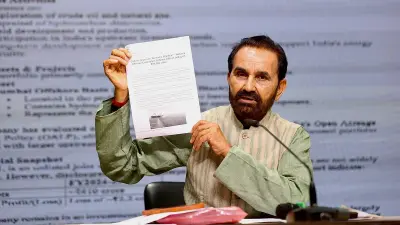


The Supreme Court has stepped in to protect law students at NALSAR University of Law after the Bar Council of India (BCI) moved against them for protesting the invitation of Chief Justice of India Surya Kant as chief guest at their convocation. The court called the BCI's intervention "unnecessary."
What Sparked the NALSAR Student Protest
The controversy began when graduating students from NALSAR's 2026 batch wrote to the university administration seeking reconsideration of the invitation to CJI Kant. According to National Herald, the students cited concerns over his remarks and response to allegations of police action against students protesting at Delhi's Jantar Mantar.
The students' letter triggered a strong reaction from the BCI. The council directed state bar councils not to enrol graduates from the 2026 batch. It also sought an inquiry into the conduct of students and faculty members, alleging that the protest might have been instigated by outside groups.
Supreme Court's Response to BCI Action
The Supreme Court made its position clear when the matter came before it. The court barred punitive action against students and faculty, describing the dispute as a dialogue between the CJI and the graduating batch.
According to Hindustan Times, the Supreme Court said students have the right to protest and the BCI has no business to stop them. The court's message was direct — the BCI's intervention was not needed in what should remain a matter between the CJI and the students.
"Between me and students": CJI Surya Kant slams Bar Council move against protesters — Hindustan Times
What the Court's Decision Means for Students
The Supreme Court's ruling protects NALSAR students and faculty from punitive action. The BCI's direction to state bar councils not to enrol graduates from the 2026 batch has been effectively neutralised by the court's intervention.
The court's framing of the issue is significant. By calling it a dialogue between the CJI and the graduating batch, the court has shifted the focus away from disciplinary action and toward communication and resolution.
- The Supreme Court criticised the BCI for acting against students who exercised their right to protest
- The court barred punitive action against both students and faculty members at NALSAR
- The dispute centred on students' concerns about CJI Kant's remarks regarding police action at Jantar Mantar protests
Our Take: Why This Ruling Matters
In our view, this ruling sends a clear message about the limits of regulatory power. The BCI overstepped its role when it tried to block students from enrolling as lawyers simply because they raised concerns about a convocation invitation. Protest is a legitimate form of expression, especially for law students who are learning about constitutional rights.
The Supreme Court's intervention protects an important principle — that students can question authority without fearing professional consequences. The BCI's attempt to punish the entire 2026 batch was disproportionate and, as the court noted, unnecessary.
This case also highlights a healthy sign — that the judiciary is willing to correct overreach even when it comes from bodies within the legal system itself. For the students at NALSAR, this ruling means their careers are safe. For the broader legal community, it is a reminder that the right to protest is not something that can be silenced by regulatory threats.