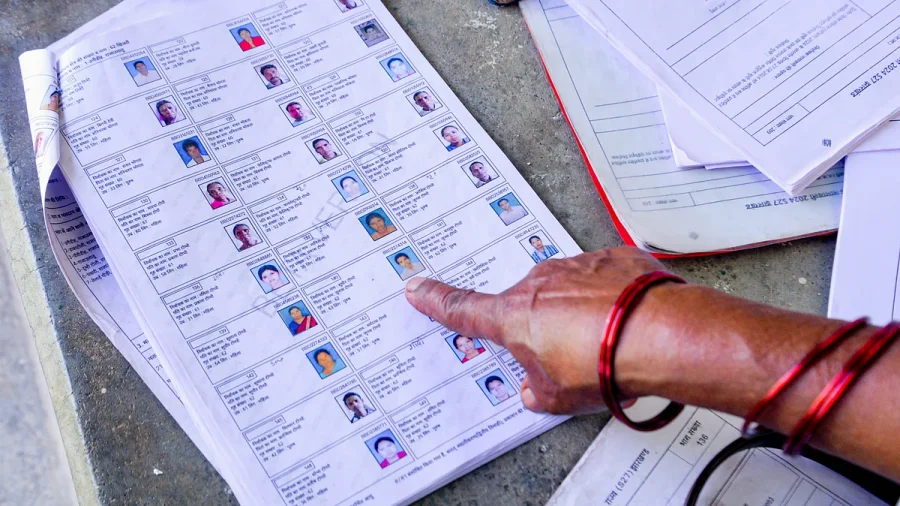

The Supreme Court has asked the Election Commission to provide details of appeals that have been decided and those still pending before tribunals set up to hear pleas against deletions from West Bengal's electoral rolls during the Special Intensive Revision (SIR).
Supreme Court seeks data on SIR deletion appeals in West Bengal
The court was hearing a plea filed by Congress leader Adhir Ranjan Chowdhury, who sought expeditious disposal of SIR-related cases before the appellate tribunals. According to Awaz The Voice, the bench comprising Chief Justice Surya Kant and Justices Joymalya Bagchi and V Mohana made the request on Tuesday.
The court's direction came as it examined how the deletion process was being handled. Justice Bagchi made the court's position clear during the hearing.
"You need to give us the quantum of disposals so far because just filing an appeal is not enough. What is happening to the appeal also has to be seen." — Justice Bagchi, ETV Bharat
What the court wants from the Election Commission
The bench sought details of cases that have been decided as well as those still pending before the appellate tribunals. The court also emphasised that its interest was not just in whether appeals were filed, but in whether they were actually being resolved.
According to ETV Bharat, the court's focus is on the actual progress of these appeals. The Election Commission now needs to provide a clear picture of how many cases have been disposed of and how many remain unresolved.
Why this matters for West Bengal voters
The SIR process involves a special revision of electoral rolls, and deletions from these rolls can affect a person's ability to vote. The court's request for data is aimed at ensuring that people who filed appeals against their deletion are getting a fair hearing.
The case was filed by Chowdhury, who has been pressing for faster resolution of these matters. The court's intervention suggests it wants to monitor the situation closely rather than simply accept that appeals have been filed.
Our Take: Accountability is the key issue here
To put it plainly, the Supreme Court is doing the right thing by asking for numbers. Filing an appeal means nothing if the appeal never gets heard. The court's message is simple — the Election Commission must show results, not just paperwork.
This matters because voter deletions are a serious issue. If people are removed from electoral rolls and their appeals sit unresolved, they lose their voice in elections. The court's demand for data is a step toward ensuring that the system works for ordinary voters, not against them.
The ball is now in the Election Commission's court. It must come back with clear numbers on how many appeals have been decided and how many are still waiting. That data will tell us whether the process is working or failing.