
Summary
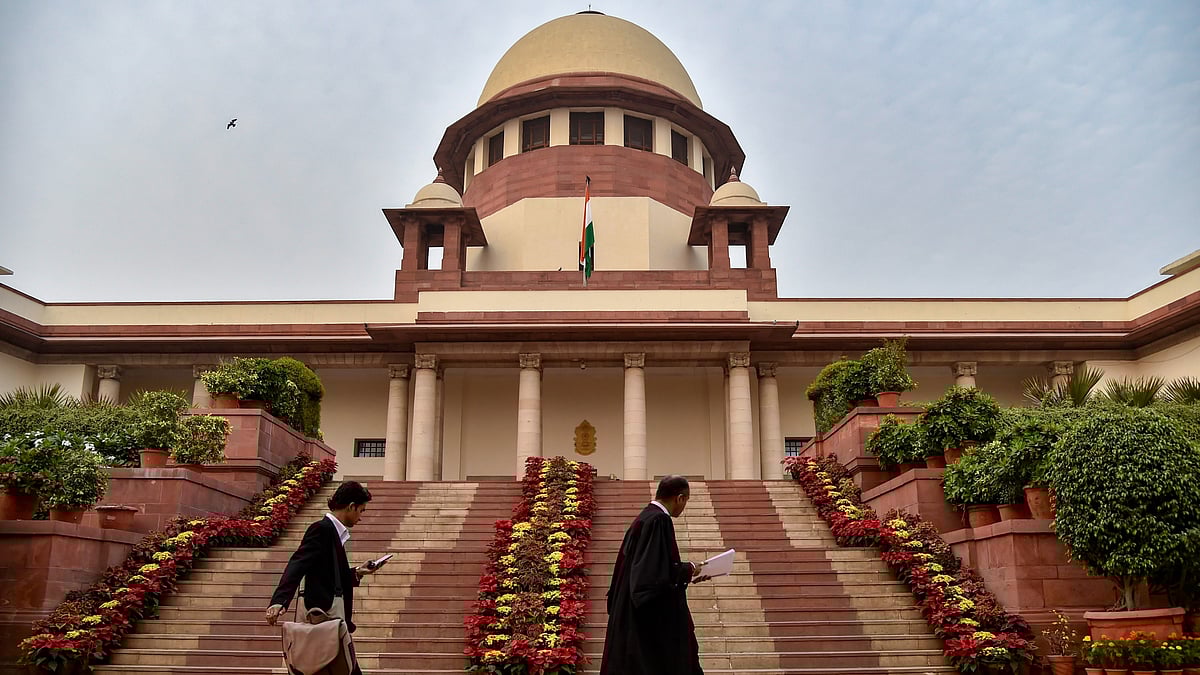
The Supreme Court of India recently shared important thoughts on who should be allowed to enter temples. A group of nine judges said that stopping people from entering a temple because they belong to a different group or sect could hurt Hinduism. They believe that every person should have the right to visit any public temple or religious center. The court warned that keeping people out based on their specific religious group creates a split in society and does not help the religion grow.
Main Impact
This discussion by the highest court in India could change how religious places are managed. If the court decides that all public temples must be open to everyone regardless of their specific sect, it will promote more equality. The judges are worried that if every small group within a religion starts making its own rules about who can enter, it will lead to more fighting and less unity. This case is not just about one temple; it is about how religious freedom and the right to equality work together in a modern country.
Key Details
What Happened
A nine-judge bench, led by Chief Justice Surya Kant, was listening to arguments about religious rights. During the talk, the judges made several oral comments. They were looking at whether a specific religious group has the right to manage its own affairs by keeping others out. Justice B. V. Nagarathna specifically said that if people say only their own group can attend a temple, it is bad for the faith. Another judge, Justice Aravind Kumar, agreed and said that these kinds of rules divide people instead of bringing them together.
Important Numbers and Facts
The court is looking at two main parts of the Indian Constitution. Article 25(2)(b) says the government can make laws to open Hindu temples to all sections of society. On the other hand, Article 26(b) says religious groups have the right to manage their own religious matters. The judges are trying to figure out which rule is more important when they clash. The court also looked back at a famous case from 1957 called the Venkataramana Devaru case. That old ruling said that while groups have some rights, the general public also has a right to enter temples.
Background and Context
In India, there have been many debates over the years about who can enter certain temples. Some temples have old traditions that stop women or people from certain groups from entering. The most famous recent example is the Sabarimala temple case. In that case, there was a big fight over whether women of a certain age could enter the temple. Because there were so many different opinions and legal questions, the Supreme Court decided to form this large nine-judge bench to settle the rules for everyone. They want to make sure the law is clear for all religions, not just for one temple or one faith.
Public or Industry Reaction
Lawyers representing different religious groups argued that their traditions are very old and should be protected. Senior advocate C. S. Vaidyanathan spoke for some devotees. He argued that if a temple belongs to a very specific sect, that sect should be allowed to decide its own rules. He agreed that public temples should be open to all, but he felt that "denominational" or sect-based temples are different. However, the judges seemed to disagree with this narrow view. They suggested that the state has the power to step in and make sure everyone is treated fairly at any place of worship that is open to the public.
What This Means Going Forward
The court is still hearing the case, so a final decision has not been made yet. However, the comments from the judges show that they are leaning toward more openness. If the final ruling says that no public temple can bar people based on their sect, it will be a major win for social reformers. It could also mean that many old traditions might have to change to follow the law. The court wants to find a way to respect religious traditions while also making sure that no one feels like an outsider in their own religion. The next steps will involve more legal arguments about what counts as a "public" temple versus a "private" one.
Final Take
The Supreme Court is sending a clear message that unity is more important than exclusive traditions. By focusing on the health of the religion as a whole, the judges are encouraging a more inclusive way of practicing faith. Religion should be a way to connect people, and the court believes that opening doors to everyone is the best way to keep a faith strong and vibrant in the modern world.
Frequently Asked Questions
Why is the Supreme Court talking about temple entry?
The court is trying to settle long-standing legal battles about whether religious groups can use their traditions to stop certain people from entering public places of worship.
What is the difference between Article 25 and Article 26?
Article 25 allows the government to ensure public temples are open to all people. Article 26 gives religious groups the right to manage their own internal religious affairs. The court is deciding which one takes priority.
Will this affect only Hindu temples?
While the current discussion focused on Hindu temples and sects, the final ruling by the nine-judge bench will likely set the standard for religious freedom and entry rights for all faiths in India.