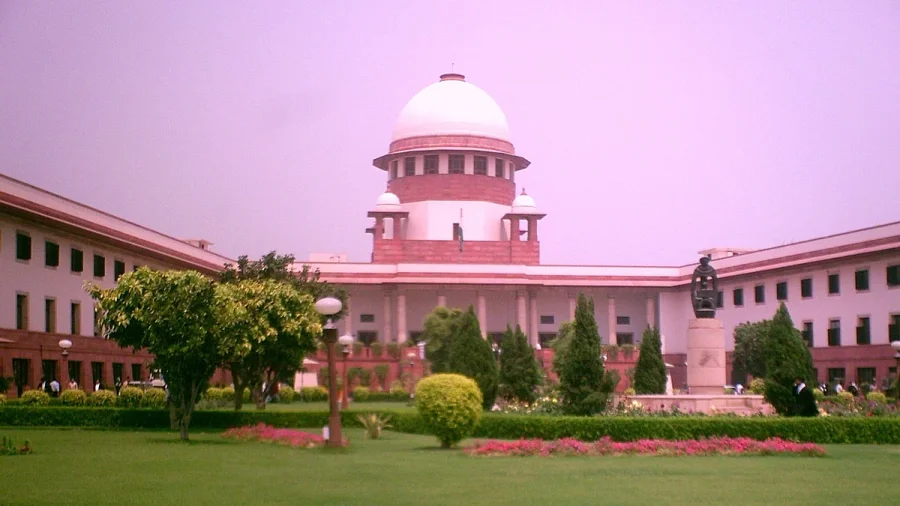

The Supreme Court has declined to step into a dispute over resolutions passed by the Supreme Court Bar Association (SCBA), stating it cannot interfere in the democratic functioning and internal affairs of the Bar body.
A bench headed by Chief Justice of India Surya Kant, along with Justices Joymalya Bagchi and V. Mohana, refused to entertain a plea that sought restrictions on the SCBA’s ability to pass resolutions independently.
Supreme Court’s Decision on Bar Association Internal Matters
The court made it clear that the matter fell within the association’s internal domain. Instead of intervening, the bench directed the petitioner to approach the SCBA election committee with his concerns.
The plea, filed by Ashish Gopal Garg, had challenged an SCBA resolution expressing solidarity with climate activist Sonam Wangchuk. The petitioner also sought directions to prevent the association from passing any such resolutions in the future.
What This Means for the Supreme Court Bar Association
The Supreme Court’s refusal to interfere reinforces the principle that professional bodies like the SCBA have the right to manage their own affairs through democratic processes. The court’s decision effectively upholds the autonomy of the Bar association in deciding what resolutions it passes.
By directing the petitioner to the election committee, the court has also indicated that internal disputes within the Bar body should first be resolved through the association’s own mechanisms rather than through judicial intervention.
Our Take: A Clear Message on Democratic Autonomy
In our view, this decision sends a strong message about the limits of judicial intervention in the internal workings of professional associations. The Supreme Court has rightly recognized that the SCBA, like any democratic body, must be free to express its views and pass resolutions without fear of court interference at every step.
To put it plainly, the court is saying that not every disagreement within a Bar association needs to become a legal battle. The petitioner may not agree with the SCBA’s resolution on Sonam Wangchuk, but the proper forum for that disagreement is the association’s own democratic process, not the Supreme Court.
This ruling also serves as a reminder that democratic bodies function best when their members resolve differences through internal mechanisms. The court’s decision protects the independence of the Bar association while still giving the petitioner a path forward through the election committee.
For lawyers and members of the Bar, this means the SCBA retains its freedom to take positions on public issues. For the petitioner, it means pursuing the matter through the channels the association itself has established.