
Business is finally moving past the era of the "tech bro" — the mythologized Silicon Valley builder, coder, and creator. Instead, leaders are learning to value what one executive calls "real people, real places."
According to Fortune, the big leadership story is that the entrepreneurs who profit from innovation are often not steeped in tech. And leaders like Cognizant CEO Ravi Kumar S are increasingly talking about the importance of the humanities grad in the era of AI.
Why the Tech Bro Myth Is Fading
For years, the image of the tech bro — the young, male coder from Silicon Valley — dominated business culture. But that is changing. Fortune reports that the builders, coders, and creators of Silicon Valley have done much to drive innovation, but the entrepreneurs who profit from it are often not steeped in tech.
This week, Fortune spoke with two political science grads who became successful business leaders, highlighting that a humanities background is increasingly valued in the AI era.
Steve Case: The Next Phase Is Vertical AI
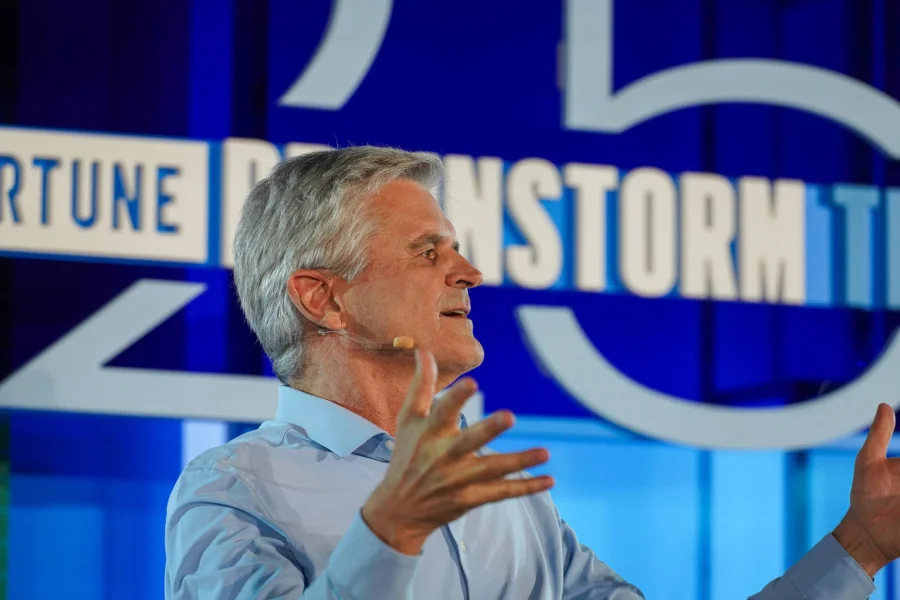
Steve Case, the co-founder of AOL, believes the next phase of business is not about generic tech but about "vertical AI" that can advantage companies in the middle of the country. These companies have domain expertise in healthcare, farming, or other sectors.
According to Fortune, Case is also moving aggressively into hospitality and real-estate. His reasoning is clear: "In an increasingly AI-centric world, people are going to value real people, real places."
What This Means for Business
This shift signals that the era of pure tech hype is giving way to a more grounded approach. Companies are recognizing that AI and automation are tools, not replacements for human expertise and local knowledge.
Businesses in the middle of the country — in sectors like healthcare, farming, and hospitality — are now seen as the next frontier for innovation. The focus is moving from coding in Silicon Valley to solving real-world problems with domain expertise.
Our Take: A Welcome Shift
In our view, this is a healthy correction. The tech bro era created a narrow definition of success — one that often ignored the value of humanities education, real-world experience, and local businesses. As AI becomes more powerful, the ability to understand people, places, and context will only become more important. Business is finally learning that the most valuable asset is not code — it is human judgment and real-world expertise.